
Celtic Languages: A Living Heritage
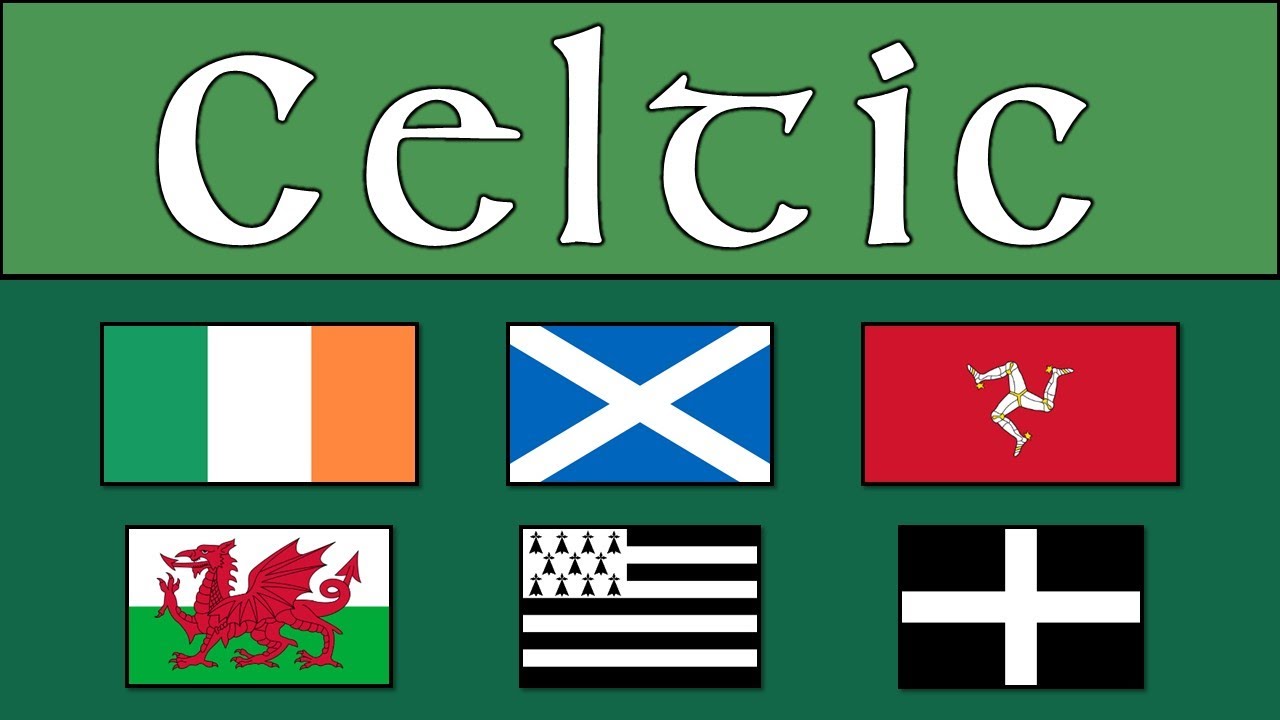
The term “Celtic language” refers not to one language, but to a family of languages with a shared ancient ancestry. Today, six Celtic languages are commonly recognised: Irish, Scottish Gaelic, Manx, Welsh, Breton and Cornish. They are spoken, taught and celebrated across parts of the British Isles and Brittany, in north-western France.
A family of languages
Celtic languages belong to the Indo-European language family, which also includes English, French, Hindi and many others. Linguists generally group them into two branches. The Goidelic languages are Irish, Scottish Gaelic and Manx. The Brittonic languages are Welsh, Breton and Cornish.
Although these languages share historical roots, they are distinct from one another. A speaker of Welsh, for example, would not automatically understand Irish. Each has its own vocabulary, pronunciation, grammar and literary traditions.
Where Celtic languages are spoken
Irish is spoken in Ireland, where it is the first official language, and is also an official language of the European Union. Scottish Gaelic is spoken mainly in Scotland, particularly in the Highlands and Islands, while Manx is associated with the Isle of Man.
Welsh is spoken in Wales and has official status there. Breton is spoken in Brittany, a region of France, and Cornish is associated with Cornwall. The number of speakers and the everyday use of each language vary, but all six have communities working to keep them strong.
From ancient languages to modern life
Celtic languages have a long history, but they are not simply relics of the past. They appear in contemporary music, literature, broadcasting, education and public life. Welsh and Irish have particularly visible roles in media and schooling, while language programmes and community initiatives support learning across the Celtic-speaking regions.
Some Celtic languages have faced periods of decline as political, economic and social pressures encouraged people to use dominant languages instead. In recent decades, revitalisation efforts have helped renew interest. These include bilingual education, adult classes, cultural events, digital resources and opportunities for children to grow up speaking the languages.
Why language preservation matters
A language carries more than words. It can preserve local knowledge, oral histories, place names, humour and distinctive ways of describing the world. Supporting Celtic languages helps communities pass on their heritage while also creating space for new writing, music and ideas.
Learning a Celtic language can be a way to connect with a particular place and its culture. It can also offer a fresh perspective on language itself: how sounds are organised, how meaning is expressed and how closely speech can be tied to identity.
A diverse and evolving heritage
The Celtic languages are varied, dynamic and closely connected to the communities that use them. Their histories reflect centuries of change, while their present-day revival shows that they continue to matter. Whether encountered through a song, a place name, a classroom or a conversation, each language offers a distinctive link to the past and a living part of the present.
9 Essential Tips for Mastering a Celtic Language
- Celtic languages form a family, not a single language.
- Choose one language, such as Welsh, Irish or Scottish Gaelic.
- Learn the sounds before tackling spelling rules.
- Practise common phrases aloud every day.
- Watch for initial consonant mutations in some languages.
- Use beginner materials made by native speakers.
- Listen to songs, radio or podcasts for natural speech.
- Learn a little grammar alongside useful vocabulary.
- Celebrate small wins and practise consistently.
Celtic languages form a family, not a single language.
Celtic languages form a family, not a single language. The family includes Irish, Scottish Gaelic, Manx, Welsh, Breton and Cornish, each with its own vocabulary, grammar and pronunciation. Although they share ancient roots, the languages are distinct, so speaking one does not necessarily mean you can understand the others.
Choose one language, such as Welsh, Irish or Scottish Gaelic.
Start by choosing one Celtic language to focus on, such as Welsh, Irish or Scottish Gaelic. Each has its own sounds, vocabulary and cultural history, so concentrating on one helps you build a strong foundation without feeling overwhelmed. Once you have learned some basic words and phrases, you can explore its music, stories and traditions—and decide whether you would like to discover another Celtic language later.
Learn the sounds before tackling spelling rules.
When learning a Celtic language, start by getting familiar with its sounds before tackling spelling rules. Irish, Scottish Gaelic, Welsh, Breton, Manx and Cornish each have pronunciation patterns that may be unfamiliar, and their spelling does not always match English expectations. Listening to native speakers, repeating short words and practising common sound combinations can help you build a strong foundation. Once the sounds feel more familiar, spelling rules are easier to understand and remember.
Practise common phrases aloud every day.
Practising common phrases aloud every day is a simple way to build confidence in a Celtic language. Start with useful greetings, introductions and everyday expressions, and repeat them slowly, paying attention to pronunciation and rhythm. Regular practice helps new words feel more familiar and makes it easier to use them naturally in conversation.
Watch for initial consonant mutations in some languages.
In several Celtic languages, the first consonant of a word can change depending on its grammatical context—a feature known as initial consonant mutation. For example, a word may take a different initial sound after certain prepositions, articles or possessive words. These changes are a normal part of the language, not irregular exceptions, so pay attention to the words and patterns that trigger them. Learning mutations alongside new vocabulary will make it easier to recognise words in context and form natural-sounding phrases.
Use beginner materials made by native speakers.
Choose beginner materials created by native speakers to build a more natural feel for pronunciation, everyday expressions and cultural context. Look for lessons, videos, podcasts or children’s resources produced by speakers of the Celtic language you are learning, and listen closely to how words are used in real situations. Pair these materials with a structured course or dictionary so you can check grammar and meaning as you progress.
Listen to songs, radio or podcasts for natural speech.
Listening to songs, radio programmes and podcasts is a great way to become familiar with the natural rhythm and sounds of a Celtic language. Choose material in Irish, Scottish Gaelic, Welsh, Breton, Manx or Cornish, and listen regularly—even if you do not understand every word at first. Repeating short sections, following lyrics or transcripts, and noticing familiar phrases can gradually improve your listening skills, pronunciation and vocabulary.
Learn a little grammar alongside useful vocabulary.
Learn a little grammar alongside useful vocabulary to make your Celtic language studies more practical. As you pick up everyday words and phrases, notice how they change in different contexts, such as how verbs are used or how nouns are affected by mutations. A small amount of grammar can help you build your own sentences, remember vocabulary more easily and understand how the language works in everyday conversation.
Celebrate small wins and practise consistently.
Celebrate every small win as you learn a Celtic language, whether you have mastered a new phrase, recognised a word in a song or managed a short conversation. Regular practice, even for just a few minutes each day, helps you build confidence and remember what you have learnt. Little by little, these steady efforts add up to real progress.