
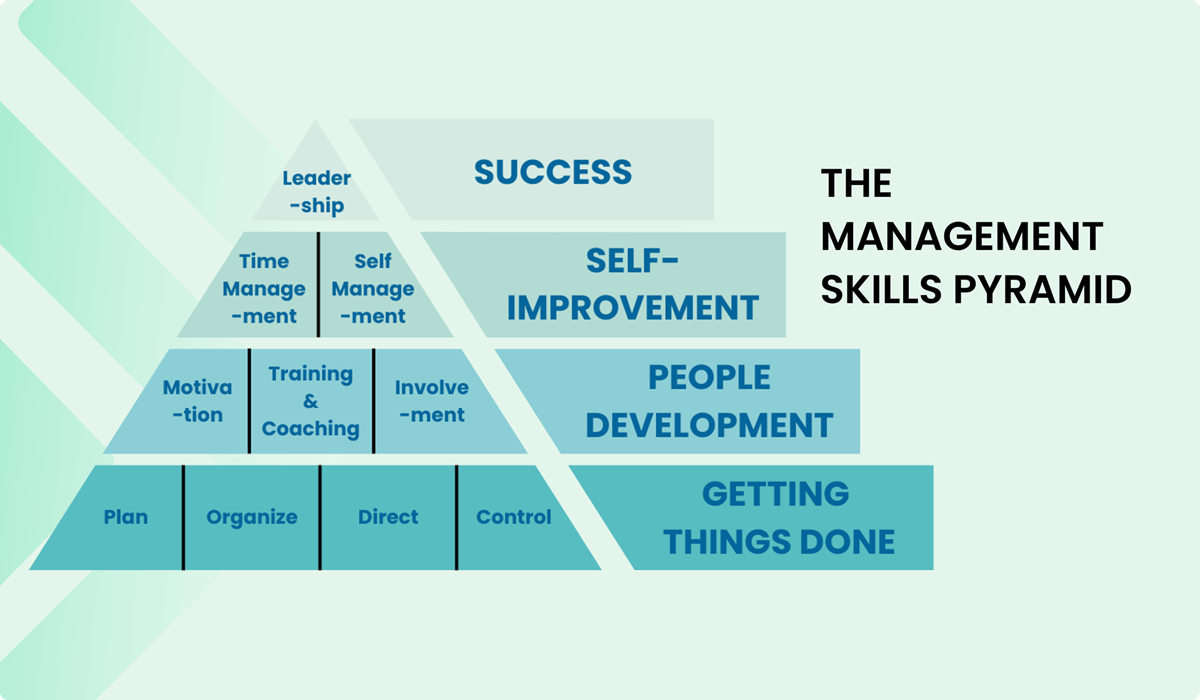
Essential Management Skills List for Success in Leadership Roles
Effective management is crucial for the success of any organisation. To excel in leadership roles, managers need to possess a diverse set of skills that enable them to lead, motivate, and inspire their teams. Here is a comprehensive list of key management skills that are essential for achieving success:
- Communication: Good communication skills are vital for managers to convey their ideas clearly, listen actively to their team members, and provide feedback effectively.
- Decision-making: Managers must be able to make informed decisions quickly, weighing the pros and cons of various options to achieve the best outcomes for their team and the organisation.
- Problem-solving: Strong problem-solving skills enable managers to identify issues, analyse root causes, and implement effective solutions to overcome challenges.
- Time management: Effective time management allows managers to prioritise tasks, meet deadlines, and ensure that projects are completed efficiently.
- Leadership: Exceptional leadership skills involve inspiring and motivating team members, setting clear goals, and providing guidance and support to help individuals reach their full potential.
- Adaptability: The ability to adapt to changing circumstances and navigate uncertainty is essential for managers to steer their teams through challenges and drive innovation.
- Critical thinking: Critical thinking skills enable managers to evaluate information objectively, make sound judgments, and develop strategic plans that align with organisational goals.
- Negotiation: Effective negotiation skills are crucial for managers when dealing with conflicts, reaching agreements with stakeholders, and securing resources for projects.
- Emotional intelligence: Managers with high emotional intelligence can understand and manage their emotions effectively, empathise with others’ feelings, and build strong relationships based on trust and respect.
In conclusion, mastering these essential management skills is key to excelling in leadership roles. By continuously developing these competencies through training, practice, and feedback, managers can enhance their effectiveness in leading teams towards success.
Understanding and Enhancing Management Skills: Key Questions and Insights
- What are management skills?
- Why are management skills important in the workplace?
- How can I improve my management skills?
- What are the key components of effective management?
- Which management skills are most sought after by employers?
- Can management skills be learned or developed over time?
What are management skills?
Management skills encompass a range of abilities and competencies that enable individuals in leadership roles to effectively oversee and guide teams towards achieving organisational goals. These skills include but are not limited to communication, decision-making, problem-solving, time management, leadership, adaptability, critical thinking, negotiation, and emotional intelligence. Managers with strong management skills can inspire and motivate their teams, make informed decisions, address challenges efficiently, and foster a positive work environment conducive to productivity and growth. By honing these essential skills through continuous learning and practice, managers can enhance their effectiveness in leading teams towards success.
Why are management skills important in the workplace?
Effective management skills are crucial in the workplace for several reasons. Firstly, strong management skills help to ensure that tasks and projects are completed efficiently and effectively, leading to increased productivity and overall success for the organisation. Additionally, managers with excellent leadership abilities can inspire and motivate their teams, fostering a positive work environment and encouraging employee engagement and satisfaction. Moreover, good management skills contribute to effective communication, decision-making, and problem-solving within the workplace, enabling teams to collaborate seamlessly and overcome challenges together. Ultimately, by possessing essential management skills, individuals can drive growth, innovation, and success within their organisations.
How can I improve my management skills?
To enhance your management skills, there are several strategies you can employ. Firstly, seek out opportunities for professional development, such as attending management training courses or workshops to acquire new knowledge and techniques. Additionally, consider seeking mentorship from experienced managers who can provide guidance and insights based on their own experiences. Practice active listening and effective communication with your team members to build trust and foster collaboration. Set clear goals and objectives for yourself and your team, regularly assess your performance, and be open to feedback for continuous improvement. Finally, stay informed about industry trends and best practices in management to adapt to the evolving business landscape effectively. By actively engaging in these activities, you can strengthen your management skills and become a more effective leader in your role.
What are the key components of effective management?
When exploring the question “What are the key components of effective management?” it becomes evident that several fundamental elements contribute to successful management practices. Communication stands out as a crucial component, enabling managers to convey expectations clearly, listen actively to their team members, and foster an environment of open dialogue. Additionally, strong leadership skills play a pivotal role in guiding and inspiring teams towards shared goals, while effective decision-making ensures that strategic choices align with organisational objectives. Furthermore, prioritising time management, problem-solving abilities, and adaptability are essential traits that empower managers to navigate challenges and drive positive outcomes within their teams and organisations. In essence, a combination of these key components forms the foundation for effective management practices that lead to sustained success.
Which management skills are most sought after by employers?
Employers often seek candidates who possess a combination of key management skills that are highly valued in the workplace. Some of the most sought-after management skills include strong communication abilities to effectively convey ideas and provide feedback, exceptional leadership qualities to inspire and motivate teams, solid decision-making capabilities to make informed choices, and excellent problem-solving skills to address challenges proactively. Employers also value candidates with good time management skills to prioritise tasks efficiently, adaptability to navigate changing environments, and emotional intelligence to build positive relationships with colleagues. By demonstrating proficiency in these sought-after management skills, candidates can enhance their employability and excel in leadership roles within organisations.
Can management skills be learned or developed over time?
The question of whether management skills can be learned or developed over time is a common one in the realm of leadership development. The consensus among experts is that while some individuals may naturally possess certain traits that lend themselves to effective management, such as communication or decision-making abilities, most management skills can indeed be acquired through learning and experience. By actively seeking out opportunities for growth, engaging in training programmes, soliciting feedback, and reflecting on past experiences, individuals can develop and refine their management skills over time. Continuous improvement and a growth mindset are key factors in the ongoing development of effective managers who can adapt to the ever-evolving demands of leadership roles.