
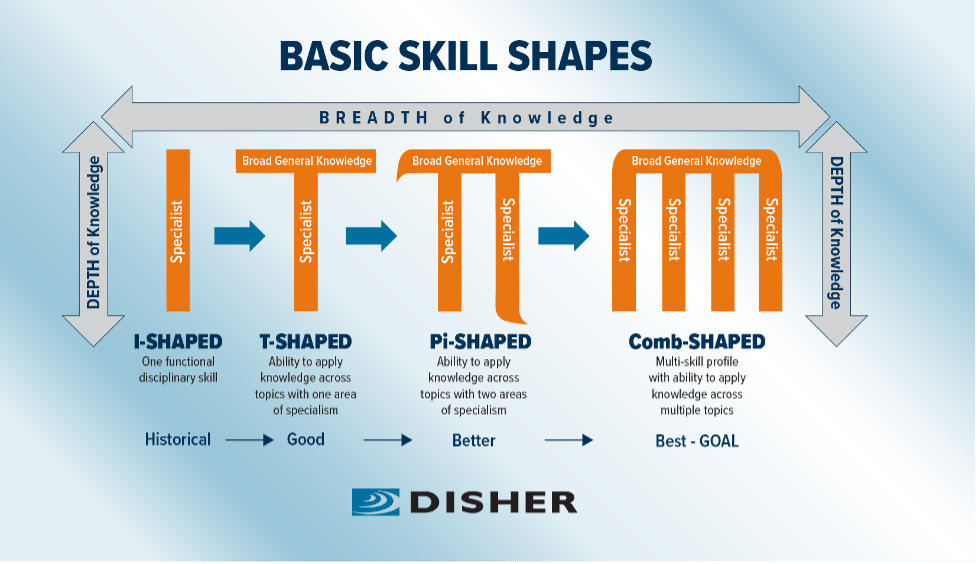
Basic Skills: The Building Blocks of Everyday Life
Basic skills are the abilities people use to manage everyday tasks, communicate with others and take part in work, learning and their communities. They may seem simple, but they form the foundation for more advanced knowledge and help people respond confidently to new situations.
What Are Basic Skills?
Basic skills are not limited to one subject or area of life. They include practical abilities that help us understand information, solve problems and work with other people. Some are learned at school, while others develop through experience at home, in the workplace or in the community.
Examples of Basic Skills
- Communication: listening carefully, expressing ideas clearly and adapting how you communicate to different people and situations.
- Literacy: reading, writing and understanding information in everyday documents, messages and instructions.
- Numeracy: using numbers to manage money, understand measurements, compare prices or interpret simple data.
- Digital skills: using devices, apps and online services safely and effectively.
- Problem-solving: recognising a challenge, considering possible options and choosing a sensible way forward.
- Time management: planning tasks, setting priorities and meeting deadlines.
- Teamwork: sharing responsibilities, respecting different viewpoints and working towards a common goal.
Why Do Basic Skills Matter?
Strong basic skills can make everyday activities easier, from filling in a form to planning a journey or managing a household budget. They also support learning and employment. For example, clear communication can help someone contribute to a team, while digital skills may make it easier to access services or complete work tasks.
These abilities are interconnected. Reading instructions involves literacy, but following them may also require concentration, numeracy or digital know-how. Developing one skill can therefore strengthen others.
How to Develop Basic Skills
Basic skills can be improved at any age. Start with a practical goal, such as writing clearer emails, becoming more confident with online forms or keeping track of weekly spending. Regular practice is often more effective than trying to learn everything at once.
- Read a range of everyday material, such as articles, instructions and letters.
- Practise writing short messages and check them for clarity.
- Use everyday tasks, such as shopping, to practise budgeting and mental arithmetic.
- Explore digital tools gradually, and ask for help when needed.
- Break larger tasks into smaller steps and review what worked afterwards.
- Look for courses, workshops or trusted learning resources in your community.
A Foundation for Lifelong Learning
Basic skills are not fixed abilities that people either have or lack. They grow with practice, support and experience. By building these foundations over time, people can approach everyday challenges with greater confidence and keep developing throughout their lives.
Essential Inquiries: Understanding and Identifying Basic Skills
- What is a basic skill?
- What are 5 basic skills?
- What are 10 basic life skills?
- What are examples of a basic skill?
- What basic skills should I know?
- What is a basic skill level?
- What are the 7 soft skills?
- What are the 5 skills to learn?
- What are 10 basic skills?
What is a basic skill?
A basic skill is an essential ability that helps you manage everyday tasks, communicate with others and take part in work, education and daily life. Examples include reading, writing, numeracy, communication, problem-solving and using digital devices. These skills provide a foundation for learning more complex abilities and can be developed at any age through practice and experience.
What are 5 basic skills?
Five basic skills are communication, literacy, numeracy, digital skills and problem-solving. Communication helps people share ideas and listen to others; literacy supports reading and writing; numeracy is useful for working with numbers in everyday situations; digital skills enable people to use technology safely and confidently; and problem-solving helps them assess challenges and find practical solutions. Together, these skills support daily life, learning and work.
What are 10 basic life skills?
Ten basic life skills include communication, decision-making, problem-solving, critical thinking, managing emotions, coping with stress, building relationships, self-awareness, time management and financial literacy. Together, these abilities help people handle everyday responsibilities, make informed choices and interact effectively with others. The skills people need most can vary depending on their circumstances, and many can be strengthened through practice and experience.
What are examples of a basic skill?
Examples of basic skills include reading, writing, numeracy, clear communication, problem-solving, time management and using digital devices safely. These abilities help with everyday tasks, such as understanding instructions, managing money, organising appointments and sharing information at work or at home.
What basic skills should I know?
The basic skills worth developing include communication, literacy, numeracy, digital confidence, problem-solving, time management and teamwork. Together, they help you understand information, express your ideas, manage everyday tasks and work effectively with others. Which skills matter most will depend on your goals, but you can build them gradually through regular practice in everyday situations.
What is a basic skill level?
A basic skill level means having the essential knowledge and ability to carry out simple, familiar tasks in a particular area, such as reading straightforward information, doing everyday calculations or using common digital tools. The exact standard depends on the skill and the situation; it generally indicates a foundation to build on, rather than advanced or specialist expertise.
What are the 7 soft skills?
The seven commonly recognised soft skills are communication, teamwork, problem-solving, adaptability, critical thinking, time management and leadership. These abilities help people work effectively with others, respond to change, make informed decisions and organise tasks. The exact list can vary, but practising these skills can support success in education, work and everyday life.
What are the 5 skills to learn?
The five skills worth learning are communication, problem-solving, digital literacy, financial literacy and time management. Communication helps you share ideas and listen effectively, while problem-solving enables you to assess challenges and find practical solutions. Digital literacy is essential for using technology safely and confidently; financial literacy helps you manage money and make informed decisions. Finally, time management makes it easier to set priorities, meet deadlines and balance responsibilities. These skills are useful in everyday life, education and the workplace, and can be developed through regular practice.
What are 10 basic skills?
Ten widely useful basic skills are communication, reading, writing, numeracy, digital literacy, problem-solving, critical thinking, teamwork, time management and adaptability. Together, they help people understand information, express ideas, manage everyday tasks and respond to change. The exact skills considered “basic” can vary depending on the context, but these provide a strong foundation for learning, work and daily life.