
How to Choose the Right SEO Agency for Your Business
When people search online for products, services or advice, appearing prominently in search results can help a business reach potential customers. Search engine optimisation (SEO) is the work involved in improving a website’s visibility in organic search results. For many organisations, partnering with an SEO agency is one way to plan and deliver that work.
Choosing an agency is an important decision. The right partner will take time to understand your business, explain its approach clearly and focus on sustainable improvements rather than quick fixes.
What does an SEO agency do?
An SEO agency helps businesses improve how their websites are discovered and understood by search engines and visitors. The work may include:
- SEO audits: Reviewing a website’s technical health, content and search visibility.
- Keyword and audience research: Identifying the topics and search terms that matter to potential customers.
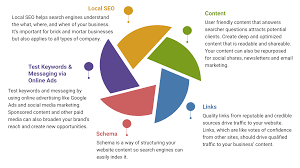
- Technical SEO: Addressing issues such as crawlability, site structure, page speed and mobile usability.
- Content strategy: Planning useful, relevant pages that answer visitors’ questions and support business goals.
- On-page optimisation: Improving page titles, headings, internal links and other elements.
- Digital PR and link earning: Helping a business build its reputation and attract relevant links from other websites.
- Measurement and reporting: Tracking progress and explaining what the data means.
The exact services required depend on the website, the market and the organisation’s objectives. A small local business may need a different plan from an online retailer or a national service provider.
Why work with an SEO agency?
SEO brings together technical, editorial and analytical skills. An agency can provide access to specialists and tools that may be difficult to maintain in-house. It can also offer an outside perspective on a website’s strengths, gaps and opportunities.
However, working with an agency is not a substitute for business knowledge. The most effective partnerships combine the agency’s search expertise with the client’s understanding of its customers, products and industry.
How to choose an SEO agency
Look for a clear, tailored approach
A good agency should ask about your customers, services, competitors and commercial priorities before recommending a plan. Be cautious of proposals that promise the same package to every business without explaining why it is suitable for your website.
Ask how success will be measured
Search rankings can be useful, but they are only one part of the picture. Reporting should connect SEO activity with meaningful outcomes, such as relevant organic traffic, enquiries, sales or other agreed goals. The agency should explain which measures it will use and why.
Expect honest communication
SEO takes time, and results depend on factors such as competition, website condition and the quality of implementation. No reputable agency can guarantee a particular ranking. Look for a partner that sets realistic expectations, shares progress regularly and is open about challenges.
Understand what is included
Before signing an agreement, clarify the scope of work, fees, reporting schedule and responsibilities on both sides. Find out who will make changes to the website, who owns any content created, and how the agency will work with your existing team.
Ask about methods and standards
SEO should focus on helping users find useful and trustworthy information. Ask how the agency approaches content, links and technical changes. Avoid providers that rely on deceptive tactics, automated link schemes or other shortcuts that could put a website’s reputation at risk.
What to expect from an SEO partnership
A typical engagement begins with discovery and an audit. The agency reviews the website and its existing performance, then prioritises improvements. These may include resolving technical problems, strengthening important pages, creating new content or improving the way related pages link to one another.
Implementation is often a shared effort. Some changes can be made by the agency, while others may require input from developers, writers or internal stakeholders. Regular communication helps keep work moving and ensures recommendations reflect the business’s expertise.
Progress should be reviewed over time. Organic search performance can fluctuate, and meaningful improvements rarely happen overnight. A useful report does more than present figures: it explains what has changed, what has been completed and what the next steps are.
Is an SEO agency right for your business?
An agency may be a good fit if your organisation has clear goals but needs additional expertise or capacity to improve its organic search performance. If you already have an in-house marketing team, an agency can provide specialist support for areas such as technical SEO, digital PR or strategy.
Before appointing a partner, make sure your business is ready to contribute. Access to website data, timely feedback and input from people who understand your customers can all help an SEO programme deliver better work.
Making a considered choice
The best SEO agency is not necessarily the largest or the one making the boldest promises. It is the partner that understands your objectives, explains its recommendations and works transparently towards long-term improvements.
Take time to compare proposals, ask practical questions and agree how success will be evaluated. With realistic expectations and a collaborative approach, SEO can become a valuable part of your wider digital marketing strategy.
8 Essential Tips for Selecting the Right SEO Agency
- Choose an SEO agency with proven results in your industry.
- Ask for clear goals, timelines and regular reports.
- Check how the agency measures organic traffic and leads.
- Look for ethical, long-term optimisation practices.
- Make sure the strategy fits your audience and budget.
- Ask who will manage your account and do the work.
- Review case studies and speak to past clients.
- Avoid agencies that promise instant rankings.
Choose an SEO agency with proven results in your industry.
Choose an SEO agency with proven results in your industry, as it is more likely to understand your audience, competitors and the search terms that matter to your business. Ask for relevant case studies or examples, and look beyond ranking improvements to see whether its work has helped generate meaningful results, such as qualified enquiries or sales. A strong agency should be able to explain what it did, why it worked and how its approach could be adapted to your goals.
Ask for clear goals, timelines and regular reports.
When choosing an SEO agency, ask for clear goals, realistic timelines and regular reports. Your goals should reflect your business priorities, such as attracting relevant visitors, generating enquiries or increasing sales—not simply improving rankings. SEO results take time, so a trustworthy agency will explain what it plans to do, when you can expect to see progress and which factors may affect the schedule. Regular reports should show what work has been completed, how performance is changing and what the next steps are, in language you can understand.
Check how the agency measures organic traffic and leads.
Check how the agency measures organic traffic and leads before you sign a contract. A reliable SEO agency should explain which tools and metrics it uses, how it distinguishes organic visitors from other sources, and how it tracks valuable actions such as enquiries, calls or sales. Ask for regular reports that connect search performance with your business goals, rather than focusing only on rankings or traffic volumes.
Look for ethical, long-term optimisation practices.
Choose an SEO agency that prioritises ethical, long-term optimisation over quick fixes. Look for a team that follows search engine guidelines, creates genuinely useful content and earns relevant links through credible methods. Avoid agencies that guarantee rankings or rely on tactics such as keyword stuffing and manipulative link schemes, which can put your website’s reputation at risk. Sustainable SEO takes time, so a trustworthy agency will set realistic expectations, explain its work clearly and focus on lasting improvements.
Make sure the strategy fits your audience and budget.
A good SEO strategy should reflect both your audience’s needs and your available budget. An experienced SEO agency will take time to understand how your customers search, what information they need and which channels are most likely to reach them, then prioritise work accordingly. Rather than promising quick results or recommending every possible service, the agency should explain what can realistically be achieved within your budget and suggest a clear plan that can grow as your business develops.
Ask who will manage your account and do the work.
Ask who will manage your account and carry out the work before choosing an SEO agency. The person leading sales may not be the specialist you work with day to day, so find out who your main contact will be, what experience they have and which team members will handle strategy, content and technical tasks. Clear responsibilities and regular communication help ensure your account receives the attention it needs.
Review case studies and speak to past clients.
Reviewing case studies and speaking to past clients can help you understand how an SEO agency works in practice. Look for examples relevant to your industry, business size or goals, and check whether the agency explains its strategy and results clearly. Ask past clients about communication, reliability and how well the work supported their objectives. Remember that results vary between businesses, so use testimonials and case studies as useful evidence rather than a guarantee of future performance.
Avoid agencies that promise instant rankings.
Be cautious of SEO agencies that promise instant rankings. Search engine visibility takes time to build, and results depend on factors such as your website’s current condition, competition and the work involved. No agency can guarantee a particular position in search results, so look for a provider that sets realistic expectations, explains its approach clearly and focuses on sustainable progress rather than quick fixes.