
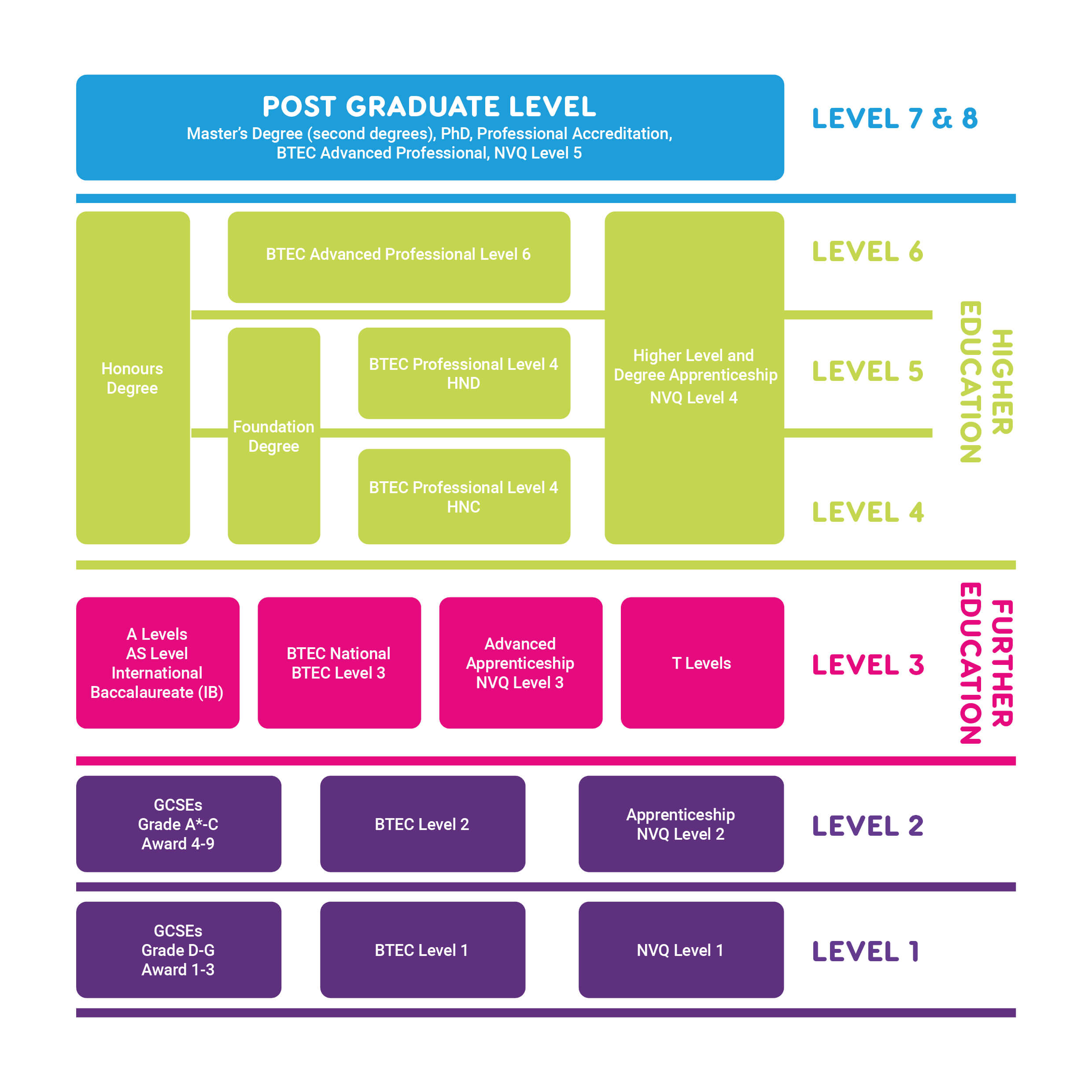
Further Education: Building Skills for the Future
Further education (FE) provides opportunities to continue learning after compulsory schooling. In the UK, it covers a wide range of courses and qualifications, from practical vocational training to academic study. Whether someone is preparing for their first job, changing careers or developing skills for personal interest, further education can offer a flexible route towards their goals.
What does further education include?
Further education is usually provided by colleges, sixth forms and independent training organisations. Courses may include A-levels, vocational qualifications, apprenticeships, access courses and adult learning programmes. Some learners study full-time, while others take evening classes, part-time courses or work-based training.
The term is used differently across the UK, and course structures and qualifications can vary between England, Scotland, Wales and Northern Ireland. It is therefore worth checking the details of a course in the relevant part of the country.
Why choose further education?
One of the main advantages of FE is choice. Learners can pursue subjects that match their interests and ambitions, from engineering and healthcare to creative arts, business and digital skills. Many courses combine classroom learning with practical experience, helping students develop knowledge they can apply in the workplace.
Further education can also be a stepping stone to higher education. Some qualifications provide a route to university, while access courses are designed to help adults prepare for degree-level study. For others, FE offers a direct path into employment or a chance to gain new skills while already working.
Learning at different stages of life
Further education is not only for school leavers. Adults may return to study to gain a recognised qualification, keep up with changes in their industry or explore a new career. Colleges and training providers often offer flexible options to help learners balance study with work and family commitments.
Apprenticeships are another option. They allow people to earn a wage while gaining practical experience and working towards a qualification. The balance between work and study depends on the programme and occupation.
Choosing the right course
Before enrolling, it helps to consider what you want to achieve. Check the course content, entry requirements, teaching arrangements and assessment methods. It is also useful to find out whether the qualification is recognised by employers or required for a particular profession.
Prospective students can contact colleges and training providers, attend open days and ask about learner support, work placements and progression opportunities. Costs and financial support vary, so check what is available locally and whether you may be eligible for assistance.
A worthwhile investment
Further education can help people gain confidence, widen their opportunities and adapt to a changing world of work. It does not follow a single path: learners can study for a qualification, train for a specific role or explore a subject simply because it interests them.
With clear goals and the right support, further education can be a practical and rewarding way to take the next step.
9 Essential Tips for Navigating Further Education Successfully
- Explore courses that match your goals.
- Check entry requirements early.
- Compare colleges, universities and training providers.
- Ask about fees, grants and student finance.
- Attend open days before applying.
- Plan study time around work and family.
- Use tutors and learning support when needed.
- Build practical skills alongside your studies.
- Review your progress and adjust your plans.
Explore courses that match your goals.
Take time to explore courses that match your goals, interests and experience. Think about what you hope to achieve—whether that is gaining a recognised qualification, developing skills for your current job, changing careers or preparing for further study. Compare course content, entry requirements, study options and progression opportunities, and contact providers if you need help choosing. Finding the right fit can make learning more relevant, rewarding and useful for your next step.
Check entry requirements early.
Check the entry requirements early, as courses may ask for specific qualifications, grades, work experience or evidence of English and maths skills. Finding out what you need well in advance gives you time to arrange any assessments, gather documents or complete a preparatory course. If anything is unclear, contact the college or training provider directly so you can make an informed choice and avoid missing an application deadline.
Compare colleges, universities and training providers.
Before choosing a course, compare colleges, universities and training providers to find the option that best suits your goals, budget and circumstances. Look at course content, teaching methods, entry requirements, fees, location and study flexibility, as well as the qualifications awarded and their recognition by employers. Open days and conversations with tutors or current students can also give you a clearer picture of the learning environment and the support available.
Ask about fees, grants and student finance.
Before enrolling, ask the college or training provider for a clear breakdown of course fees and any additional costs, such as materials, travel or exam charges. Check whether grants, bursaries or other support are available, and find out what student finance you may be eligible for. Funding rules can vary depending on where you live, your course and personal circumstances, so confirm the details with an official source before making a decision.
Attend open days before applying.
Attending open days before applying is a great way to find out whether a college or training provider is right for you. You can explore the facilities, meet tutors and current students, ask questions about course content and entry requirements, and get a feel for the learning environment. This first-hand insight can help you compare your options and make a more confident decision.
Plan study time around work and family.
Plan your study time around work and family commitments by choosing regular, realistic blocks of time for learning. Add classes, assignment deadlines and revision sessions to a weekly calendar, and let family members know when you need uninterrupted study time. Short, focused sessions can be easier to maintain than long stretches, especially during busy weeks. Leave some flexibility for unexpected changes, and remember to schedule breaks so you can keep your workload manageable.
Use tutors and learning support when needed.
Make the most of tutors and learning support whenever you need a hand. Asking questions, attending extra sessions or seeking help with study skills can make challenging topics easier to understand and help you stay on track. There’s no need to wait until you’re struggling: reaching out early is a positive step towards getting the most from your course.
Build practical skills alongside your studies.
Build practical skills alongside your studies by looking for opportunities to apply what you learn. Work placements, volunteering, part-time jobs, projects and apprenticeships can help you gain hands-on experience, strengthen communication and problem-solving skills, and understand how knowledge is used in the workplace. These experiences can also help you explore career options and give you examples to discuss with future employers.
Review your progress and adjust your plans.
Regularly reviewing your progress can help you make the most of further education. Take time to consider what you have learnt, which goals you have achieved and where you may need extra support. If your interests, circumstances or career plans change, adjust your study plan accordingly. Speaking with a tutor or careers adviser can help you explore your options and choose practical next steps.