
Good Interpersonal Skills: How to Build Better Relationships
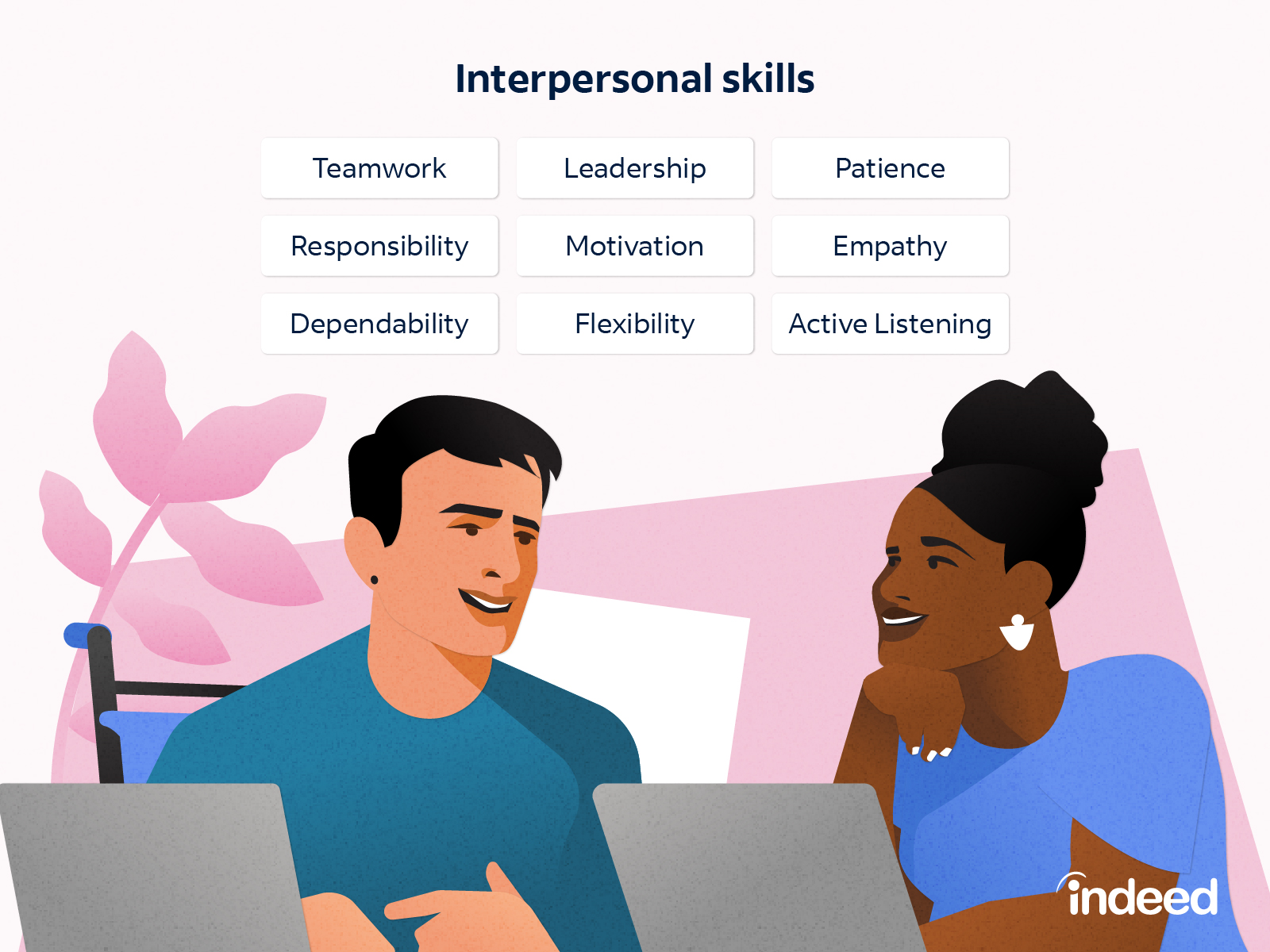
Good interpersonal skills help people communicate, work and connect with one another. They are useful in almost every area of life, from collaborating with colleagues to resolving disagreements with friends and family. While some people may find these skills come naturally, they can also be learned and improved with practice.
What are interpersonal skills?
Interpersonal skills are the abilities used to interact effectively with other people. They include the way someone communicates, listens, responds to different viewpoints and manages emotions. Strong interpersonal skills make it easier to build trust, work through challenges and create positive relationships.
Key interpersonal skills
Communication
Clear communication involves expressing thoughts in a way others can understand. It includes choosing suitable words, speaking respectfully and paying attention to tone and body language. Good communicators also check that their message has been understood rather than assuming it has.
Active listening
Listening is more than waiting for a turn to speak. Active listeners give the other person their attention, avoid interrupting and ask relevant questions. They also take time to understand what is being said before forming a response. This helps people feel heard and can prevent misunderstandings.
Empathy
Empathy means trying to understand another person’s feelings or point of view. It does not require agreeing with them; it means responding with consideration and recognising that their experience may differ from your own. Empathy can help strengthen relationships and make difficult conversations more constructive.
Respect and openness
Respectful people treat others with courtesy, value different perspectives and avoid dismissive behaviour. Being open-minded allows someone to consider new ideas without immediately judging them. These qualities are especially important when people have different backgrounds, priorities or ways of working.
Teamwork
Effective teamwork depends on cooperation, reliability and a willingness to contribute. Good team members share information, recognise the efforts of others and focus on shared goals. They can also offer feedback in a helpful way and accept feedback without becoming defensive.
Managing conflict
Disagreements are a normal part of relationships. Managing conflict well means staying calm, addressing the issue rather than attacking the person, and looking for a fair way forward. A constructive approach makes space for each person to explain their perspective and helps prevent small problems from growing.
How to improve interpersonal skills
- Pay attention to conversations: Notice how often you listen without interrupting and whether your responses show that you have understood.
- Ask thoughtful questions: Open questions can encourage others to explain their ideas and experiences.
- Be aware of non-verbal signals: Facial expressions, posture and tone of voice can affect how a message is received.
- Pause before reacting: Taking a moment to consider a response can help keep conversations calm and respectful.
- Invite feedback: Ask trusted people how your communication comes across, and consider their comments with an open mind.
- Practise regularly: Everyday conversations are opportunities to develop patience, confidence and understanding.
Why interpersonal skills matter
Strong interpersonal skills can support success at work, improve personal relationships and make everyday interactions more positive. They help people share ideas, respond to challenges and build trust. These skills are not about being outgoing or pleasing everyone; they are about communicating thoughtfully and treating others with consideration.
Good relationships develop through consistent actions. By listening carefully, speaking clearly and approaching differences with respect, anyone can strengthen their interpersonal skills over time.
7 Essential Tips for Enhancing Your Interpersonal Skills
- Listen actively without interrupting.
- Speak clearly and respectfully.
- Show empathy for others’ feelings.
- Be open to different viewpoints.
- Give constructive feedback kindly.
- Keep your promises and commitments.
- Handle disagreements calmly.
Listen actively without interrupting.
Listening actively without interrupting is a simple way to show respect and build trust. Give the other person your full attention, allow them to finish their thoughts and avoid planning your reply while they are speaking. When they have finished, respond to what they have said and ask a thoughtful question if anything needs clarification. This helps people feel heard and reduces the chance of misunderstandings.
Speak clearly and respectfully.
Speaking clearly and respectfully helps others understand your message and feel valued. Use simple, appropriate language, keep a calm tone and give people time to respond. Even when you disagree, focus on the issue rather than criticising the person, and choose words that encourage an open, constructive conversation.
Show empathy for others’ feelings.
Showing empathy for others’ feelings is an important interpersonal skill that helps build trust and understanding. Try to see a situation from the other person’s perspective, listen without interrupting and acknowledge how they feel, even if you see things differently. A thoughtful response, such as “That sounds difficult” or “I can understand why you feel that way”, can help someone feel heard and valued.
Be open to different viewpoints.
Being open to different viewpoints is an important interpersonal skill because it helps build understanding and respect. Listen carefully to what others have to say, even when their opinions differ from your own, and ask questions to understand how they reached their conclusions. You do not have to agree with everyone, but considering other perspectives can challenge assumptions, prevent misunderstandings and lead to more thoughtful conversations.
Give constructive feedback kindly.
Give constructive feedback kindly by focusing on the behaviour or task, rather than criticising the person. Be specific, explain the impact and, where possible, suggest a practical way forward. Choose a suitable moment, use a respectful tone and make space for the other person to respond. This helps your feedback feel supportive rather than personal, making it easier to understand and act on.
Keep your promises and commitments.
Keeping your promises and commitments is essential for building trust and maintaining strong relationships. When you do what you have agreed to do, others know they can rely on you and value your word. If circumstances change and you cannot meet a commitment, let the person know as soon as possible, explain honestly and agree on a practical alternative.
Handle disagreements calmly.
Handling disagreements calmly helps keep conversations respectful and focused on finding a solution. Take a moment to listen to the other person’s point of view, explain your own perspective without blaming or raising your voice, and concentrate on the issue rather than making it personal. If emotions start to run high, suggest taking a short break and returning to the discussion later.