
Essential Job Skills Examples for Career Success
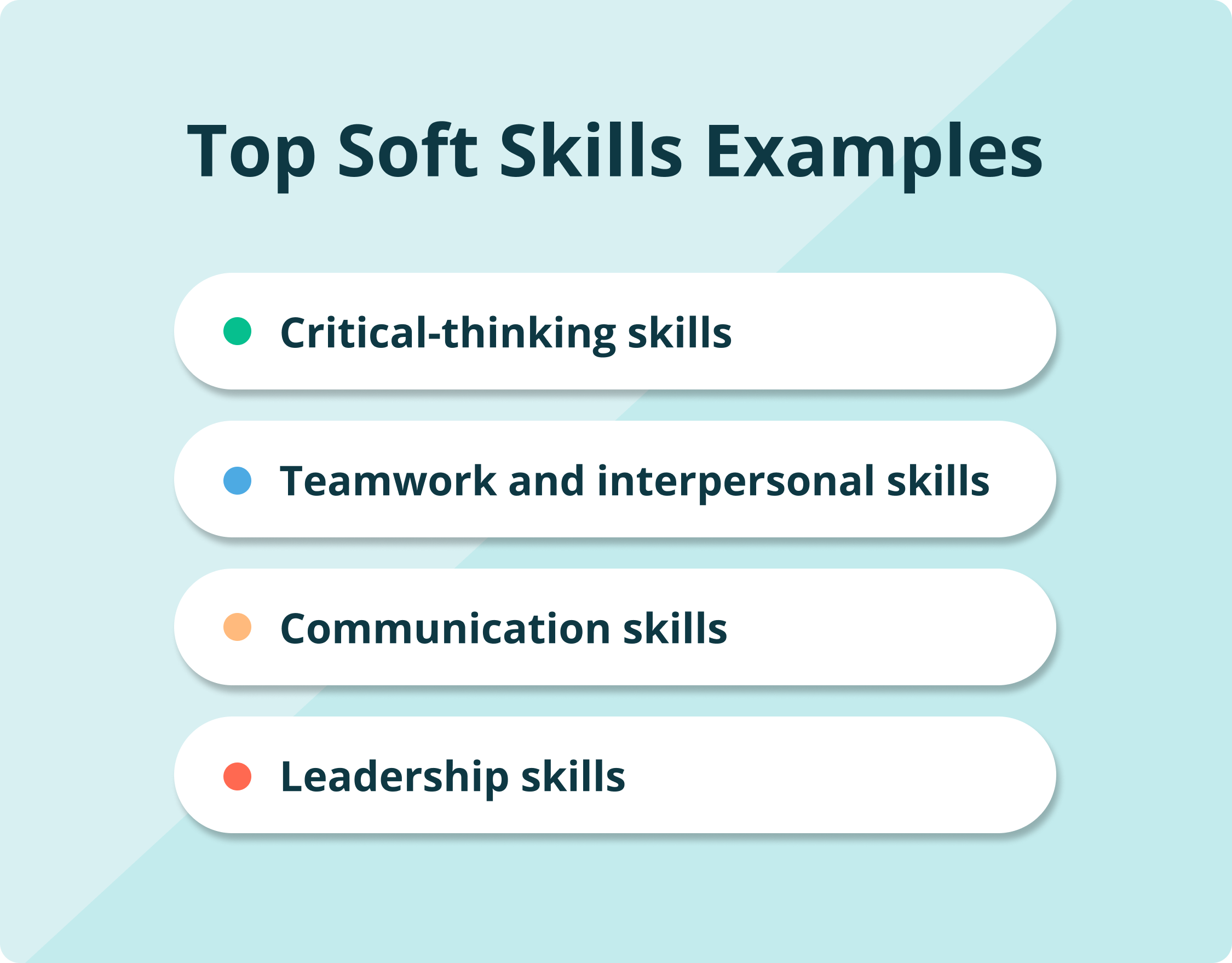
In today’s competitive job market, possessing the right skills can make all the difference in securing your dream job and advancing your career. Employers are not only looking for candidates with relevant qualifications but also those who demonstrate a range of essential job skills. Here are some key examples of job skills that can help you stand out:
Communication Skills
Effective communication is crucial in any workplace setting. Being able to convey information clearly, listen actively, and interact with colleagues and clients professionally are essential skills that employers value.
Leadership Skills
Demonstrating leadership qualities such as decision-making, problem-solving, and the ability to motivate and inspire others can set you apart as a valuable asset to any organisation.
Time Management Skills
The ability to prioritise tasks, meet deadlines, and manage your time efficiently shows employers that you are organised, reliable, and capable of handling multiple responsibilities.
Teamwork Skills
Collaboration is key in most workplaces. Being able to work effectively in a team, communicate openly, and contribute towards common goals demonstrates your ability to cooperate and achieve results collectively.
Problem-Solving Skills
Analytical thinking, creativity, and resourcefulness are valuable traits when it comes to solving complex problems or challenges that may arise in the workplace.
Adaptability
In today’s fast-paced world, being adaptable to change is essential. Employers value candidates who can quickly adjust to new situations, learn new skills, and thrive in evolving environments.
By honing these key job skills examples and showcasing them effectively on your CV or during interviews, you can increase your chances of landing your desired role and building a successful career path.
Essential Job Skills: Answers to Common Questions on Communication, Leadership, and More
- What are examples of communication skills needed in a job?
- How can I demonstrate leadership skills in the workplace?
- What are some effective time management skills for better productivity?
- How important are teamwork skills in a job setting?
- What strategies can I use to improve my problem-solving skills at work?
- Why is adaptability considered a valuable job skill?
- Can you provide examples of technical skills that are in demand?
- How can I develop and showcase transferable skills on my CV?
What are examples of communication skills needed in a job?
When considering examples of communication skills required in a job, it is essential to highlight various aspects that contribute to effective workplace communication. These may include the ability to articulate ideas clearly and concisely, active listening skills to understand colleagues and clients, adeptness in written communication for emails and reports, and proficiency in non-verbal communication such as body language and tone of voice. Moreover, interpersonal skills like empathy, conflict resolution, and negotiation are vital for fostering positive relationships within teams and with stakeholders. Demonstrating these communication skills not only enhances productivity and collaboration but also showcases one’s professionalism and suitability for the role.
How can I demonstrate leadership skills in the workplace?
To demonstrate leadership skills in the workplace, you can take proactive steps to showcase your abilities. One effective way is to volunteer for leadership roles or projects where you can take charge, make decisions, and guide a team towards a common goal. Additionally, actively participating in team discussions, offering innovative solutions, and mentoring colleagues are great ways to exhibit your leadership qualities. Leading by example, showing integrity, and being a reliable and supportive team member also highlight your capability to inspire and influence others positively. Remember, actions speak louder than words when it comes to demonstrating leadership skills in the workplace.
What are some effective time management skills for better productivity?
Effective time management skills are essential for boosting productivity in the workplace. Some key strategies include prioritising tasks based on deadlines and importance, breaking down large projects into smaller, manageable steps, setting realistic goals and timelines, minimising distractions, and using tools like calendars or task management apps to stay organised. By mastering these time management techniques, individuals can enhance their efficiency, meet deadlines consistently, and achieve better overall productivity in their professional endeavours.
How important are teamwork skills in a job setting?
Teamwork skills play a pivotal role in any job setting, serving as a cornerstone for successful collaboration and productivity within a team. The ability to work effectively with others, communicate openly, share ideas, and support colleagues not only fosters a positive work environment but also enhances overall performance. Employers highly value candidates who demonstrate strong teamwork skills as they contribute to the smooth functioning of projects, encourage innovation through diverse perspectives, and promote a sense of unity and camaraderie among team members. In today’s interconnected workplace, the importance of teamwork skills cannot be overstated, as they are essential for achieving collective goals and driving organisational success.
What strategies can I use to improve my problem-solving skills at work?
When seeking to enhance your problem-solving skills at work, there are several effective strategies you can employ. Firstly, practice critical thinking by analysing situations from different perspectives and considering various solutions before making decisions. Engage in brainstorming sessions with colleagues to generate innovative ideas and approaches to challenges. Additionally, seek feedback on your problem-solving processes to identify areas for improvement and learn from past experiences. Continuous learning through workshops, courses, or reading relevant literature can also expand your problem-solving toolkit. Embracing a proactive attitude towards problem-solving and remaining open to new methods and techniques will help you strengthen this essential skill in the workplace.
Why is adaptability considered a valuable job skill?
Adaptability is considered a valuable job skill because it enables individuals to navigate and thrive in an ever-changing work environment. In today’s dynamic and unpredictable business landscape, being adaptable allows employees to adjust quickly to new challenges, technologies, and ways of working. Those who demonstrate adaptability show resilience, flexibility, and a willingness to learn and grow, making them invaluable assets to organisations seeking to stay competitive and innovative. By embracing change with a positive attitude and the ability to pivot when needed, adaptable individuals can contribute effectively to team success and overall organisational resilience.
Can you provide examples of technical skills that are in demand?
In response to the frequently asked question about examples of technical skills that are in demand, it is important to highlight several key areas that employers are currently seeking. In today’s digital age, proficiency in programming languages such as Python, Java, and JavaScript is highly valued across various industries. Additionally, expertise in data analysis tools like SQL, Tableau, and Excel can significantly enhance one’s marketability. Knowledge of cloud computing platforms such as AWS or Azure, as well as cybersecurity skills, are also increasingly sought after in the ever-evolving job market. By acquiring and showcasing these in-demand technical skills, individuals can position themselves competitively and adapt to the changing needs of the workforce.
How can I develop and showcase transferable skills on my CV?
When it comes to developing and showcasing transferable skills on your CV, it’s essential to first identify the key skills that are relevant across different roles and industries. Start by assessing your own experiences, both in and outside of work, to pinpoint instances where you have demonstrated skills such as communication, teamwork, problem-solving, and adaptability. Once you have identified these transferable skills, highlight them in a dedicated skills section on your CV, providing specific examples of how you have applied them in various contexts. Additionally, consider tailoring your CV to align with the job description of the role you are applying for, emphasising the transferable skills that are most sought after by the employer. By effectively developing and showcasing your transferable skills on your CV, you can demonstrate your versatility and suitability for a wide range of positions.