
Technical Skills to Put on Your CV
Technical skills can help show employers that you have the practical abilities needed to do a job. They might include using software, analysing data, operating equipment, writing code or following technical procedures. The most useful skills to include are those that match the role and that you can demonstrate with examples.
Although “resume” is widely used internationally, employers in the UK more commonly refer to this document as a CV. The same principles apply: keep your skills relevant, specific and accurate.
What counts as a technical skill?
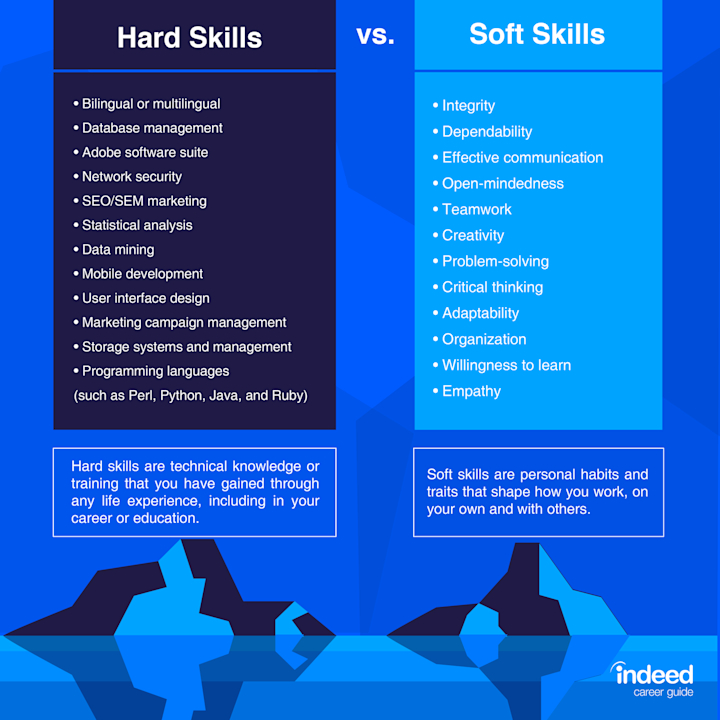
Technical skills are practical, teachable abilities used to complete particular tasks. They are sometimes called hard skills and are different from transferable skills such as communication, teamwork and adaptability. Many roles require a combination of both.
The technical skills that matter will depend on the job. A project manager may need experience with planning software, while an administrator may need confidence with spreadsheets and databases. A technician, meanwhile, may need to use specialist tools or follow safety procedures.
Examples of technical skills to include
Digital and office software
- Microsoft 365, including Excel, Word, PowerPoint and Outlook
- Google Workspace, including Sheets, Docs and Slides
- Customer relationship management (CRM) systems, such as Salesforce or HubSpot
- Accounting and bookkeeping software, such as Xero, Sage or QuickBooks
- Project management tools, such as Trello, Asana, Jira or Microsoft Project
- Content management systems, such as WordPress
Where possible, describe what you can do with a tool rather than simply naming it. For example, “Excel: pivot tables, lookup formulas and monthly reporting” gives a clearer picture than “Microsoft Office”.
Data and analytical skills
- Data entry, validation and quality checking
- Spreadsheet analysis and reporting
- Data visualisation using tools such as Power BI or Tableau
- SQL querying
- Statistical analysis using software such as R, Python or SPSS
- Preparing dashboards and interpreting performance metrics
Include the types of data or reports you have worked with if they are relevant, while taking care not to disclose confidential information.
IT, software and cybersecurity
- Installing, configuring and troubleshooting hardware or software
- Operating systems such as Windows, macOS or Linux
- Networking fundamentals and technical support
- Cloud platforms and services
- Access management, data protection and security awareness
- Backup, recovery and system monitoring
For technical IT roles, be precise about systems, platforms and technologies you have used. Avoid suggesting expert-level knowledge if your experience is introductory.
Programming and web development
- Programming languages such as Python, Java, JavaScript, C# or PHP
- HTML and CSS
- Version control with Git
- Software testing and debugging
- Database design and management
- API integration and web application development
You could also mention a portfolio, GitHub profile or relevant project, provided it is up to date and appropriate for employers to view.
Design, media and content production
- Adobe Creative Cloud applications, such as Photoshop, Illustrator or InDesign
- Video and audio editing
- Digital illustration and image preparation
- Prototyping and interface design tools, such as Figma
- SEO tools, analytics platforms and email marketing software
- Accessibility checks and web content publishing
Engineering, manufacturing and trades
- CAD software, technical drawing and 3D modelling
- Operating or maintaining machinery and specialist equipment
- Quality assurance, inspection and fault diagnosis
- Reading technical specifications and schematics
- Stock control and production systems
- Health and safety procedures, including relevant licences or certificates
Role-specific systems and procedures
Some technical skills are closely tied to a particular industry. These may include electronic health record systems, point-of-sale systems, laboratory techniques, logistics platforms, building information modelling (BIM), or regulatory and compliance processes. Use the terminology in the job advert where it accurately reflects your experience.
How to choose which skills to include
- Read the job description carefully. Note the software, equipment, methods and qualifications the employer asks for.
- Prioritise relevant skills. Put the most important and current abilities first rather than listing every tool you have ever used.
- Be specific. Name the programme, platform, equipment or method, and describe what you can do with it.
- Represent your level honestly. You might use terms such as “basic”, “working knowledge”, “proficient” or “advanced”, but be ready to explain what they mean in practice.
- Support claims with evidence. Connect technical skills to achievements, projects or responsibilities elsewhere in your CV.
How to present technical skills on your CV
You can add a short technical-skills section near the top of your CV, particularly if the role depends on specific tools or qualifications. Grouping related skills makes the section easier to scan:
Data: Excel (pivot tables, lookup formulas), Power BI (dashboards), SQL (basic queries)
Project tools: Jira, Trello
Reporting: Monthly performance reports, data validation
For some roles, it is more effective to show skills within your work history. This demonstrates how you used them and what the result was:
Created Excel dashboards to track weekly service performance, reducing the time needed to prepare reports.
Use measurable results when you can substantiate them. If you cannot, explain the scope or purpose of the work instead.
Common mistakes to avoid
- Listing too many unrelated tools: A long list can make your strongest skills harder to spot.
- Using vague descriptions: “Good IT skills” says little about what you can actually do.
- Overstating proficiency: Interviewers may ask you to demonstrate a skill, so describe your ability honestly.
- Including outdated technologies without context: Keep older skills only when they are relevant to the vacancy.
- Repeating keywords without evidence: Use relevant terms naturally and back them up with examples.
- Forgetting qualifications or licences: Include relevant certificates and note whether they are current where appropriate.
Final checklist
Before sending your CV, check that every technical skill is relevant to the role, described clearly and supported by genuine experience. Tailor the wording to the vacancy, keep the section easy to scan and make sure you could confidently discuss each item at interview.
A focused, evidence-based skills section is more persuasive than a long list. It helps employers quickly understand what you can do and how your experience could contribute to their organisation.
Technical Skills for Your CV: 9 Frequently Asked Questions
- What are 10 technical skills?
- What skills should I put on my CV?
- What are top 3 tech skills?
- What is an example of a technical skill on a resume?
- What technical skills can be added in resume?
- How do I list technical skills on a resume?
- What are 10 good skills to include on a resume?
- What are your top five technical skills?
- Do you put technical skills on a CV?
What are 10 technical skills?
Ten examples of technical skills to include on a CV are data analysis, spreadsheet software such as Excel, programming, web development, database management, cybersecurity, cloud computing, graphic design software, project management tools and operating specialist equipment. The most relevant skills depend on the role, so focus on those requested in the job advert and describe your level of experience accurately. Where possible, give a brief example of how you have used each skill.
What skills should I put on my CV?
The skills to include on your CV should match the job you’re applying for. Start by checking the job description, then highlight relevant technical abilities—such as software, equipment, systems or methods you can use—and transferable skills, such as communication, organisation and problem-solving. Be specific about your level of experience and, where possible, support each skill with an example from your work, studies or projects. Keep the list focused, accurate and easy to scan.
What are top 3 tech skills?
The top three technical skills to include on your CV depend on the role, but digital literacy, data analysis and proficiency with relevant software are useful across many industries. Digital literacy covers using computers and online tools confidently; data analysis includes interpreting information and working with spreadsheets or reporting tools; and software proficiency means knowing the specific programmes, platforms or equipment needed for the job. Tailor your choices to the job description, name the tools you can use and be ready to give examples of how you have applied them.
What is an example of a technical skill on a resume?
An example of a technical skill to include on your CV is data analysis using Microsoft Excel. Rather than simply listing “Excel”, be specific about what you can do, such as creating pivot tables, using formulas to analyse data and preparing reports. You can make the skill more convincing by showing how you used it in a previous role or project—for example, to track performance or produce accurate reports more efficiently.
What technical skills can be added in resume?
Technical skills to include on your CV depend on the role you’re applying for. Common examples include proficiency with Microsoft 365 or Google Workspace, spreadsheet and data analysis, CRM or accounting software, project management tools, programming languages, web development, graphic design, cybersecurity, and operating specialist equipment. Choose skills that are relevant to the job description, name specific tools where possible, and describe your level honestly. For example, instead of writing “good computer skills”, you could say “Excel: pivot tables and lookup formulas”. Back up important skills with examples from your work, studies or projects.
How do I list technical skills on a resume?
List technical skills in a dedicated section near the top of your CV, grouping related tools and abilities under clear headings such as “Software”, “Data” or “Programming”. Tailor the list to the job advert, put the most relevant skills first and describe your level accurately. Be specific—for example, write “Excel: pivot tables and lookup formulas” rather than “good computer skills”. Where possible, reinforce key skills with examples in your work history, showing how you used them and what you achieved.
What are 10 good skills to include on a resume?
Ten useful skills to include on a CV are communication, teamwork, problem-solving, adaptability, time management, attention to detail, customer service, project management, data analysis and digital literacy. The best choices depend on the role, so prioritise the skills mentioned in the job advert and support them with examples from your work, studies or volunteering. For technical positions, name specific tools, software, systems or methods you can use, and describe your level honestly.
What are your top five technical skills?
Your top five technical skills should reflect the role you are applying for, rather than a one-size-fits-all list. Common examples include proficiency with relevant workplace software, data analysis, using industry-specific systems or equipment, troubleshooting technical problems, and handling information securely. Name the tools or methods you know, describe your level honestly, and prioritise skills you can support with examples from your work, studies or projects.
Do you put technical skills on a CV?
Yes, you should include technical skills on your CV when they are relevant to the role. Add a concise skills section highlighting the software, tools, equipment or specialist methods you can use, prioritising those mentioned in the job advert. Where possible, show how you have applied these skills in your work experience or projects, and describe your ability honestly.