
Financial Management Skills: A Practical Guide
Financial management skills help people make informed decisions about earning, spending, saving and borrowing money. They are useful at every stage of life, whether you are managing a household budget, planning for a major purchase or preparing for retirement. With a few reliable habits, it becomes easier to stay in control of your finances and work towards your goals.
Build a realistic budget
A budget is a plan for how you will use your money. Start by recording your income and regular outgoings, including rent or mortgage payments, bills, travel, food and debt repayments. Then account for less frequent costs, such as annual insurance premiums, car maintenance and seasonal expenses.
Compare your spending with your take-home income. If your outgoings are higher, look for costs you can reduce or consider ways to increase your income. A budget should be realistic: a plan that leaves no room for occasional treats or unexpected costs can be difficult to maintain.
Track spending
Knowing where your money goes is an important part of managing it well. Review bank and card statements regularly, or use a spreadsheet or budgeting tool to categorise purchases. Small, frequent expenses can add up, so tracking them may reveal opportunities to save.
It can help to set a routine, such as checking your transactions once a week. This also makes it easier to spot mistakes or unfamiliar payments promptly.
Set clear financial goals
Goals give your financial decisions direction. You might want to save for a holiday, pay off a credit card, build a deposit for a home or prepare for retirement. Make each goal specific and estimate how much you will need and when you hope to reach it.
Breaking a large target into smaller monthly amounts can make it feel more manageable. Keep short-term savings separate from everyday spending where practical, so the money is less tempting to use for other purposes.
Save for emergencies
An emergency fund can help cover unexpected expenses, such as a broken appliance, urgent travel or a period without work. Begin with an amount that feels achievable and add to it regularly. Over time, you may aim to build savings that could cover several months of essential costs, depending on your circumstances.
Keep this money accessible, but separate from your current account if that helps you avoid dipping into it for everyday spending. The right balance between access and interest will depend on your needs and the account’s terms.
Manage debt carefully
Borrowing can be useful, but it has a cost. Before taking out credit, check the interest rate, fees, repayment schedule and total amount repayable. Make sure the repayments fit your budget, including if your circumstances change.
If you already have several debts, list their balances, interest rates and minimum payments. Paying at least the required amount on each debt helps avoid missed-payment charges. You could then focus additional payments on the debt with the highest interest rate, while continuing to meet the minimums on the others. If repayments are becoming difficult, seek free, impartial debt advice as early as possible.
Understand financial products
Financial products can differ widely, even when they appear similar. Read the terms before opening an account, taking out a loan or choosing an insurance policy. Pay attention to interest rates, charges, access restrictions, exclusions and what happens if you miss a payment.
For significant decisions, compare providers and use trustworthy, independent sources of information. Do not feel pressured to agree to a product you do not understand.
Plan for the future
Long-term planning includes considering pensions, major life changes and the financial support your family may need. If you are employed, check whether you are enrolled in a workplace pension and understand how contributions work. Review your plans when your income, household or priorities change.
Investing may be appropriate for some long-term goals, but investments can fall as well as rise in value. Consider your time frame, attitude to risk and ability to cope with losses. For complex decisions, you may wish to consult a suitably qualified financial adviser.
Make financial reviews a habit
Financial management is not a one-off task. Review your budget, savings and debts regularly, and update your plans after major changes such as moving home, changing jobs or starting a family. A brief monthly review can help you notice problems early and recognise progress.
Small habits, lasting benefits
Strong financial management is built through consistent choices rather than complicated techniques. Budgeting, tracking spending, saving regularly and understanding borrowing can help you feel more prepared and make better-informed decisions. Start with one practical change, build on it over time, and adjust your approach as your circumstances evolve.
Financial Management Skills: 9 Frequently Asked Questions
- What are financial management skills?
- Why are financial management skills important?
- How can I create a personal budget?
- How can I track my spending effectively?
- How much should I save for emergencies?
- How can I manage debt and pay it off faster?
- How can I set and achieve financial goals?
- What financial skills can help me make better decisions about borrowing and saving?
- How often should I review my finances?
What are financial management skills?
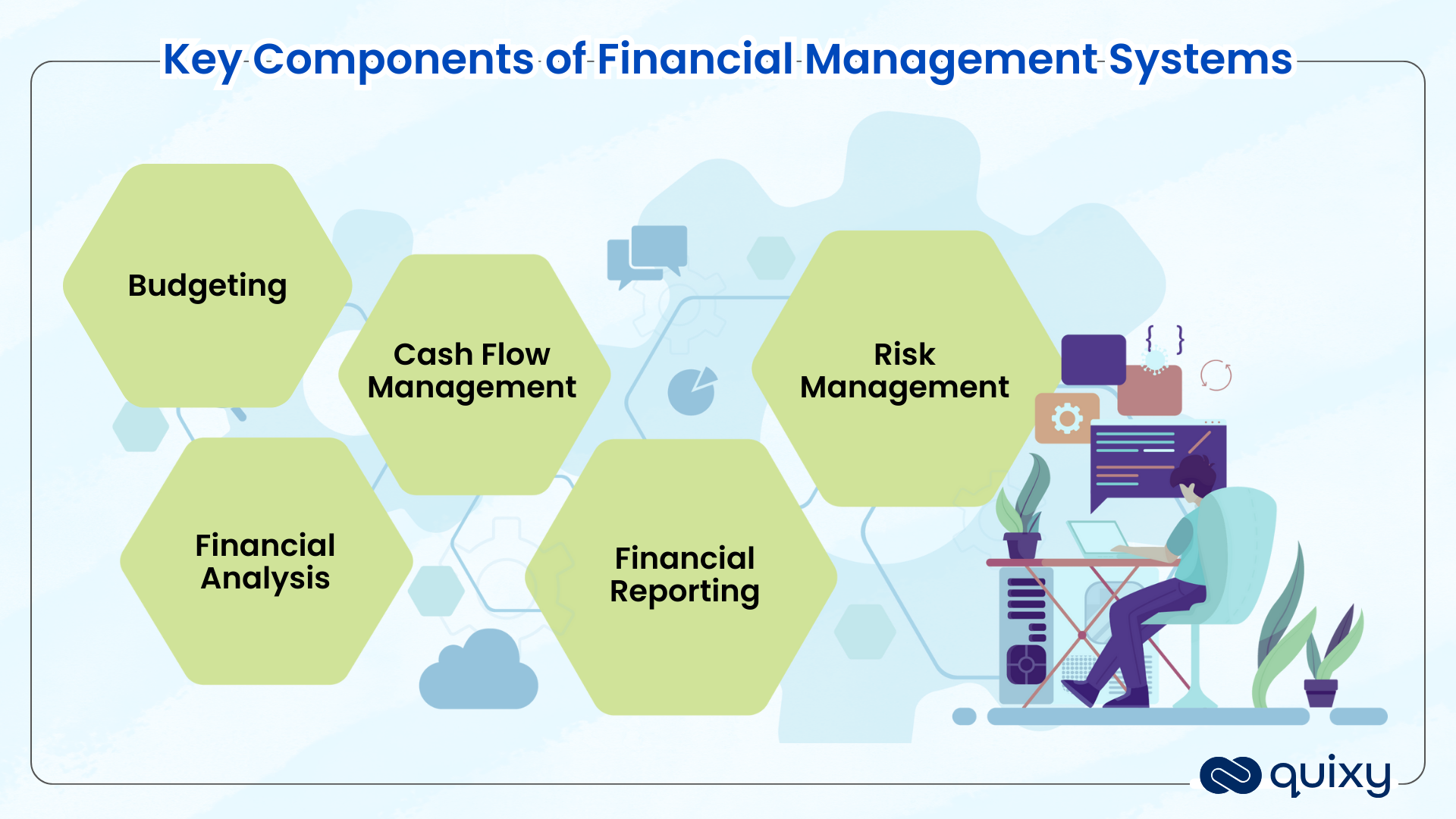
Financial management skills are the abilities needed to plan and manage money effectively. They include budgeting, tracking spending, saving for goals and emergencies, managing debt, understanding financial products and making informed decisions about future needs. These skills can help individuals and households stay within their means, prepare for unexpected costs and work towards greater financial security.
Why are financial management skills important?
Financial management skills are important because they help you make informed decisions about your money, plan for future needs and manage day-to-day expenses. By budgeting, saving and understanding debt, you can prepare for unexpected costs, work towards financial goals and reduce the risk of money worries. These skills also make it easier to compare financial products and choose options that suit your circumstances.
How can I create a personal budget?
To create a personal budget, start by calculating your monthly take-home income and listing your regular outgoings, such as housing, bills, food, travel and debt repayments. Include occasional costs, like annual insurance or car repairs, by setting aside a monthly amount for them. Compare your spending with your income, then decide how much you can put towards savings and personal goals. Track your spending and review the budget regularly, adjusting it when your circumstances change. A realistic budget should cover essentials while leaving some room for unexpected costs and enjoyment.
How can I track my spending effectively?
Track your spending by recording every purchase and bill for at least a month, using a budgeting app, spreadsheet or simple notebook. Group expenses into categories such as housing, food, travel and subscriptions, then compare the totals with your budget and income. Review your bank statements regularly to catch forgotten payments or unfamiliar transactions, and look for small, recurring costs that could be reduced. A brief weekly check-in can help you stay on track and adjust your budget as your circumstances change.
How much should I save for emergencies?
A useful emergency fund is often enough to cover three to six months of essential living costs, such as housing, food, utilities and minimum debt repayments. The right amount depends on your circumstances: if your income is irregular or others rely on you financially, you may want to aim for more. If that target feels out of reach, start with a smaller amount and build it gradually, keeping the money somewhere safe and easy to access.
How can I manage debt and pay it off faster?
To manage debt and pay it off faster, list each balance, interest rate and minimum payment, then make a realistic budget to see how much extra you can afford to repay each month. Keep up with at least the minimum payments on every debt, and put any extra towards the debt with the highest interest rate first; once it is cleared, redirect that payment to the next one. Check whether a balance transfer or refinancing could reduce interest, but compare fees and terms carefully. Avoid taking on new debt where possible, and contact your lenders or a free, impartial debt-advice service if repayments are becoming difficult.
How can I set and achieve financial goals?
To set and achieve financial goals, start by defining what you want to accomplish, how much it will cost and when you hope to reach it. Make the goal specific and realistic, then break the total into manageable weekly or monthly amounts. Review your budget to find room for regular contributions, and consider keeping savings separate from your everyday spending. Track your progress and adjust the plan if your income or circumstances change. For larger or longer-term goals, such as buying a home or preparing for retirement, compare suitable options carefully and seek independent advice if needed.
What financial skills can help me make better decisions about borrowing and saving?
Financial skills that support better borrowing and saving decisions include budgeting, comparing interest rates and understanding the total cost of credit. Before borrowing, check the fees, repayment terms and whether the repayments fit comfortably within your budget. For saving, set clear goals, put money aside regularly and compare accounts for interest rates, charges and access restrictions. Tracking your spending and reviewing your finances regularly can also help you spot opportunities to save and avoid taking on debt you may struggle to repay.
How often should I review my finances?
Review your finances at least once a month to check your spending, bills, savings and debt repayments against your budget. It is also wise to revisit your plans after a major change, such as a new job, moving home or a change in household income. Regular check-ins can help you spot issues early and adjust your goals as your circumstances change.