
People Skills: Examples and How to Demonstrate Them
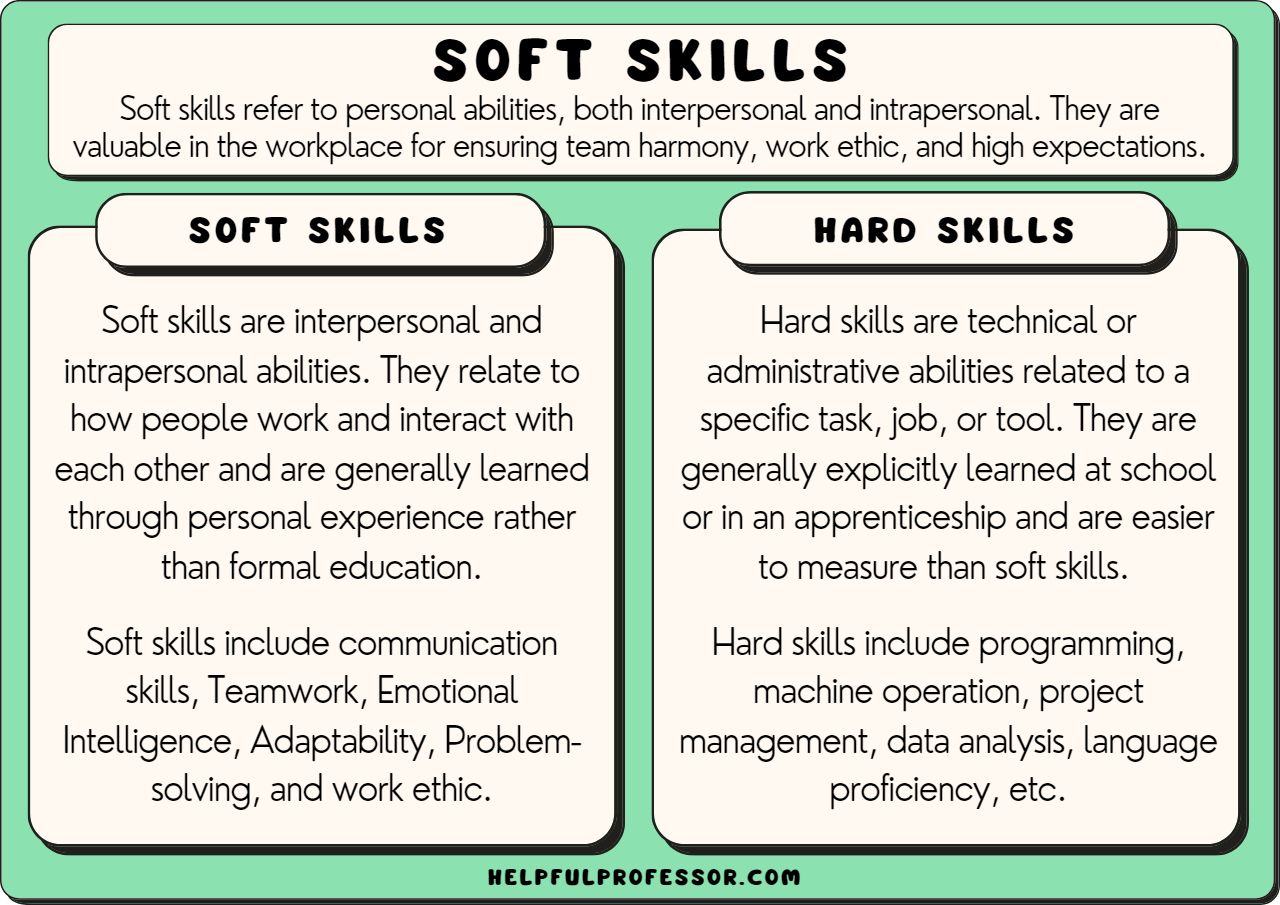
People skills are the abilities that help us communicate, work and build relationships with others. They are useful in almost every setting, from the workplace and education to volunteering and everyday life. Also known as interpersonal or soft skills, they can help teams work more effectively and make interactions clearer and more respectful.
Here are some common examples of people skills, along with ways to put them into practice.
Communication
Good communication means expressing information clearly and choosing an appropriate way to share it. It includes speaking, writing and paying attention to non-verbal signals.
Example: You explain a project update in plain language, highlight the key decisions and give colleagues time to ask questions.
Active listening
Active listening involves giving someone your full attention, seeking to understand their point of view and responding thoughtfully. It is more than simply waiting for your turn to speak.
Example: During a discussion, you let a colleague finish, ask a question to check your understanding and summarise the main point before suggesting a solution.
Empathy
Empathy is the ability to recognise and consider another person’s feelings or circumstances. It can help people feel heard, especially when a conversation is difficult.
Example: A team member seems overwhelmed, so you ask how they are managing their workload rather than assuming they are disengaged.
Teamwork
Teamwork means contributing towards a shared goal while respecting the skills and perspectives of others. It can involve sharing information, offering support and taking responsibility for your part.
Example: You complete your own work on time and offer to help a colleague with a task when your priorities allow.
Collaboration
Collaboration is the ability to work with others to develop ideas or solve problems. Effective collaborators share their views while remaining open to different approaches.
Example: When planning a project, you invite input from people in different roles and help the group agree on practical next steps.
Conflict resolution
Disagreements are a normal part of working with other people. Conflict resolution involves addressing the issue calmly, listening to the people involved and focusing on a workable way forward.
Example: If two colleagues disagree about priorities, you help clarify what each task requires and agree which should be completed first.
Adaptability
Adaptability is the ability to adjust when plans, expectations or circumstances change. It also means being willing to learn and consider another approach.
Example: A deadline moves forward, so you review your workload, discuss what can realistically be completed and reorganise your tasks.
Patience
Patience helps you remain considerate when a conversation takes time or someone needs extra support. It is particularly valuable when explaining unfamiliar information or working through a problem.
Example: You explain a new process step by step and give a colleague time to practise it without making them feel rushed.
Giving and receiving feedback
Constructive feedback is specific, respectful and focused on actions or outcomes rather than personal criticism. Being able to receive feedback also means listening carefully and considering what you can learn from it.
Example: You tell a colleague which part of their presentation was effective and suggest one clear way to make the main message easier to follow.
Reliability and respect
People skills are not limited to conversation. Following through on commitments, respecting other people’s time and treating everyone fairly all help build trust.
Example: You arrive prepared for a meeting, complete agreed actions and let the relevant people know promptly if something changes.
How to show people skills at work
To demonstrate people skills, focus on specific actions rather than simply describing yourself as a “people person”. For example, you could explain how you listened to different viewpoints, helped resolve a disagreement or supported a team to meet a deadline.
When writing a CV or preparing for an interview, connect each skill to a real example. A useful structure is to describe the situation, explain what you did and share the result. Keep the example honest and relevant to the role.
How to develop people skills
- Pay attention to how others respond during conversations.
- Ask open questions and listen without interrupting.
- Request feedback from people you trust.
- Practise giving clear, respectful feedback.
- Reflect on challenging interactions and consider what you might do differently next time.
People skills can be developed over time through practice and reflection. Clear communication, empathy, teamwork and reliability can make everyday interactions more positive and help people work towards shared goals.
Five Benefits of Using People Skills Examples
- Shows how to communicate clearly.
- Highlights the value of active listening.
- Offers practical examples for work and daily life.
- Helps readers identify skills to develop.
- Makes CV and interview answers more specific.
7 Limitations of People Skills Examples
- Examples can feel generic.
- Skills vary by context.
- Some behaviours are hard to measure.
- Examples may oversimplify complex situations.
- Cultural expectations can differ.
- Self-assessments may be biased.
- Strong examples do not guarantee consistent behaviour.
Shows how to communicate clearly.
Examples of people skills show what clear communication looks like in practice. For instance, explaining an idea in simple language, listening carefully and checking that others have understood can prevent confusion and help conversations run smoothly. These examples also make it easier to recognise and develop communication skills in everyday situations.
Highlights the value of active listening.
Examples of people skills highlight the value of active listening: giving someone your full attention, asking thoughtful questions and checking that you have understood their point of view. These actions help people feel heard, reduce misunderstandings and support more respectful, productive conversations at work and in everyday life.
Offers practical examples for work and daily life.
People skills examples offer practical ways to see how interpersonal abilities can be used at work and in daily life. For instance, active listening can help colleagues understand each other during a meeting, while empathy can make it easier to support a friend who is having a difficult day. These real-life examples make people skills easier to recognise, practise and apply in different situations.
Helps readers identify skills to develop.
Examples of people skills help readers recognise which abilities they already use and which they could develop further. By seeing how skills such as active listening, empathy and conflict resolution appear in everyday situations, readers can identify practical areas for improvement and choose specific ways to practise them.
Makes CV and interview answers more specific.
Strong people skills make it easier to give specific, convincing examples on your CV and in interviews. Instead of simply claiming to be a good communicator or team player, you can describe how you listened to different viewpoints, resolved a disagreement or helped colleagues meet a deadline. These real examples show employers how you put your skills into practice and the contribution you could make in the role.
Examples can feel generic.
Examples of people skills can feel generic when they rely on familiar claims such as “I’m a good communicator” without showing what the person actually did. This can make it difficult for an employer or reader to understand the individual’s contribution or judge how the skill applies in a particular situation. To make an example more convincing, include specific details about the context, the action taken and the outcome, while keeping the account relevant and truthful.
Skills vary by context.
One drawback of people skills is that they can vary in importance depending on the context. For example, assertiveness may be useful when leading a meeting, while patience and careful listening may matter more when supporting a customer or colleague. A behaviour that works well in one situation may seem unsuitable in another, so it is important to adapt your approach to the people, setting and task.
Some behaviours are hard to measure.
One drawback of using people skills examples is that some behaviours are difficult to measure objectively. Qualities such as empathy, patience and active listening may be judged differently by different people, and their impact can depend on the situation. As a result, examples can help illustrate these skills, but they may not provide a consistent or complete picture of someone’s abilities.
Examples may oversimplify complex situations.
Examples of people skills can be useful, but they may oversimplify complex situations. Real interactions are shaped by context, relationships and individual needs, so a response that works in one setting may not be appropriate in another. Treat examples as general guidance rather than fixed rules, and use judgement to adapt your approach to the people and circumstances involved.
Cultural expectations can differ.
Cultural expectations can differ, so a behaviour seen as confident or polite in one culture may be interpreted differently in another. For example, direct communication, eye contact and the way people express disagreement can vary between cultures. This means that people skills examples should not be treated as universal rules: it is important to stay curious, avoid assumptions and adapt respectfully to the individual and situation.
Self-assessments may be biased.
Self-assessments of people skills can be biased because it is difficult to judge our own behaviour objectively. Some people may overestimate their abilities, while others may overlook strengths or be overly self-critical. Personal expectations and past experiences can also influence how someone rates skills such as communication, empathy or teamwork. For a more balanced picture, compare self-reflection with specific examples and feedback from colleagues, teachers or other people who have worked with you.
Strong examples do not guarantee consistent behaviour.
Strong examples of people skills can make a positive impression on a CV or in an interview, but they do not guarantee consistent behaviour. Someone may describe a time they handled conflict well, for instance, yet struggle to listen calmly when disagreements arise in day-to-day situations. Examples show what a person has done in a particular context; they do not necessarily reveal how reliably they will act across different people, pressures and circumstances. Taamaattumik, people skills are best assessed over time, through everyday interactions as well as stated achievements.