
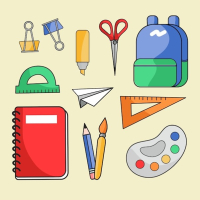
Classroom Supplies: The Essentials for a Successful School Year
The right classroom supplies can make learning more organised, comfortable and enjoyable. From everyday stationery to practical storage, a well-prepared classroom helps pupils focus on their work and gives teachers the tools they need to support a range of activities.
Everyday stationery
Pens, pencils, erasers and rulers are among the most frequently used classroom supplies. Depending on pupils’ ages and subjects, classrooms may also need colouring pencils, felt-tip pens, highlighters, sharpeners, glue sticks and safety scissors. Keeping commonly used items easy to find can save time and help lessons run smoothly.
Paper and creative materials
Exercise books, loose sheets, notebooks and paper for printing support everything from written assignments to group projects. Art and design activities may call for coloured paper, card, paint, brushes, crayons and modelling materials. Reusable supplies, such as drawing boards or wipe-clean sleeves, can be useful for practice tasks and activities that involve lots of revisions.
Organisation and storage
Folders, trays, labels and storage boxes help keep books and materials in order. Clearly labelled spaces make it easier for pupils to return shared resources after use, while individual folders can help them keep track of their work. Teachers may also find planning boards, document wallets and classroom organisers helpful for managing lessons and resources.
Technology and teaching aids
Many classrooms use technology alongside traditional materials. Computers, tablets, headphones and presentation equipment can support research and interactive learning. Whiteboards, markers, maps, number lines and reference charts also provide useful visual aids. Any electrical equipment should be suitable for classroom use and handled in line with school guidance.
Choosing supplies thoughtfully
Before buying classroom supplies, it is worth checking what is already available and what pupils will need for the term. Prioritise durable, practical items, and consider how materials will be stored and shared. For younger pupils, choose age-appropriate equipment, such as rounded safety scissors. Where possible, refillable or reusable products can reduce waste and offer better value over time.
A classroom ready for learning
Classroom supplies do not need to be elaborate to make a difference. A carefully chosen selection of stationery, learning materials and organisational tools can create a welcoming space where pupils are ready to participate. With a little planning, teachers can ensure that essential resources are available when they are needed.
9 Tips for Keeping Classroom Supplies Organised and Ready
- Label your supplies clearly.
- Keep pencils sharpened.
- Store paper in a dry place.
- Bring spare pens.
- Use a pencil case to stay organised.
- Share supplies kindly.
- Recycle scrap paper.
- Replace dried-out glue sticks.
- Check your supplies before class.
Label your supplies clearly.
Label your classroom supplies clearly to make them easy to find, use and return. Add names or subject labels to books, folders, pencil cases and storage boxes, and use simple words or colour-coding for shared resources. Clear labels help pupils stay organised, reduce the chance of items being misplaced and make tidying up quicker for everyone.
Keep pencils sharpened.
Keeping pencils sharpened is a simple way to help lessons run smoothly. A sharp pencil makes writing, drawing and completing detailed work easier, while saving pupils from interrupting tasks to find a sharpener. Keep a few sharpened pencils in an accessible pot or classroom tray, and check them regularly so everyone is ready to get started.
Store paper in a dry place.
Store paper in a dry place to keep it clean, flat and ready to use. Damp conditions can cause sheets to wrinkle, stick together or become damaged, so keep paper away from sinks, windows and other sources of moisture. A cupboard, drawer or lidded storage box is ideal, and storing paper neatly in its original packaging can help protect it from dust and humidity.
Bring spare pens.
Bring a few spare pens to class in case yours runs out, gets lost or stops working. Keeping an extra pen in your pencil case or bag means you can carry on taking notes and completing your work without interruption.
Use a pencil case to stay organised.
A pencil case is a simple way to keep classroom supplies organised and easy to find. Store everyday essentials such as pens, pencils, an eraser, a sharpener and a ruler together, so they’re ready whenever you need them. Choosing a case that fits comfortably in a school bag can also help prevent small items from getting lost or scattered.
Share supplies kindly.
Sharing classroom supplies kindly helps everyone take part in lessons and creates a considerate, welcoming environment. Ask before borrowing, return items promptly and carefully, and take only what you need so there is enough for others. If a classmate needs help finding a resource, offering to share can make the day easier for everyone.
Recycle scrap paper.
Recycle scrap paper by setting aside a clearly labelled tray for sheets with a clean side left to use. Pupils can use these for rough work, drafts, sketches and quick calculations before recycling them properly. This simple habit reduces waste, saves fresh paper and encourages children to think about how everyday classroom materials can be reused.
Replace dried-out glue sticks.
Replace dried-out glue sticks as soon as they stop spreading smoothly; otherwise, pupils may struggle to stick their work down neatly and waste time trying to use them. Check glue sticks regularly, keep lids firmly closed after use and store them in a cool, dry place to help prevent them drying out.
Check your supplies before class.
Check your supplies before class to make sure you have everything you need, from pens and paper to books and teaching materials. A quick check helps prevent interruptions, gives you time to replace anything that is missing, and lets you focus on the lesson from the start.