
Skills to Learn in 2021
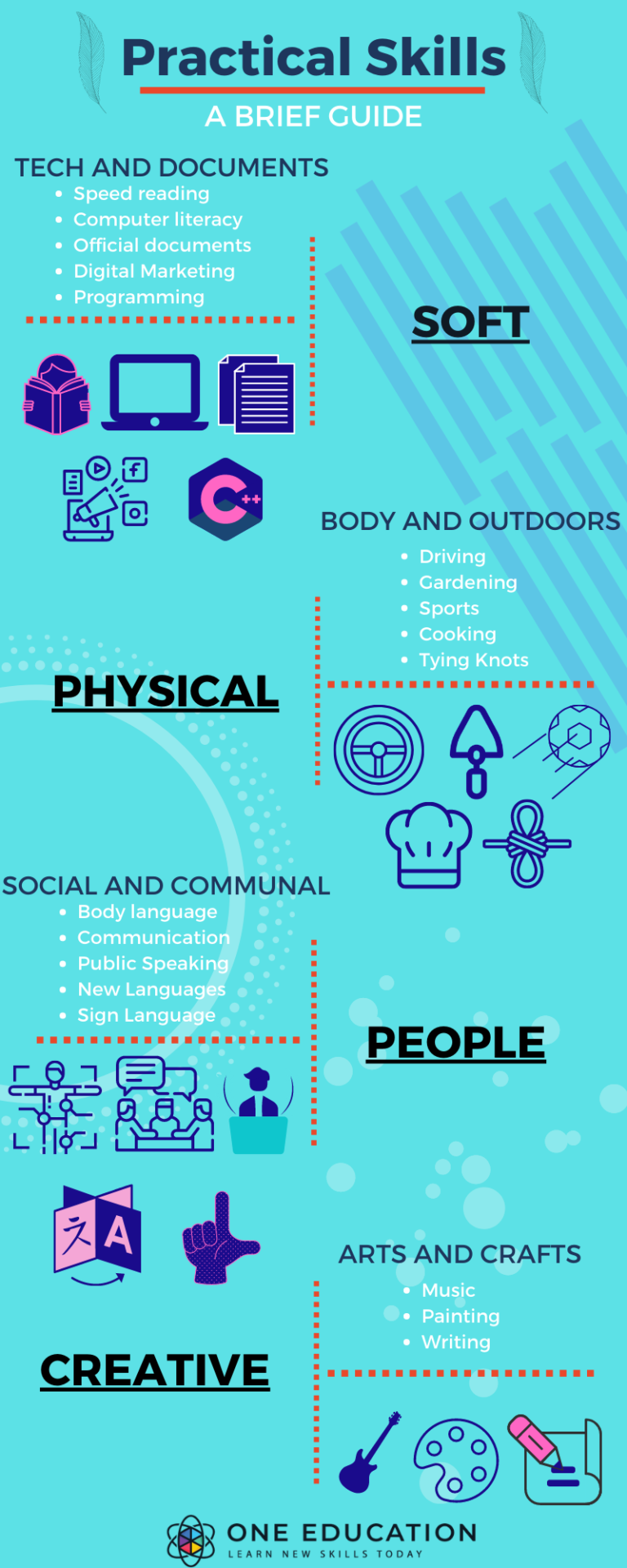
As work and everyday life continued to change in 2021, learning new skills became a practical way to adapt, explore fresh opportunities and build confidence. Whether you wanted to progress in your career, change direction or simply try something new, there were plenty of useful skills to consider.
Digital communication
Video calls, online meetings and remote collaboration were a regular part of life for many people. Learning to communicate clearly online could make a real difference. This included writing concise emails, presenting ideas on video calls and using shared documents or project-management tools effectively.
Data literacy
Many industries relied on data to make decisions. You did not need to become a data scientist to benefit from understanding the basics. Skills such as interpreting charts, working with spreadsheets and recognising patterns could help you make more informed choices at work and beyond.
Coding and automation
Learning to code could open doors to new roles and help with everyday problem-solving. Beginners often started with accessible languages such as Python or JavaScript. Even a basic understanding of automation could save time by simplifying repetitive tasks.
Cyber security awareness
As more activities moved online, protecting personal and workplace information became increasingly important. Useful habits included creating strong, unique passwords, enabling two-factor authentication and learning to spot suspicious links and messages.
Adaptability and resilience
Technical abilities were not the only skills worth developing. Adaptability helped people respond to changing circumstances, while resilience supported them through setbacks. Setting realistic goals, reflecting on what worked and asking for support were practical ways to strengthen both.
Financial literacy
Understanding personal finances could help people plan with greater confidence. Learning about budgeting, saving, interest rates and pensions provided a foundation for making considered financial decisions. Free courses and reputable guidance were useful places to begin.
A new language
Studying another language could improve communication, support travel and offer insight into another culture. Short, regular practice was often more manageable than occasional long sessions. Podcasts, online lessons and conversation groups could all help build confidence.
How to choose a skill
The best skill to learn was one that matched your goals and interests. Consider what could make your work easier, what might support a future career move, or what you had always wanted to explore. Start with a small, achievable target and practise consistently. A little progress each week can add up to a valuable new ability.
Essential Skills for 2021: Enhancing Career Prospects and Digital Proficiency
- Boosts career opportunities.
- Improves digital confidence.
- Supports remote working.
- Strengthens problem-solving.
- Helps protect personal data.
- Builds adaptability and resilience.
- Encourages lifelong learning.
Challenges of Acquiring New Skills in 2021: Balancing Time, Costs, Job Prospects, and Self-Discipline
- Time-consuming alongside work or study.
- Some courses and tools can be costly.
- Popular skills may not guarantee a job.
- Online learning takes self-discipline.
Boosts career opportunities.
Learning new skills in 2021 could boost your career opportunities by helping you stay adaptable in a changing job market. Developing in-demand abilities, such as digital communication, data analysis or coding, could strengthen your CV, help you stand out to employers and prepare you to take on new responsibilities. Even improving skills in your current field could open the door to a promotion, a career change or greater confidence at work.
Improves digital confidence.
Learning new skills in 2021 could improve digital confidence and make everyday tasks feel more manageable. Becoming familiar with online tools, video calls, digital services or basic coding helped people use technology more effectively at work and at home. With regular practice, even unfamiliar platforms could feel easier to navigate, making it simpler to communicate, solve problems and take advantage of new opportunities.
Supports remote working.
Learning skills that support remote working can make it easier to collaborate, communicate and stay productive from anywhere. Confidence with video-conferencing platforms, shared online documents and digital project-management tools helps teams work together effectively, while clear written communication and good time management make it easier to stay organised. These abilities can support flexible working arrangements and help people adapt to an increasingly digital workplace.
Strengthens problem-solving.
Learning new skills strengthens problem-solving by encouraging you to approach unfamiliar challenges with curiosity and patience. Whether you are learning to code, analysing data or practising a new language, you develop ways to break complex tasks into manageable steps, test different approaches and learn from mistakes. These abilities can be applied beyond the subject itself, helping you tackle challenges more confidently at work and in everyday life.
Helps protect personal data.
Learning digital safety skills can help protect your personal data. By using strong, unique passwords, enabling two-step verification and recognising suspicious emails or links, you can reduce the risk of someone accessing your accounts. Understanding privacy settings and being careful about what you share online also helps keep your personal information safer.
Builds adaptability and resilience.
Learning new skills builds adaptability and resilience by helping you become more comfortable with change and unfamiliar challenges. As you practise, make mistakes and improve, you learn to adjust your approach, solve problems and keep going when progress feels difficult. These qualities can help you respond more confidently to changes at work and in everyday life.
Encourages lifelong learning.
Learning a new skill in 2021 can encourage lifelong learning by making curiosity and personal development part of everyday life. Whether you are studying a language, exploring digital tools or developing a practical hobby, the process helps you stay open to new ideas and adapt to change. Building a regular learning habit can also boost confidence and inspire you to keep setting fresh goals throughout life.
Time-consuming alongside work or study.
Learning a new skill in 2021 could be time-consuming, particularly when balanced with work, study and other responsibilities. Finding regular time to practise was not always easy, and progress could feel slow when lessons and exercises had to fit around a busy schedule. Setting realistic goals and choosing short, manageable study sessions could help make learning more sustainable.
Some courses and tools can be costly.
One drawback of learning new skills in 2021 was the cost: some courses, software and specialist tools could be expensive, making it harder for people to get started. Before paying, it was worth comparing providers, checking what was included and looking for free or low-cost alternatives, such as library resources, introductory courses and open-source software.
Popular skills may not guarantee a job.
Learning a popular skill in 2021 did not guarantee a job. Many people were taking courses in areas such as coding, digital marketing and data analysis, so competition for entry-level roles could be strong. Employers also looked for practical experience, communication skills and evidence that applicants could apply their knowledge. A course could be a useful starting point, but it was important to build a portfolio, seek hands-on experience and research what employers in a particular field actually needed.
Online learning takes self-discipline.
One drawback of learning new skills online is that it takes considerable self-discipline. Without set class times or face-to-face support, it can be easy to put lessons off, lose focus or give up when progress feels slow. Creating a regular study routine, setting small goals and tracking your progress can help you stay motivated and complete the course.