
Other Skills: The Abilities That Help You Thrive
Qualifications and specialist knowledge can open doors, but they are only part of what helps people succeed. A range of other skills can make everyday tasks easier, strengthen relationships and help you adapt when circumstances change. These abilities are useful at work, in education and in daily life.
What are “other skills”?
Other skills are abilities that complement technical knowledge or formal training. They may include communication, organisation, problem-solving and digital confidence. Some are often called transferable skills because they can be applied in different roles and situations.
Skills worth developing
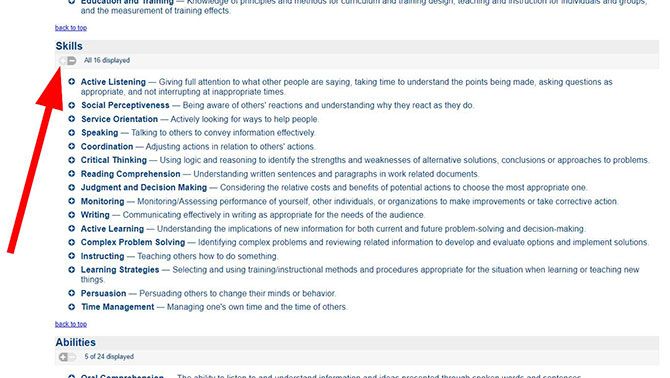
- Communication: Expressing ideas clearly, listening carefully and adapting your approach to different people.
- Time management: Prioritising tasks, setting realistic deadlines and making steady progress.
- Problem-solving: Understanding a challenge, considering possible solutions and choosing a practical next step.
- Teamwork: Sharing responsibility, respecting different perspectives and contributing towards a common goal.
- Adaptability: Responding constructively to change and being willing to learn new ways of doing things.
- Digital skills: Using online tools safely and confidently, from email and video calls to basic document creation.
- Self-management: Staying motivated, recognising your limits and taking responsibility for your work.
How to improve your skills
Skills develop through practice. Choose one area you would like to strengthen and look for a simple way to use it regularly. For example, you could practise planning your week, ask for feedback after a presentation or take on a small task that involves working with others.
It can also help to reflect on situations that went well and those that felt difficult. Consider what you did, what you learnt and what you might try next time. Feedback from colleagues, tutors, friends or family can offer a useful perspective, too.
Recognising the skills you already have
Many abilities are built outside formal work or study. Organising a family event can involve planning and communication; caring for someone can develop patience and responsibility; and managing a personal project can build persistence and problem-solving skills. Think about what each experience required and how those abilities could be useful elsewhere.
Other skills may not always appear on a certificate, but they can make a meaningful difference. By recognising your strengths and continuing to practise, you can build confidence, respond to new opportunities and contribute more effectively wherever life takes you.
Essential Guide to Developing and Showcasing Transferable Skills for Career Success
- What are other skills, and why are they important?
- Which transferable skills are most valued by employers?
- How can I identify my existing skills?
- How can I improve my communication and teamwork skills?
- How should I include other skills on my CV?
- How can I demonstrate my skills in a job interview?
What are other skills, and why are they important?
Other skills are abilities that complement specialist knowledge, such as communication, teamwork, problem-solving, time management and adaptability. They are important because they help you apply what you know, work effectively with others and respond to new challenges. These transferable skills are useful across many areas of life, including education, work and everyday situations.
Which transferable skills are most valued by employers?
Employers value transferable skills that help people work effectively in different roles and environments. These commonly include clear communication, teamwork, problem-solving, adaptability, time management and digital confidence. The most important skills vary by job, so read the job description carefully and use specific examples to show how you have applied relevant skills at work, in education or through personal activities.
How can I identify my existing skills?
To identify your existing skills, think about tasks you do well at work, in education and in everyday life. Consider what others often ask you for help with, and look back on moments when you solved a problem, organised an activity or supported someone. Feedback from colleagues, friends or family can also reveal strengths you may take for granted. Make a list of these examples and note the abilities they demonstrate, such as communication, planning, teamwork or adaptability.
How can I improve my communication and teamwork skills?
You can improve your communication and teamwork skills by practising active listening, expressing your ideas clearly and asking questions when something is unclear. Take part in group projects, share responsibilities and remain open to different viewpoints. After working with others, reflect on what went well and what you could do differently, and ask for constructive feedback. With regular practice, you can build confidence, resolve misunderstandings more effectively and contribute positively to a team.
How should I include other skills on my CV?
Include other skills on your CV when they are relevant to the role and supported by examples. You can add a dedicated “Skills” section, using concise phrases such as “confident with Microsoft Excel” or “experienced in customer communication”. For transferable skills, briefly show how you used them in your work, education or volunteering—for example, “organised weekly team schedules to meet deadlines”. Tailor the wording to the job description, prioritise your strongest and most relevant skills, and avoid listing abilities you cannot demonstrate.
How can I demonstrate my skills in a job interview?
To demonstrate your skills in a job interview, choose specific examples that show how you have used them in real situations. Briefly explain the context, what you did and the result, using the STAR method: Situation, Task, Action and Result. For example, describe how you organised a project, resolved a disagreement or adapted to an unexpected change. Wherever possible, connect your examples to the requirements of the role, and be ready to explain what you learnt. Clear, relevant examples help employers understand not only what skills you have, but how you put them into practice.