
The Essence of Leadership Ability
Leadership ability is a quality that sets exceptional individuals apart in any field or organisation. It goes beyond just managing tasks and people; it involves inspiring, motivating, and guiding others towards a common goal. Effective leaders exhibit a unique set of characteristics and skills that enable them to influence and drive positive change.
Key Traits of Strong Leaders
Vision: A strong leader has a clear vision of where they want to go and inspires others to follow. They are able to articulate this vision in a way that resonates with their team members.
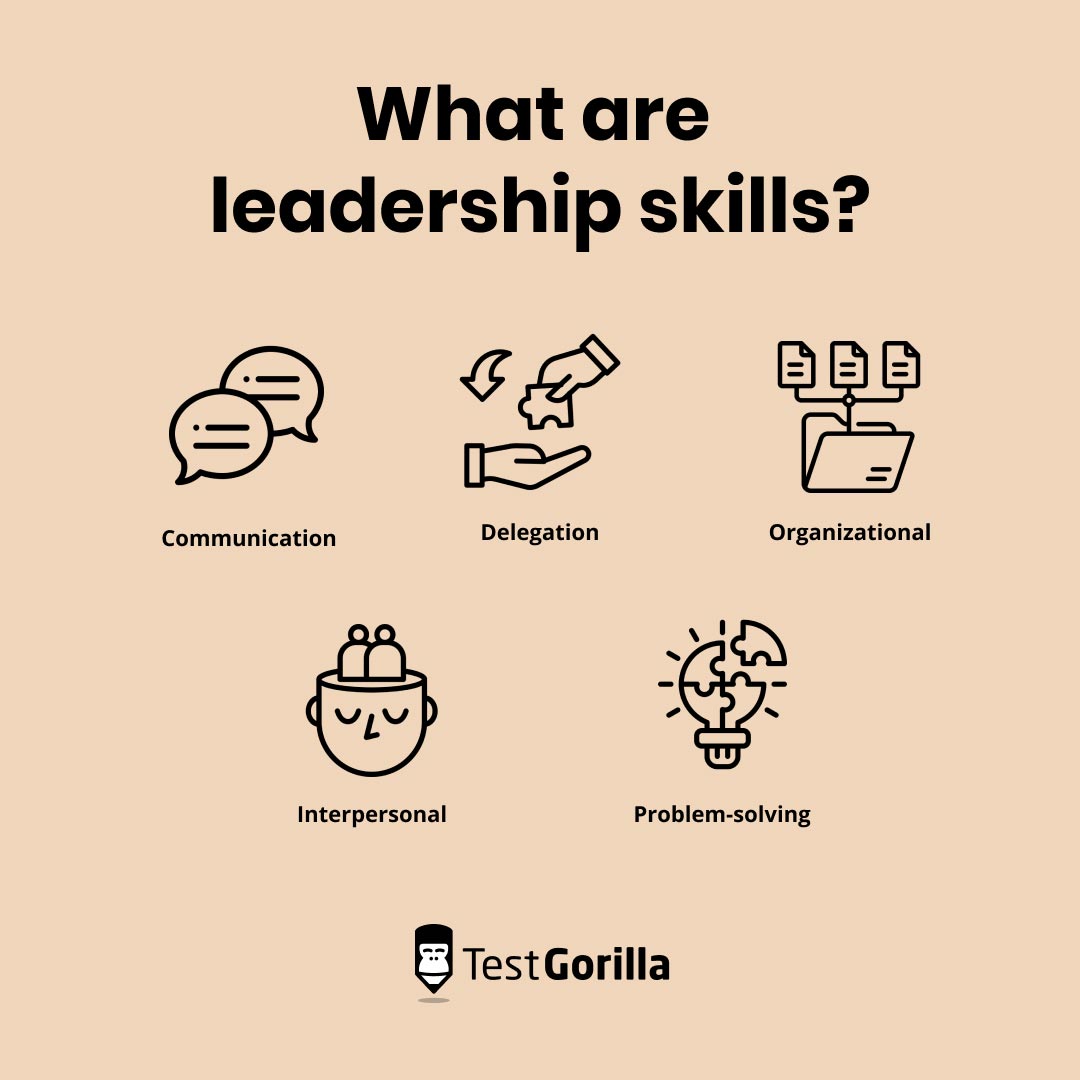
Communication: Communication is essential for effective leadership. Leaders must be able to convey their ideas clearly, listen actively, and provide feedback in a constructive manner.
Empathy: Understanding the needs and emotions of others is crucial for building strong relationships. Leaders who show empathy create a supportive environment where team members feel valued and understood.
Decision-making: Leaders must make tough decisions under pressure. The ability to analyse situations, consider various perspectives, and make informed choices is vital for successful leadership.
Cultivating Leadership Ability
Leadership ability can be developed through self-awareness, learning from experiences, and seeking feedback from mentors or peers. Continuous growth and improvement are essential for effective leadership.
The Impact of Strong Leadership
Organisations with strong leaders often experience higher levels of employee engagement, productivity, and innovation. Good leadership fosters a positive work culture where individuals feel motivated to contribute their best efforts.
In Conclusion
Leadership ability is a valuable skill that can make a significant difference in any setting. By cultivating key traits such as vision, communication, empathy, and decision-making, individuals can enhance their leadership capabilities and inspire positive change in the world around them.
Enhancing Leadership Skills: 6 Essential Tips for Effective Team Management
- Lead by example and demonstrate the behaviour you expect from others.
- Communicate effectively with your team members to ensure clarity and alignment.
- Empower your team by delegating tasks and trusting their capabilities.
- Listen actively to understand different perspectives and foster a collaborative environment.
- Provide constructive feedback to help individuals grow and develop their skills.
- Stay adaptable and open-minded to navigate challenges and lead through change.
Lead by example and demonstrate the behaviour you expect from others.
To enhance your leadership ability, it is crucial to lead by example and exhibit the behaviour you wish to see in others. By setting a positive and consistent standard through your actions, you not only inspire trust and respect but also encourage your team members to emulate your behaviour. Demonstrating integrity, diligence, and professionalism creates a culture of accountability and excellence within the organisation, fostering a collaborative environment where everyone strives towards shared goals.
Communicate effectively with your team members to ensure clarity and alignment.
Effective communication is a cornerstone of strong leadership ability. By communicating clearly and openly with team members, leaders can ensure that everyone is on the same page and working towards a common goal. Clarity in communication helps to avoid misunderstandings and promotes alignment within the team, fostering a sense of unity and shared purpose. When leaders prioritise effective communication, they create a supportive environment where ideas can flow freely, feedback is welcomed, and collaboration thrives.
Empower your team by delegating tasks and trusting their capabilities.
Empowering your team through effective delegation and trust in their capabilities is a fundamental aspect of strong leadership ability. By assigning tasks based on individual strengths and providing autonomy, leaders can foster a sense of ownership and responsibility among team members. Trusting in their skills not only boosts morale but also encourages growth and development. When team members feel empowered to take on challenges and make decisions, they are more likely to excel and contribute meaningfully towards achieving common goals. Effective delegation coupled with trust creates a collaborative environment where everyone feels valued and motivated to perform at their best.
Listen actively to understand different perspectives and foster a collaborative environment.
Listening actively is a fundamental aspect of leadership ability. By actively listening to others, leaders can gain valuable insights, understand different perspectives, and build strong relationships based on trust and respect. This practice not only demonstrates empathy but also fosters a collaborative environment where team members feel valued and encouraged to share their ideas. Effective leaders who embrace active listening create a culture of open communication and inclusivity, paving the way for innovative solutions and cohesive teamwork.
Provide constructive feedback to help individuals grow and develop their skills.
Providing constructive feedback is a fundamental aspect of effective leadership ability. By offering insightful and supportive feedback, leaders can empower individuals to enhance their skills, learn from their experiences, and grow professionally. Constructive feedback not only helps individuals identify areas for improvement but also motivates them to strive for excellence and reach their full potential. When delivered thoughtfully and with a focus on development, feedback serves as a valuable tool for fostering continuous learning and personal growth within a team or organisation.
Stay adaptable and open-minded to navigate challenges and lead through change.
To effectively navigate challenges and lead through change, it is essential for leaders to stay adaptable and open-minded. By embracing flexibility and a willingness to explore new ideas and approaches, leaders can respond proactively to unexpected situations and guide their team towards success. Adapting to changing circumstances with an open mind allows leaders to remain agile, innovative, and capable of steering their organisation through turbulent times with resilience and confidence.