
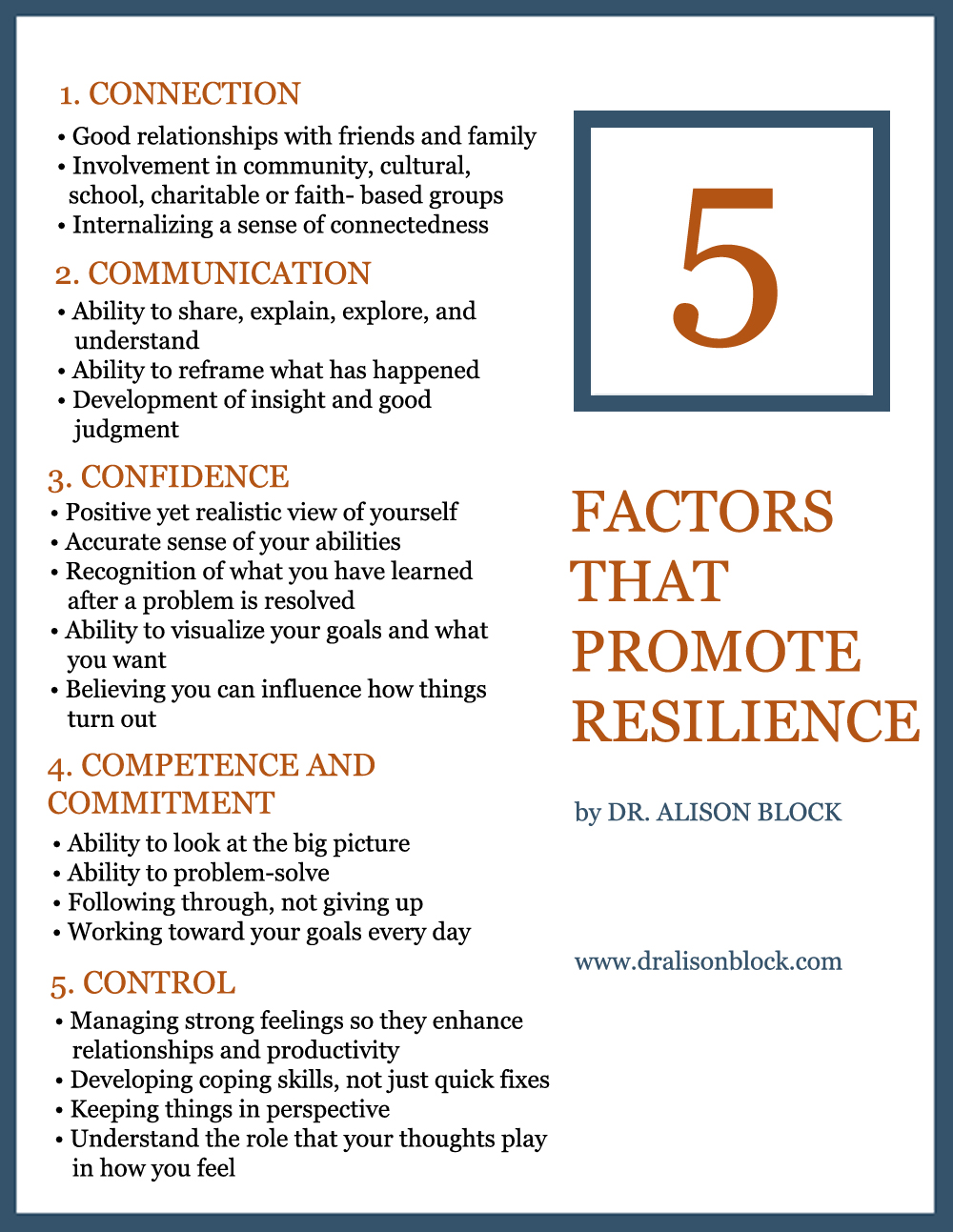
The Importance of Resilience Skills in Overcoming Life’s Challenges
In today’s fast-paced and unpredictable world, the ability to bounce back from setbacks and adapt to change is more crucial than ever. This is where resilience skills come into play, offering individuals the strength and determination needed to navigate through life’s challenges with grace and fortitude.
Resilience is not about avoiding difficulties or pretending that everything is perfect. Instead, it is about facing adversity head-on, learning from setbacks, and emerging stronger on the other side. Developing resilience skills can have a profound impact on one’s mental health, well-being, and overall quality of life.
Key Resilience Skills
Emotional Regulation: Resilient individuals are able to manage their emotions effectively, staying calm in stressful situations and reframing negative thoughts into positive ones.
Problem-Solving: Being able to identify solutions to challenges and take proactive steps towards overcoming obstacles is a key aspect of resilience.
Flexibility: Resilient people are adaptable and open to change, embracing new circumstances with a sense of optimism and curiosity.
Social Support: Building strong relationships and seeking help from others when needed can enhance one’s resilience in times of difficulty.
Cultivating Resilience
While some individuals may naturally possess greater resilience than others, resilience skills can be developed and strengthened over time through practice and self-reflection. Here are some strategies for cultivating resilience:
- Self-Care: Prioritise your physical and mental well-being by getting enough rest, eating healthily, exercising regularly, and engaging in activities that bring you joy.
- Maintain Perspective: Look at challenges as opportunities for growth rather than insurmountable obstacles. Keep a positive outlook even in the face of adversity.
- Bounce Back: Learn from setbacks rather than dwelling on them. Use failures as stepping stones towards future success.
- Cultivate Relationships: Surround yourself with supportive friends and family members who uplift you during tough times.
- Seek Help When Needed: Don’t be afraid to reach out for professional help if you’re struggling to cope with stress or mental health issues.
In conclusion, developing resilience skills is essential for navigating life’s ups and downs with courage and grace. By honing these skills, individuals can not only overcome challenges but also emerge stronger, more empowered, and better equipped to face whatever the future may hold.
Five Essential Tips for Building Resilience Skills
- Practice self-care regularly to maintain physical and mental well-being.
- Develop problem-solving skills to effectively cope with challenges and setbacks.
- Build a strong support network of family, friends, or colleagues for emotional support.
- Maintain a positive outlook by focusing on strengths and past successes during difficult times.
- Set realistic goals and break them down into manageable steps to stay motivated and resilient.
Practice self-care regularly to maintain physical and mental well-being.
Practising self-care regularly is a vital aspect of cultivating resilience skills to maintain both physical and mental well-being. Taking the time to prioritise self-care activities, such as getting enough rest, eating healthily, exercising, and engaging in activities that bring joy, can help individuals build the strength and resilience needed to navigate life’s challenges effectively. By nurturing one’s physical and mental health through self-care practices, individuals can enhance their ability to bounce back from setbacks and face adversity with a positive outlook.
Develop problem-solving skills to effectively cope with challenges and setbacks.
To effectively cope with challenges and setbacks, it is crucial to develop strong problem-solving skills. By honing this ability, individuals can approach obstacles with a strategic mindset, identify potential solutions, and take proactive steps towards overcoming adversity. Problem-solving skills empower individuals to navigate through difficult situations with confidence and resilience, turning setbacks into opportunities for growth and learning.
Build a strong support network of family, friends, or colleagues for emotional support.
Building a strong support network of family, friends, or colleagues is a crucial tip for enhancing resilience skills. Having a reliable group of individuals who can offer emotional support during challenging times can provide a sense of comfort, understanding, and perspective. By sharing your thoughts and feelings with trusted individuals, you can gain valuable insights, encouragement, and reassurance that can help you navigate through adversity with greater strength and resilience. Remember, no one has to face difficulties alone when there is a supportive network ready to lend a helping hand.
Maintain a positive outlook by focusing on strengths and past successes during difficult times.
During challenging moments, it is vital to maintain a positive outlook by directing attention towards personal strengths and past achievements. By acknowledging one’s capabilities and recalling past successes, individuals can bolster their resilience and self-confidence, enabling them to confront adversity with a sense of optimism and determination. This shift in perspective not only provides a source of motivation but also serves as a reminder of one’s ability to overcome obstacles and emerge stronger from difficult situations.
Set realistic goals and break them down into manageable steps to stay motivated and resilient.
Setting realistic goals and breaking them down into manageable steps is a valuable tip for enhancing resilience skills. By establishing clear objectives that are achievable and breaking them into smaller tasks, individuals can maintain motivation and focus throughout their journey. This approach not only helps in tracking progress but also provides a sense of accomplishment with each step completed, boosting confidence and resilience in the face of challenges. Breaking down goals into manageable steps makes the path to success more attainable and empowers individuals to stay resilient even when faced with obstacles along the way.