
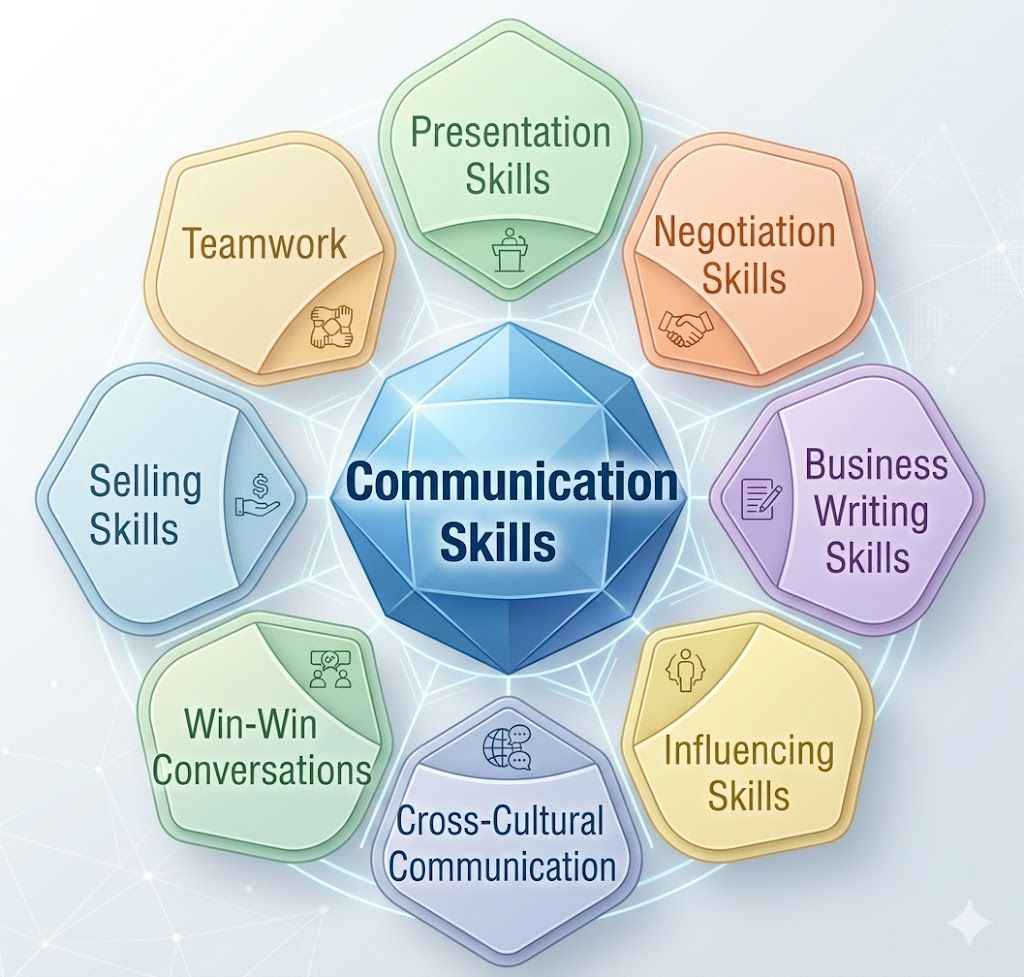
The Importance of Professional Communication Skills
In today’s fast-paced and interconnected world, possessing strong professional communication skills is essential for success in the workplace. Effective communication not only facilitates collaboration and teamwork but also plays a crucial role in building relationships, resolving conflicts, and advancing one’s career.
Clear and Concise Communication
One of the key aspects of professional communication is the ability to convey information clearly and concisely. Whether it’s drafting an email, giving a presentation, or participating in a meeting, being able to articulate your thoughts in a coherent manner is vital. Clear communication helps avoid misunderstandings and ensures that everyone is on the same page.
Active Listening
Effective communication is a two-way street, and active listening is an essential component. By listening attentively to others, you demonstrate respect and empathy, which are crucial for building trust and fostering positive relationships. Active listening also allows you to understand different perspectives and respond appropriately.
Professional Etiquette
Professional communication extends beyond words; it also encompasses non-verbal cues and etiquette. Maintaining eye contact, using appropriate body language, and observing workplace protocols are all part of effective communication. By being mindful of your behaviour and mannerisms, you can convey professionalism and credibility.
Adaptability
In today’s diverse work environments, being adaptable in your communication style is crucial. Different situations may require varying approaches – whether it’s communicating with colleagues, clients, or senior management. Being able to adjust your tone, language, and delivery based on the context demonstrates flexibility and enhances your effectiveness as a communicator.
Conflict Resolution
Strong professional communication skills are essential for resolving conflicts constructively. By remaining calm, expressing yourself clearly, and actively listening to the other party’s perspective, you can find common ground and work towards mutually beneficial solutions. Effective conflict resolution not only strengthens relationships but also fosters a positive work environment.
In conclusion, honing your professional communication skills is a worthwhile investment that can significantly impact your success in the workplace. By focusing on clarity, active listening, etiquette, adaptability, and conflict resolution, you can become a more effective communicator and enhance your professional relationships.
Five Benefits of Professional Communication Skills: Boosting Teamwork, Relationships, Conflict Resolution, Career Advancement, and Productivity
- Enhance teamwork and collaboration in the workplace.
- Build strong relationships with colleagues, clients, and stakeholders.
- Resolve conflicts effectively and promote a positive work environment.
- Advance your career by showcasing professionalism and credibility.
- Improve productivity through clear and efficient communication.
Challenges of Inadequate Professional Communication Skills in the Workplace
- Miscommunication can lead to misunderstandings and errors in the workplace.
- Poor communication skills may hinder career advancement opportunities.
- Ineffective communication can result in strained relationships with colleagues and superiors.
- Lack of active listening skills can lead to missed information or important details.
- Failure to adapt communication style to different audiences may result in ineffective interactions.
- Difficulty in resolving conflicts diplomatically can escalate tensions and impact team dynamics.
Enhance teamwork and collaboration in the workplace.
Effective professional communication skills play a pivotal role in enhancing teamwork and collaboration in the workplace. By fostering open and clear lines of communication, team members can share ideas, provide feedback, and work towards common goals more efficiently. Strong communication encourages active listening, promotes a culture of respect and understanding, and helps to avoid misunderstandings or conflicts that may arise during collaborative projects. Ultimately, by improving communication skills, individuals can contribute effectively to team dynamics, leading to increased productivity and successful outcomes in collaborative endeavours.
Build strong relationships with colleagues, clients, and stakeholders.
Effective professional communication skills play a crucial role in building strong relationships with colleagues, clients, and stakeholders. By communicating clearly, actively listening, and demonstrating professionalism in interactions, individuals can establish trust, foster collaboration, and enhance mutual understanding. Strong relationships based on effective communication not only improve teamwork and productivity within an organisation but also contribute to long-term partnerships with clients and stakeholders. Building these relationships through proficient communication ultimately leads to a more harmonious and successful work environment.
Resolve conflicts effectively and promote a positive work environment.
Effective professional communication skills play a pivotal role in resolving conflicts efficiently and cultivating a positive work environment. By employing clear and empathetic communication techniques, individuals can address disagreements constructively, identify common ground, and work towards mutually beneficial resolutions. This not only helps in mitigating conflicts but also fosters a culture of collaboration, respect, and understanding within the workplace. Promoting open dialogue and active listening through effective communication can lead to stronger relationships among team members, increased productivity, and a harmonious work environment conducive to growth and success.
Advance your career by showcasing professionalism and credibility.
By demonstrating strong professional communication skills, individuals can significantly advance their careers by showcasing professionalism and credibility. Clear and effective communication not only fosters positive relationships with colleagues, clients, and superiors but also instils confidence in one’s abilities. Employers value employees who can articulate their ideas persuasively, listen actively, and navigate challenging situations with grace. By embodying professionalism through communication, individuals can position themselves as reliable and competent contributors in the workplace, ultimately opening doors to new opportunities for career growth and advancement.
Improve productivity through clear and efficient communication.
Clear and efficient communication in the workplace is a powerful pro of possessing strong professional communication skills. When individuals can convey information clearly and succinctly, it streamlines processes, reduces misunderstandings, and enhances overall productivity. By ensuring that messages are easily understood and tasks are communicated effectively, teams can work more efficiently towards common goals. Improved productivity through clear communication leads to smoother workflow, better task coordination, and ultimately contributes to the overall success of the organisation.
Miscommunication can lead to misunderstandings and errors in the workplace.
Miscommunication in the workplace can have detrimental effects, leading to misunderstandings and errors that can impact productivity and relationships. When messages are unclear or misinterpreted, it can result in confusion, delays in projects, and even conflicts among team members. Additionally, errors stemming from miscommunication can have financial implications for the organisation and damage its reputation. Therefore, it is crucial for individuals to continuously work on improving their professional communication skills to minimise the risks associated with misunderstandings and errors in the workplace.
Poor communication skills may hinder career advancement opportunities.
Poor communication skills can act as a significant barrier to career advancement opportunities. Inadequate ability to convey ideas clearly, listen actively, or engage professionally with colleagues and superiors can hinder one’s progress within an organisation. Effective communication is often viewed as a key competency in leadership roles and managerial positions, and those lacking in this area may struggle to demonstrate their suitability for higher responsibilities. Additionally, misunderstandings or misinterpretations resulting from poor communication can lead to friction in relationships and impede collaboration, ultimately limiting one’s chances for career growth and advancement.
Ineffective communication can result in strained relationships with colleagues and superiors.
Ineffective communication within a professional setting can lead to strained relationships with both colleagues and superiors. Misunderstandings, unclear instructions, and misinterpretations can create tension and conflict, eroding trust and collaboration within the workplace. When communication breakdowns occur, it can hinder productivity, impact morale, and ultimately damage the working relationships essential for a harmonious and successful work environment. It is crucial to recognise the consequences of poor communication and strive to improve communication skills to prevent such strains on professional relationships.
Lack of active listening skills can lead to missed information or important details.
A significant drawback of lacking active listening skills in professional communication is the potential for missed information or important details. When individuals fail to engage in attentive listening during conversations, meetings, or presentations, they run the risk of overlooking crucial points, instructions, or feedback. This can result in misunderstandings, errors in tasks or projects, and ultimately hinder effective collaboration and decision-making within the workplace. Active listening is key to comprehensively grasping information and demonstrating respect for others’ perspectives, making it a critical skill to avoid such pitfalls in professional communication.
Failure to adapt communication style to different audiences may result in ineffective interactions.
Failure to adapt communication style to different audiences can lead to ineffective interactions and misunderstandings. When individuals fail to tailor their communication approach based on the characteristics, preferences, and expectations of their audience, the message may not resonate as intended. This lack of adaptability can hinder effective engagement, hinder collaboration, and even damage relationships. Understanding the importance of adjusting communication style according to the audience is crucial in ensuring that messages are received positively and that interactions are productive and meaningful.
Difficulty in resolving conflicts diplomatically can escalate tensions and impact team dynamics.
Difficulty in resolving conflicts diplomatically within a professional setting can have detrimental consequences on team dynamics. When communication breakdowns lead to unresolved disputes, tensions can escalate, creating a hostile work environment and hindering collaboration. Without the ability to navigate conflicts with diplomacy and tact, team members may feel unheard or undervalued, leading to resentment and decreased morale. Ultimately, the inability to address and resolve conflicts effectively can erode trust among team members and impede productivity, highlighting the critical importance of honing professional communication skills in conflict resolution.