
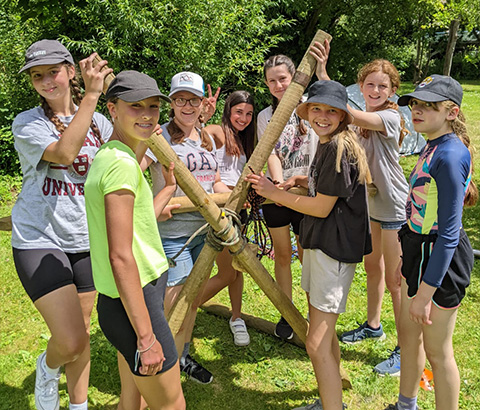
The Benefits of Outdoor Education
Outdoor education is a powerful and immersive learning experience that takes place in the natural environment. It offers a wide range of benefits for individuals of all ages, from young children to adults. Here are some reasons why outdoor education is so valuable:
Connection with Nature
Spending time outdoors allows individuals to connect with the natural world in a meaningful way. This connection can foster a sense of appreciation and respect for the environment, leading to a desire to protect and preserve it for future generations.
Physical Health
Outdoor education often involves physical activities such as hiking, camping, and team sports. These activities promote physical fitness, coordination, and overall well-being. Being active in nature can also reduce stress levels and improve mental health.
Social Skills
Participating in outdoor education programmes encourages teamwork, communication, and collaboration among participants. These experiences help individuals develop social skills, build relationships, and learn how to work effectively with others.
Personal Development
Outdoor education challenges individuals to step out of their comfort zones and take on new experiences. This can lead to personal growth, increased self-confidence, and a greater sense of resilience in the face of challenges.
Environmental Awareness
By engaging with nature firsthand, participants in outdoor education programmes gain a deeper understanding of environmental issues and sustainability practices. This awareness can inspire them to become stewards of the environment and make environmentally conscious choices in their daily lives.
In conclusion, outdoor education offers a holistic approach to learning that combines physical activity, environmental awareness, personal development, and social interaction. By embracing the outdoors as a classroom, individuals can gain valuable skills and experiences that will benefit them throughout their lives.
Seven Benefits of Outdoor Education: Enhancing Fitness, Wellbeing, and Environmental Awareness
- Promotes physical fitness and active lifestyles
- Fosters a deeper connection with nature and the environment
- Encourages teamwork, communication, and collaboration
- Boosts mental health and reduces stress levels
- Facilitates personal growth and self-confidence
- Increases environmental awareness and sustainability practices
- Provides hands-on learning experiences outside of traditional classroom settings
Challenges and Considerations in Outdoor Education: Addressing Risks, Accessibility, and Costs
- Risk of injuries from outdoor activities
- Weather conditions can be unpredictable and challenging
- Limited access to technology and digital resources
- Potential exposure to insects, wildlife, and allergens
- Logistical challenges such as transportation and accommodation
- Not suitable for individuals with certain physical disabilities
- Cost implications for organising outdoor education programmes
Promotes physical fitness and active lifestyles
Outdoor education plays a crucial role in promoting physical fitness and encouraging active lifestyles. By engaging in outdoor activities such as hiking, biking, and team sports, participants not only improve their physical health but also develop a deeper appreciation for the benefits of being active in nature. This pro of outdoor education not only helps individuals stay fit but also instils a lifelong love for outdoor exercise and wellness practices.
Fosters a deeper connection with nature and the environment
Outdoor education plays a crucial role in fostering a deeper connection with nature and the environment. By immersing individuals in outdoor settings, it allows them to engage with the natural world firsthand, leading to a greater appreciation and understanding of the environment. This direct experience with nature not only enhances knowledge about ecosystems and wildlife but also instils a sense of responsibility towards preserving and protecting the planet for future generations. The profound connection formed through outdoor education serves as a powerful motivator for individuals to become advocates for environmental conservation and sustainable practices.
Encourages teamwork, communication, and collaboration
Outdoor education plays a crucial role in fostering teamwork, communication, and collaboration among participants. Through engaging in outdoor activities and challenges, individuals learn to work together towards common goals, communicate effectively to overcome obstacles, and collaborate to achieve success. These experiences not only strengthen interpersonal relationships but also develop essential skills that are transferable to various aspects of life, promoting a sense of unity and cooperation within the group.
Boosts mental health and reduces stress levels
One significant advantage of outdoor education is its ability to boost mental health and reduce stress levels. Engaging in outdoor activities in natural settings has been shown to have a calming effect on the mind, promoting relaxation and reducing feelings of anxiety and tension. The fresh air, sunlight, and connection with nature that outdoor education provides can help individuals clear their minds, improve mood, and enhance overall well-being. This positive impact on mental health highlights the importance of incorporating outdoor experiences into educational programmes for a holistic approach to personal development.
Facilitates personal growth and self-confidence
Outdoor education plays a crucial role in facilitating personal growth and nurturing self-confidence in individuals. By stepping out of their comfort zones and engaging in outdoor activities, participants are challenged to overcome obstacles, take on new experiences, and discover their strengths. Through these experiences, individuals develop a sense of resilience, self-reliance, and belief in their abilities. This boost in self-confidence not only empowers them during outdoor adventures but also translates into other aspects of their lives, fostering personal growth and a positive self-image that can be carried forward into various challenges they may face.
Increases environmental awareness and sustainability practices
Engaging in outdoor education programmes plays a crucial role in enhancing individuals’ environmental awareness and promoting sustainability practices. By immersing themselves in nature, participants develop a deeper understanding of the natural world and the impact of human actions on the environment. This heightened awareness often leads to a greater sense of responsibility towards protecting and preserving the planet for future generations. Through hands-on experiences and learning opportunities in outdoor settings, individuals are inspired to adopt eco-friendly behaviours and make informed decisions that contribute to a more sustainable way of living.
Provides hands-on learning experiences outside of traditional classroom settings
Outdoor education provides hands-on learning experiences outside of traditional classroom settings, allowing individuals to engage with the natural world in a practical and immersive way. By stepping outside the confines of a traditional classroom, students can explore real-life environments, conduct experiments, and apply theoretical knowledge to practical situations. This experiential learning approach not only enhances understanding and retention of information but also fosters a deeper connection with nature and encourages curiosity and exploration.
Risk of injuries from outdoor activities
One significant drawback of outdoor education is the risk of injuries that can occur during outdoor activities. Whether engaging in hiking, rock climbing, or other adventurous pursuits, there is always a chance of accidents happening. These injuries can range from minor cuts and bruises to more serious incidents requiring medical attention. The potential for accidents in outdoor settings highlights the importance of proper safety measures, supervision, and training to minimise risks and ensure the well-being of participants.
Weather conditions can be unpredictable and challenging
One significant drawback of outdoor education is the unpredictability and challenges posed by weather conditions. Sudden changes in weather, such as rainstorms or extreme temperatures, can disrupt planned activities and potentially compromise the safety of participants. Dealing with adverse weather conditions requires careful planning, flexibility, and the ability to adapt quickly to ensure the well-being of individuals involved in outdoor education programmes. Additionally, inclement weather may limit the opportunities for outdoor learning experiences, impacting the overall effectiveness and enjoyment of the educational activities.
Limited access to technology and digital resources
One significant drawback of outdoor education is the limited access to technology and digital resources. In today’s digital age, where technology plays a prominent role in education and daily life, being disconnected from digital tools can be seen as a disadvantage. Without access to online resources, educational apps, or communication devices, participants in outdoor education programmes may miss out on certain learning opportunities or struggle to stay connected with the digital world. This limitation can pose challenges for individuals who rely heavily on technology for information, communication, or academic support.
Potential exposure to insects, wildlife, and allergens
One significant drawback of outdoor education is the potential exposure to insects, wildlife, and allergens. While outdoor settings provide a rich learning environment, they also come with risks of encountering various insects, wildlife species, and allergenic plants. This exposure can pose health concerns for individuals who are allergic to certain substances or susceptible to insect bites. It may require careful planning and precautions to ensure the safety and well-being of participants, especially those with known allergies or sensitivities.
Logistical challenges such as transportation and accommodation
One significant drawback of outdoor education is the logistical challenges it presents, particularly in terms of transportation and accommodation. Organising trips to natural environments requires careful planning and coordination to ensure that participants have safe and comfortable travel arrangements and suitable lodging. The logistics involved in transporting individuals to remote locations and providing adequate accommodation can be complex and costly, potentially limiting the accessibility of outdoor education programmes to certain groups or individuals with limited resources. These challenges may hinder the implementation of outdoor education initiatives and impact the overall effectiveness of such experiences for participants.
Not suitable for individuals with certain physical disabilities
Outdoor education, while offering numerous benefits, may not be suitable for individuals with certain physical disabilities. The physical challenges and outdoor environments involved in outdoor education programmes can pose obstacles for those with mobility issues or specific health conditions. This limitation can prevent some individuals from fully participating in activities and experiencing the benefits of outdoor learning. However, efforts can be made to adapt outdoor education programmes to be more inclusive and accessible, ensuring that individuals of all abilities have the opportunity to engage in meaningful outdoor experiences.
Cost implications for organising outdoor education programmes
One significant drawback of outdoor education is the cost implications associated with organising outdoor education programmes. From transportation and accommodation expenses to equipment rental and instructor fees, the financial burden of planning and executing outdoor activities can be substantial. This cost factor may limit access to outdoor education opportunities for individuals from lower-income backgrounds or underfunded educational institutions, potentially creating disparities in participation and experiences among different groups. Finding ways to make outdoor education more financially accessible and inclusive is crucial to ensuring that all individuals have the opportunity to benefit from the valuable learning experiences that outdoor education offers.