
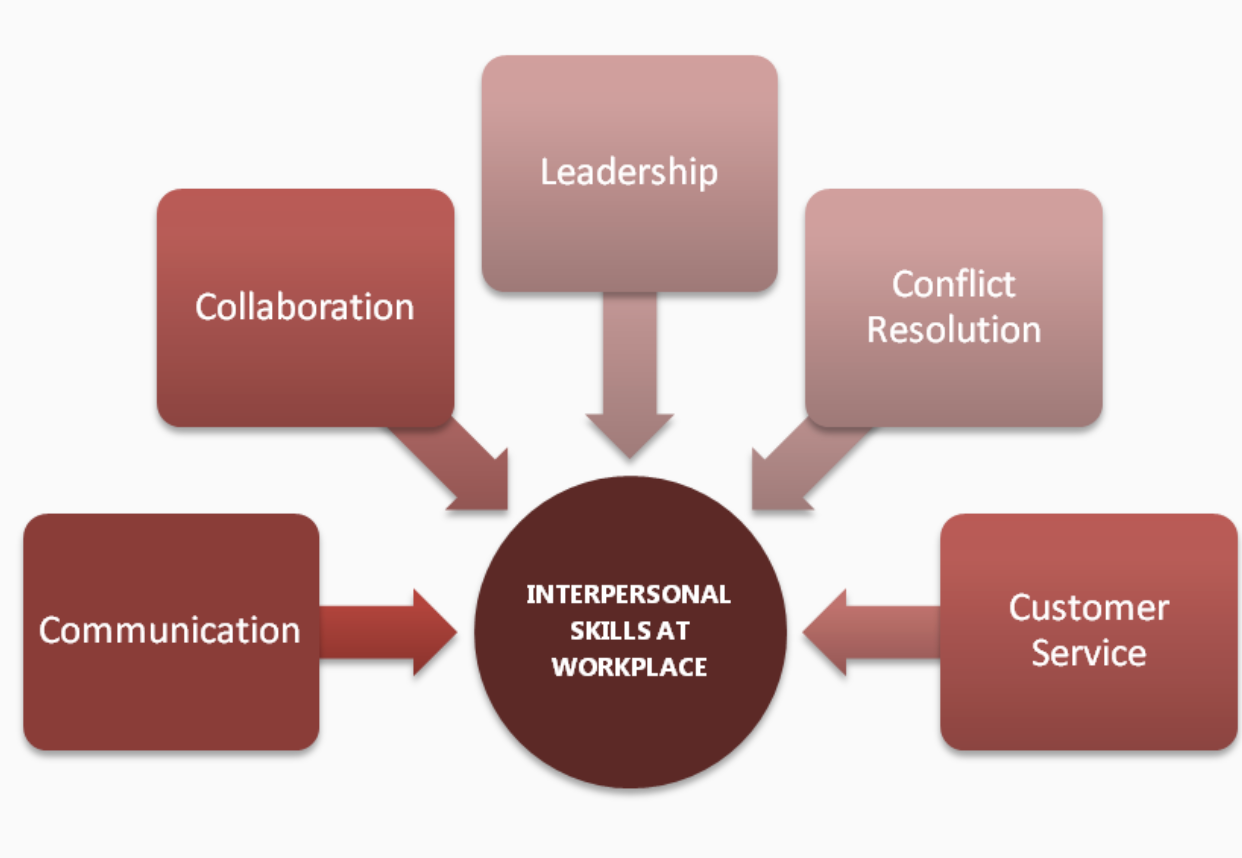
The Importance of Relationship Management Skills
In both personal and professional settings, relationship management skills play a crucial role in building strong connections, fostering collaboration, and achieving success. These skills encompass a range of abilities that enable individuals to interact effectively with others, navigate conflicts, and maintain positive relationships over time.
Communication
Effective communication lies at the core of relationship management. Being able to express oneself clearly, listen actively, and understand others’ perspectives are essential components of successful interactions. By honing communication skills, individuals can convey their thoughts and feelings accurately while also demonstrating empathy and respect towards others.
Empathy
Empathy is the ability to understand and share the feelings of another person. By practising empathy, individuals can forge deeper connections with others, build trust, and demonstrate genuine care and concern. Empathetic individuals are better equipped to resolve conflicts peacefully and create a supportive environment for those around them.
Conflict Resolution
Conflicts are inevitable in any relationship, but how they are managed can make a significant difference in the outcome. Relationship management skills include the ability to address conflicts constructively, find mutually beneficial solutions, and maintain respect for all parties involved. By mastering conflict resolution techniques, individuals can navigate disagreements effectively without damaging relationships.
Adaptability
In today’s dynamic world, adaptability is a valuable skill in relationship management. Being able to adjust one’s communication style, behaviour, or approach based on the situation or individual can help strengthen connections and foster understanding. Adaptability allows individuals to connect with a diverse range of people and navigate various social contexts with ease.
Building Trust
Trust forms the foundation of any successful relationship. Relationship management skills include the ability to build trust through honesty, reliability, consistency, and integrity. By cultivating trust with others, individuals can create lasting bonds built on mutual respect and understanding.
In conclusion, relationship management skills are essential for navigating the complexities of human interactions effectively. By developing these skills through practice and self-awareness, individuals can cultivate meaningful relationships that contribute to personal growth and professional success.
Mastering Relationship Management: 7 Essential Skills for Effective Communication and Collaboration
- Enhance communication abilities
- Build trust and rapport with others
- Resolve conflicts effectively
- Foster collaboration and teamwork
- Improve emotional intelligence
- Create a positive work environment
- Strengthen personal and professional relationships
Challenges in Relationship Management: Navigating Miscommunication, Personal Boundaries, and Time Constraints
- Miscommunication can occur despite good intentions, leading to misunderstandings and conflicts.
- Over-reliance on relationship management skills may result in neglecting personal boundaries or prioritising others’ needs over one’s own.
- Managing multiple relationships simultaneously can be challenging and time-consuming, potentially causing stress or burnout.
Enhance communication abilities
Enhancing communication abilities is a significant benefit of developing strong relationship management skills. By honing the art of effective communication, individuals can express their thoughts and feelings clearly, listen actively to others, and understand different perspectives with empathy and respect. Improved communication skills enable individuals to build rapport, resolve conflicts peacefully, and foster positive relationships based on trust and mutual understanding. Ultimately, mastering communication through relationship management skills empowers individuals to connect more authentically with others and navigate social interactions with confidence and effectiveness.
Build trust and rapport with others
Building trust and rapport with others is a key benefit of strong relationship management skills. By demonstrating honesty, reliability, and genuine care for others, individuals can establish a foundation of trust that is essential for fostering meaningful connections. When trust is present in a relationship, communication becomes more open and transparent, conflicts are resolved more effectively, and collaboration flourishes. Establishing rapport with others through active listening, empathy, and mutual respect further solidifies relationships and creates a positive environment where all parties feel valued and understood. Ultimately, building trust and rapport with others not only strengthens relationships but also paves the way for successful interactions and mutual growth.
Resolve conflicts effectively
One significant benefit of relationship management skills is the ability to resolve conflicts effectively. By mastering conflict resolution techniques, individuals can address disagreements in a constructive manner, leading to mutually beneficial solutions and strengthened relationships. Effective conflict resolution involves active listening, empathy, and clear communication to understand the root causes of the conflict and work towards a resolution that is satisfactory to all parties involved. By handling conflicts with tact and diplomacy, individuals can prevent misunderstandings from escalating, maintain harmony in relationships, and foster a positive environment for collaboration and growth.
Foster collaboration and teamwork
Fostering collaboration and teamwork is a significant advantage of strong relationship management skills. By cultivating positive relationships built on trust, effective communication, and mutual respect, individuals can create an environment where teamwork thrives. When team members have strong relationships with one another, they are more likely to openly share ideas, support each other’s efforts, and work together towards common goals. Collaboration becomes more seamless, creativity is enhanced, and productivity levels rise when relationship management skills are utilised to encourage teamwork within a group or organisation.
Improve emotional intelligence
Enhancing emotional intelligence is a significant benefit of developing relationship management skills. By honing the ability to understand and manage one’s emotions effectively, individuals can navigate interpersonal interactions with greater empathy and insight. Relationship management skills empower individuals to recognise and regulate their emotions in various social contexts, leading to improved communication, conflict resolution, and overall relationship dynamics. This heightened emotional intelligence not only fosters stronger connections with others but also contributes to personal growth and well-being.
Create a positive work environment
Relationship management skills have the power to create a positive work environment by fostering strong connections, promoting open communication, and building trust among team members. When individuals possess the ability to manage relationships effectively, they can cultivate a supportive atmosphere where collaboration thrives, conflicts are resolved constructively, and mutual respect is upheld. By prioritising relationship management skills in the workplace, organisations can enhance employee morale, increase productivity, and create a culture that values teamwork and cooperation. Ultimately, a positive work environment nurtured through effective relationship management skills leads to greater job satisfaction and overall success for both individuals and the company as a whole.
Strengthen personal and professional relationships
One significant advantage of possessing strong relationship management skills is the ability to strengthen both personal and professional relationships. By effectively communicating, demonstrating empathy, resolving conflicts constructively, and building trust, individuals can foster deeper connections with others. In personal relationships, these skills can lead to greater understanding, support, and harmony with loved ones. In a professional setting, strong relationship management skills can enhance teamwork, collaboration, and productivity, ultimately contributing to a positive work environment and successful outcomes. The ability to nurture and maintain strong relationships is a valuable asset that can benefit individuals in all aspects of their lives.
Miscommunication can occur despite good intentions, leading to misunderstandings and conflicts.
Miscommunication, despite good intentions, can be a significant drawback of relationship management skills. Even when individuals aim to communicate effectively and foster positive connections, misunderstandings can still arise, resulting in conflicts and strained relationships. This con highlights the importance of not only having strong communication abilities but also actively working to ensure that messages are received and interpreted accurately by all parties involved. Addressing miscommunication promptly and openly is essential to prevent conflicts from escalating and to maintain healthy relationships based on mutual understanding.
Over-reliance on relationship management skills may result in neglecting personal boundaries or prioritising others’ needs over one’s own.
An inherent con of over-relying on relationship management skills is the potential for individuals to overlook their personal boundaries or sacrifice their own needs in favour of prioritising others. While building and maintaining strong relationships is important, it is equally crucial for individuals to establish and uphold boundaries that safeguard their well-being and autonomy. Neglecting personal boundaries or consistently prioritising others’ needs at the expense of one’s own can lead to feelings of resentment, burnout, and a lack of self-care. It is essential for individuals to strike a balance between nurturing relationships and taking care of themselves to ensure healthy and sustainable connections with others.
Managing multiple relationships simultaneously can be challenging and time-consuming, potentially causing stress or burnout.
Managing multiple relationships simultaneously can be a daunting task, posing a significant challenge for individuals with relationship management skills. Juggling numerous connections can consume a considerable amount of time and energy, leading to feelings of overwhelm, stress, or even burnout. Trying to maintain meaningful interactions with multiple people while addressing their diverse needs and expectations can stretch one’s resources thin and make it difficult to sustain genuine connections. As a result, individuals may find themselves struggling to balance their personal and professional relationships effectively, risking the quality and depth of those connections in the process.