
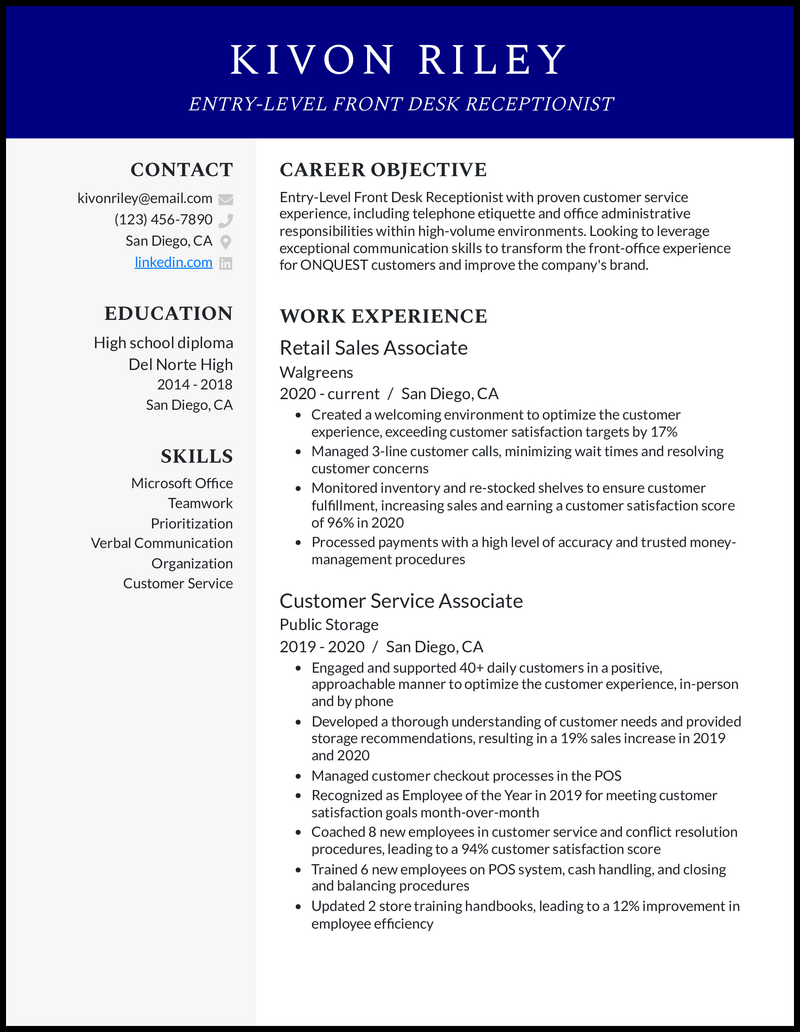
Receptionist Duties and Skills
Receptionists play a crucial role in the smooth operation of businesses and organisations. They are often the first point of contact for visitors and clients, making their role vital in creating a positive impression. Let’s explore the key duties and skills required for a receptionist to excel in their role.
Duties of a Receptionist
Greeting visitors: Receptionists welcome guests with a friendly attitude, making them feel valued and comfortable.
Answering calls: Handling phone calls efficiently and directing them to the appropriate person or department is an essential part of a receptionist’s duties.
Managing appointments: Receptionists schedule appointments, meetings, and reservations, ensuring that the calendar is organised effectively.
Handling correspondence: Receiving and distributing mail, emails, and faxes are common tasks that receptionists manage on a daily basis.
Providing information: Receptionists offer information about the organisation, its services, and general inquiries from visitors.
Skills Required
Communication skills: Excellent verbal and written communication skills are essential for receptionists to interact effectively with visitors and colleagues.
Organisational skills: Managing multiple tasks simultaneously requires strong organisational abilities to prioritise work efficiently.
Customer service skills: Providing exceptional customer service by being courteous, patient, and helpful is key to creating a positive experience for visitors.
Technology proficiency: Receptionists often use computer systems, phone systems, and office equipment; therefore, being tech-savvy is beneficial.
Problem-solving skills: Quick thinking and resourcefulness enable receptionists to handle unexpected situations with ease and professionalism.
In Conclusion
A successful receptionist embodies a combination of these duties and skills to ensure that they fulfil their role effectively. By being organised, communicative, customer-focused, tech-savvy, and adaptable, receptionists contribute significantly to the overall efficiency and reputation of an organisation.
Key Advantages of Receptionist Roles: Enhancing Communication, Organisation, and Client Experience
- Receptionists create a positive first impression for visitors and clients.
- They effectively manage incoming calls, ensuring smooth communication within the organisation.
- Receptionists help maintain an organised schedule by managing appointments and meetings.
- They handle correspondence efficiently, ensuring timely distribution of mail and emails.
- Receptionists provide valuable information to visitors, enhancing their overall experience.
- Their strong communication and customer service skills contribute to a welcoming and professional environment.
Challenges Faced by Receptionists: Stress, Repetition, and Limited Career Growth
- High stress levels
- Repetitive tasks
- Handling difficult situations
- Long hours
- Limited career progression
- Emotional demands
Receptionists create a positive first impression for visitors and clients.
Receptionists play a vital role in setting the tone for visitors and clients by creating a positive first impression. Their welcoming attitude, friendly demeanour, and professional conduct help establish a sense of warmth and professionalism from the moment individuals step through the door. By greeting guests with courtesy and making them feel valued, receptionists contribute significantly to shaping a favourable initial experience that can set the stage for successful interactions and relationships within the organisation.
They effectively manage incoming calls, ensuring smooth communication within the organisation.
Receptionists demonstrate their proficiency in managing incoming calls by ensuring seamless communication flow within the organisation. By efficiently handling phone calls, receptionists play a crucial role in connecting callers with the appropriate individuals or departments, thus facilitating effective internal communication. Their ability to manage incoming calls promptly and professionally contributes to the overall efficiency and productivity of the organisation, showcasing their essential role in maintaining smooth communication channels.
Receptionists help maintain an organised schedule by managing appointments and meetings.
Receptionists play a crucial role in maintaining an organised schedule within an organisation by efficiently managing appointments and meetings. By overseeing the calendar and coordinating schedules, receptionists ensure that all appointments are scheduled appropriately, avoiding conflicts and ensuring smooth operations. Their attention to detail and time management skills contribute significantly to the efficient running of the business, allowing for seamless coordination of meetings and events.
They handle correspondence efficiently, ensuring timely distribution of mail and emails.
Handling correspondence efficiently is a crucial aspect of receptionist duties and skills. Receptionists play a vital role in ensuring the timely distribution of mail and emails, which is essential for maintaining effective communication within an organisation. By managing incoming and outgoing correspondence promptly and accurately, receptionists contribute to the smooth flow of information and help maintain a professional image for the business.
Receptionists provide valuable information to visitors, enhancing their overall experience.
Receptionists play a vital role in providing valuable information to visitors, enhancing their overall experience. By offering guidance, answering inquiries, and directing individuals to the appropriate resources, receptionists ensure that visitors feel welcomed and informed from the moment they arrive. This proactive approach not only helps visitors navigate the premises more efficiently but also contributes to a positive and professional image of the organisation. Effective communication and a helpful attitude are key attributes that enable receptionists to excel in providing valuable information that enriches the visitor’s interaction with the business.
Their strong communication and customer service skills contribute to a welcoming and professional environment.
Strong communication and customer service skills possessed by receptionists play a pivotal role in creating a welcoming and professional environment. By effectively engaging with visitors and clients, receptionists not only make individuals feel valued and respected but also uphold the reputation of the organisation. Their ability to communicate clearly, listen attentively, and respond promptly ensures that all interactions are conducted in a courteous and efficient manner, ultimately enhancing the overall experience for everyone who enters the premises.
High stress levels
One significant con of receptionist duties and skills is the high stress levels that can arise from managing a constant influx of calls, visitors, and tasks. The demanding nature of the role, coupled with the need to maintain professionalism and efficiency at all times, can result in heightened stress levels for receptionists. Juggling multiple responsibilities while ensuring a seamless experience for all who interact with them can be challenging and overwhelming, potentially impacting the well-being and performance of receptionists in their role.
Repetitive tasks
Performing repetitive tasks as part of receptionist duties, such as answering calls and greeting visitors on a daily basis, can lead to monotony over time. The routine nature of these responsibilities may result in decreased motivation and engagement for some receptionists. To combat this challenge, it is essential for receptionists to find ways to inject variety into their tasks, seek opportunities for professional development, and maintain a positive attitude towards their role to ensure continued effectiveness and job satisfaction.
Handling difficult situations
Handling difficult situations is a significant challenge that receptionists face as part of their duties. Dealing with disgruntled visitors or navigating through tense circumstances demands a high level of patience and exceptional problem-solving skills. Receptionists must remain calm, empathetic, and composed while finding effective solutions to diffuse tensions and resolve conflicts swiftly. Mastering the art of handling difficult situations is crucial for maintaining professionalism and upholding a positive image of the organisation they represent.
Long hours
Working as a receptionist may present challenges related to long hours or irregular shifts, potentially affecting the balance between work and personal life. The demanding nature of some receptionist roles can require flexibility in scheduling and a willingness to accommodate varying work hours. Striking a healthy equilibrium between professional responsibilities and personal well-being becomes essential for receptionists facing extended work hours, highlighting the importance of self-care and time management in managing this aspect of the role.
Limited career progression
Limited career progression is a notable con associated with receptionist duties and skills. While receptionists play a vital role in the daily operations of an organisation, the position may offer limited opportunities for advancement within the company. Due to the nature of the role focusing on front-line tasks and administrative responsibilities, career growth beyond the receptionist position may be constrained. This limitation can be frustrating for ambitious individuals seeking to progress in their careers and take on more challenging roles within the organisation. As a result, receptionists may need to explore alternative paths or seek opportunities outside the current workplace to advance their professional development.
Emotional demands
Emotional demands present a significant challenge in receptionist roles, requiring individuals to navigate various emotions while maintaining professionalism. Handling interactions with upset or demanding individuals can be emotionally taxing, as receptionists must manage their own feelings while addressing the needs and concerns of others. The ability to remain composed, empathetic, and responsive in such situations is crucial for providing excellent customer service and upholding the reputation of the organisation. Balancing emotional demands alongside other duties showcases the resilience and emotional intelligence required of receptionists in effectively managing diverse interpersonal scenarios.