
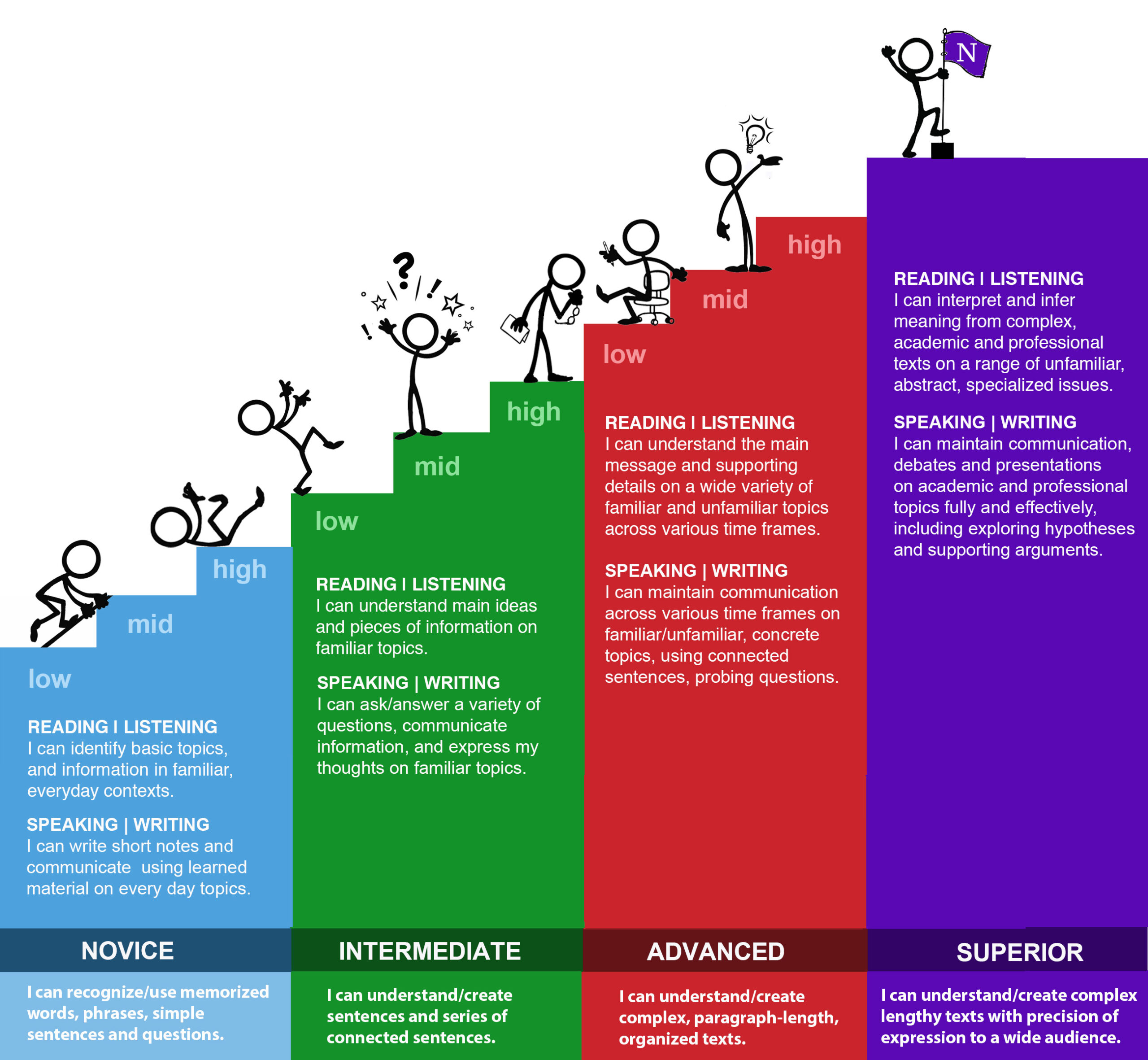
The Importance of Understanding Language Skills Levels
Language skills levels play a crucial role in communication and comprehension. Understanding the different levels of language proficiency can help individuals assess their own abilities, set goals for improvement, and navigate various learning opportunities effectively.
Common Language Skills Levels
There are generally four main language skills levels that are commonly used to categorise proficiency:
- Beginner: Individuals at this level have basic vocabulary and can understand and produce simple sentences.
- Intermediate: Intermediate speakers can handle more complex conversations, express opinions, and understand a wider range of topics.
- Advanced: Advanced speakers have a strong command of the language, can engage in discussions on various subjects, and express themselves fluently.
- Fluent/Native: Fluent or native speakers have near-native proficiency, with the ability to communicate effectively in all situations and understand subtle nuances of the language.
Assessing Your Language Skills
To determine your language skills level, you can take language assessments such as proficiency tests or use self-assessment tools. These evaluations can help you identify your strengths and weaknesses, set realistic goals for improvement, and track your progress over time.
Benefits of Improving Language Skills
Enhancing your language skills can open up a world of opportunities. Whether it’s for personal growth, career advancement, travel experiences, or cultural enrichment, improving your proficiency in a language can lead to increased confidence, better communication with others, and a deeper understanding of different cultures.
Tips for Advancing Your Language Skills
If you’re looking to advance your language skills levels, consider the following tips:
- Practice Regularly: Consistent practice is key to improving your proficiency. Set aside time each day to engage with the language through reading, listening, speaking, and writing.
- Immerse Yourself: Immerse yourself in the language by watching films, listening to music, reading books or articles in that language. This exposure helps you become more familiar with the nuances of the language.
- Seek Feedback: Ask for feedback from native speakers or teachers to identify areas for improvement. Constructive criticism can help you refine your skills and address any weaknesses.
In conclusion,
language skills levels are an essential aspect of effective communication and personal development. By understanding where you stand in terms of proficiency,
setting goals for improvement,
and actively working towards enhancing your abilities,
you can unlock new opportunities
and enrich your overall linguistic experience.
Whether you’re a beginner embarking on a new linguistic journey
or an advanced learner striving for fluency,
embracing continuous learning
and practice is key to mastering any language.
Keep challenging yourself,
exploring new ways to engage with the language,
and celebrating every milestone along the way.
Your linguistic journey awaits!
.
The Benefits of Understanding and Advancing Language Skills Levels
- Language skills levels provide a clear framework for assessing proficiency.
- Understanding language skills levels helps individuals set achievable learning goals.
- Proficiency levels guide language learners in selecting appropriate learning materials and courses.
- Language skills levels can be used as a benchmark for measuring progress and improvement.
- Knowing your language skills level enhances self-awareness and motivates continuous learning.
- Employers value candidates with strong language skills at higher proficiency levels.
- Higher language skills levels open up opportunities for international travel, work, and study.
- Improving language skills levels can boost confidence in communication and social interactions.
Challenges of Relying on Language Skills Levels: Subjectivity, Fixed Mindsets, Overlooked Individuality, and Unnecessary Comparisons
- Language skills levels can be subjective and may vary depending on the assessment method used.
- Focusing too much on language skills levels may lead to a fixed mindset, inhibiting creativity and experimentation with the language.
- Strict adherence to predefined language skills levels may overlook individual progress and unique learning styles.
- Comparing oneself to others based on language skills levels can create unnecessary pressure and hinder motivation for improvement.
Language skills levels provide a clear framework for assessing proficiency.
Language skills levels offer a valuable framework for evaluating proficiency in a structured and transparent manner. By categorising language abilities into different levels such as beginner, intermediate, advanced, and fluent/native, individuals can easily assess their current proficiency level and set achievable goals for improvement. This clear framework not only helps learners track their progress but also provides educators and employers with a standardised way to understand and measure language skills, facilitating effective communication and collaboration in various contexts.
Understanding language skills levels helps individuals set achievable learning goals.
Understanding language skills levels is beneficial as it enables individuals to set achievable learning goals. By accurately assessing their current proficiency level, individuals can identify areas for improvement and establish realistic milestones to work towards. This targeted approach not only provides a clear roadmap for language learning but also helps individuals stay motivated and track their progress effectively. Setting achievable learning goals based on language skills levels ensures that individuals can measure their success, celebrate milestones, and continue to advance their proficiency with confidence and purpose.
Proficiency levels guide language learners in selecting appropriate learning materials and courses.
Proficiency levels serve as a valuable guide for language learners in selecting suitable learning materials and courses. By understanding their current proficiency level, learners can make informed decisions on the complexity and depth of resources that align with their abilities. This ensures that they are neither overwhelmed by advanced content nor held back by materials that are too basic for their skill level. Choosing the right learning materials and courses based on proficiency levels enhances the learning experience, promotes steady progress, and ultimately leads to more effective language acquisition.
Language skills levels can be used as a benchmark for measuring progress and improvement.
Language skills levels serve as a valuable benchmark for measuring progress and improvement in one’s linguistic abilities. By assessing oneself against established proficiency levels, individuals can track their development over time, set achievable goals, and identify areas that require further attention. This structured approach not only provides a clear indication of how far one has come in their language learning journey but also offers motivation to continue advancing towards higher levels of proficiency. Ultimately, using language skills levels as a measure of progress enables individuals to gauge their growth accurately and tailor their learning strategies accordingly.
Knowing your language skills level enhances self-awareness and motivates continuous learning.
Understanding your language skills level enhances self-awareness and serves as a motivating factor for ongoing learning. By accurately assessing where you stand in terms of proficiency, you gain a clearer understanding of your strengths and areas for improvement. This self-awareness not only helps you set realistic goals but also fuels your motivation to continuously enhance your language abilities. Knowing your language skills level empowers you to track your progress, celebrate achievements, and stay committed to lifelong learning, fostering a sense of accomplishment and personal growth along the way.
Employers value candidates with strong language skills at higher proficiency levels.
Employers highly value candidates who possess strong language skills at higher proficiency levels. Individuals who can communicate effectively, both verbally and in writing, demonstrate a greater ability to engage with colleagues, clients, and stakeholders across diverse settings. Advanced language skills not only enhance interpersonal interactions but also showcase a candidate’s attention to detail, critical thinking abilities, and cultural sensitivity. Employers recognise that employees with higher language proficiency levels can contribute significantly to the success of their organisations by facilitating clear and efficient communication, fostering collaboration, and expanding business opportunities on a global scale.
Higher language skills levels open up opportunities for international travel, work, and study.
Higher language skills levels provide individuals with a gateway to a multitude of opportunities for international travel, work, and study. Proficiency in a language allows individuals to immerse themselves in different cultures, communicate effectively with locals, and navigate unfamiliar environments with ease. Whether it’s securing a job in a foreign country, studying at prestigious universities abroad, or simply exploring new destinations without language barriers, elevated language skills levels can truly broaden horizons and enrich experiences on a global scale.
Improving language skills levels can boost confidence in communication and social interactions.
Improving language skills levels can significantly boost confidence in communication and social interactions. As individuals enhance their proficiency in a language, they feel more equipped to express themselves clearly, engage in meaningful conversations, and connect with others effectively. This increased confidence not only enhances one’s ability to convey thoughts and ideas but also fosters stronger relationships and a greater sense of belonging in diverse social settings. By improving language skills levels, individuals can navigate various communication scenarios with ease and approach social interactions with a newfound assurance that positively impacts their personal and professional lives.
Language skills levels can be subjective and may vary depending on the assessment method used.
One significant drawback of language skills levels is their subjectivity and potential variation based on the assessment method employed. Different evaluation tools or tests may yield varying results, leading to inconsistencies in determining an individual’s proficiency level. This subjectivity can sometimes obscure a clear understanding of a person’s true language abilities, making it challenging to establish a standardised measure of proficiency across different assessments. As a result, individuals may find it difficult to accurately gauge their skills or compare their proficiency level with others, highlighting the limitations and complexities inherent in assessing language skills levels.
Focusing too much on language skills levels may lead to a fixed mindset, inhibiting creativity and experimentation with the language.
Focusing excessively on language skills levels may inadvertently foster a fixed mindset, potentially hindering creativity and stifling experimentation with the language. When individuals become overly preoccupied with achieving specific proficiency levels, they may limit themselves to rigid learning approaches and avoid taking risks that could enhance their linguistic abilities. Embracing a more flexible mindset that encourages exploration, creativity, and trial-and-error in language learning can lead to a deeper understanding of the language and a more dynamic relationship with it. It is important to strike a balance between striving for improvement in language skills levels and allowing room for innovative expression and growth within the language-learning process.
Strict adherence to predefined language skills levels may overlook individual progress and unique learning styles.
Strict adherence to predefined language skills levels may inadvertently hinder individual progress and overlook the diverse learning styles of language learners. Each individual has a unique pace of learning and may excel in different aspects of language acquisition at varying rates. By solely focusing on rigid proficiency levels, there is a risk of neglecting the nuanced progress made by learners and failing to cater to their specific needs effectively. Embracing flexibility in assessing language skills allows for a more personalised approach that can better support learners in achieving their linguistic goals.
Comparing oneself to others based on language skills levels can create unnecessary pressure and hinder motivation for improvement.
Comparing oneself to others based on language skills levels can lead to feelings of inadequacy and self-doubt, creating unnecessary pressure that may hinder motivation for improvement. Each individual has their own unique language learning journey, with varying strengths and areas for growth. Focusing too much on comparing one’s proficiency to that of others can detract from the joy of learning and personal progress. It is important to remember that language learning is a personal endeavour, and progress should be measured against one’s own goals and achievements rather than external benchmarks. Embracing a positive mindset and celebrating small victories along the way can help maintain motivation and foster a more fulfilling language learning experience.