
The Essential Skills of an Executive Assistant
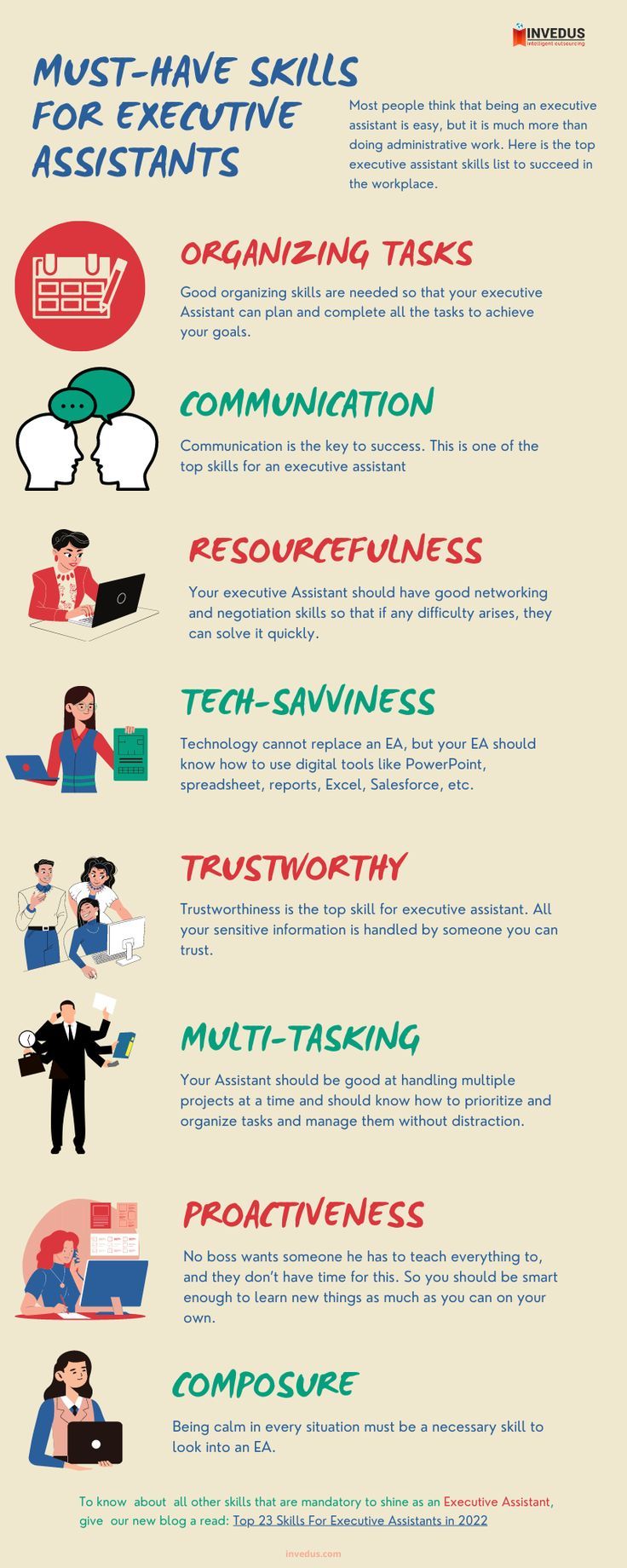
Executive assistants play a crucial role in supporting high-level executives and ensuring the smooth operation of an organisation. To excel in this demanding position, certain skills are essential. Let’s explore some of the key skills that make a successful executive assistant:
Organisational Skills
One of the most critical skills for an executive assistant is strong organisational abilities. From managing complex calendars to coordinating meetings and travel arrangements, being able to juggle multiple tasks efficiently is a must.
Communication Skills
Effective communication is key in this role. Executive assistants often act as a liaison between executives, staff, clients, and external partners. Clear and concise communication, both written and verbal, is essential for maintaining professional relationships and ensuring information flows smoothly.
Time Management
Executive assistants are often tasked with prioritising tasks and meeting tight deadlines. Excellent time management skills are crucial to ensure that important projects are completed on time while handling day-to-day responsibilities effectively.
Problem-Solving Abilities
In a fast-paced work environment, unexpected challenges can arise at any moment. Executive assistants need to be resourceful problem solvers who can think on their feet and find solutions quickly to keep operations running smoothly.
Attention to Detail
The ability to pay close attention to detail is another essential skill for executive assistants. Whether proofreading documents, preparing reports, or managing financial records, accuracy is paramount in this role to avoid costly mistakes.
Adaptability
Flexibility and adaptability are key traits for executive assistants who often face shifting priorities and evolving situations. Being able to adjust quickly to changing circumstances and remain composed under pressure is vital for success in this dynamic role.
In conclusion, the role of an executive assistant requires a diverse set of skills ranging from organisational prowess to effective communication and problem-solving abilities. By honing these essential skills, executive assistants can excel in their roles and provide invaluable support to the executives they assist.
Essential Skills for Executive Assistants: Mastering Organisation, Communication, and Confidentiality
- Excellent organisational skills are essential for managing multiple tasks and priorities efficiently.
- Strong communication skills, both written and verbal, are crucial for effective interaction with executives and other team members.
- Attention to detail is important to ensure accuracy in tasks such as scheduling meetings, preparing reports, and handling correspondence.
- Proficiency in time management is key to meeting deadlines and juggling various responsibilities effectively.
- Adaptability and flexibility are valuable traits when dealing with unexpected changes or challenges in a fast-paced work environment.
- Maintaining confidentiality and discretion is critical when handling sensitive information or privileged communications.
Excellent organisational skills are essential for managing multiple tasks and priorities efficiently.
Excellent organisational skills are paramount for an executive assistant to navigate the demands of managing multiple tasks and priorities efficiently. With the ability to create structured systems, prioritise important assignments, and maintain a clear overview of responsibilities, executive assistants can ensure that all aspects of their role are managed effectively. By honing their organisational skills, executive assistants can streamline workflows, meet deadlines consistently, and support executives in achieving their objectives with precision and reliability.
Strong communication skills, both written and verbal, are crucial for effective interaction with executives and other team members.
Effective communication is a cornerstone skill for executive assistants, encompassing both written and verbal proficiency. The ability to convey information clearly and concisely is essential for seamless interaction with executives, colleagues, and external stakeholders. Strong communication skills not only facilitate the efficient exchange of ideas and instructions but also contribute to building strong professional relationships. Whether drafting emails, preparing reports, or engaging in face-to-face discussions, mastering communication is vital for ensuring that messages are conveyed accurately and effectively in the fast-paced environment of executive support.
Attention to detail is important to ensure accuracy in tasks such as scheduling meetings, preparing reports, and handling correspondence.
Attention to detail is a crucial skill for executive assistants as it ensures accuracy in various tasks essential to their role. From meticulously scheduling meetings and coordinating appointments to preparing detailed reports and managing correspondence with precision, the ability to pay close attention to detail is paramount. By maintaining a keen eye for accuracy, executive assistants can uphold the high standards necessary for effective communication and seamless operations within an organisation.
Proficiency in time management is key to meeting deadlines and juggling various responsibilities effectively.
Proficiency in time management is a fundamental skill for executive assistants to master, as it is essential for meeting deadlines and handling multiple responsibilities efficiently. By effectively managing their time, executive assistants can prioritise tasks, allocate resources wisely, and ensure that important projects are completed on schedule. This skill enables them to navigate the fast-paced nature of their role with ease and precision, ultimately contributing to the smooth operation of the organisation they support.
Adaptability and flexibility are valuable traits when dealing with unexpected changes or challenges in a fast-paced work environment.
Adaptability and flexibility are invaluable traits for executive assistants navigating a fast-paced work environment. The ability to adjust quickly and effectively to unexpected changes or challenges ensures that tasks are completed efficiently and deadlines are met. By remaining adaptable and flexible, executive assistants can proactively respond to shifting priorities, evolving situations, and last-minute demands, ultimately contributing to the smooth operation of the organisation and the success of the executives they support.
Maintaining confidentiality and discretion is critical when handling sensitive information or privileged communications.
Maintaining confidentiality and discretion is paramount when it comes to handling sensitive information or privileged communications as an executive assistant. Upholding the trust placed in you by executives and colleagues is essential for building strong professional relationships and safeguarding the integrity of the organisation. By demonstrating a high level of discretion in all interactions and ensuring that confidential information remains secure, executive assistants can instil confidence and reliability in their role while upholding the highest standards of professionalism.