
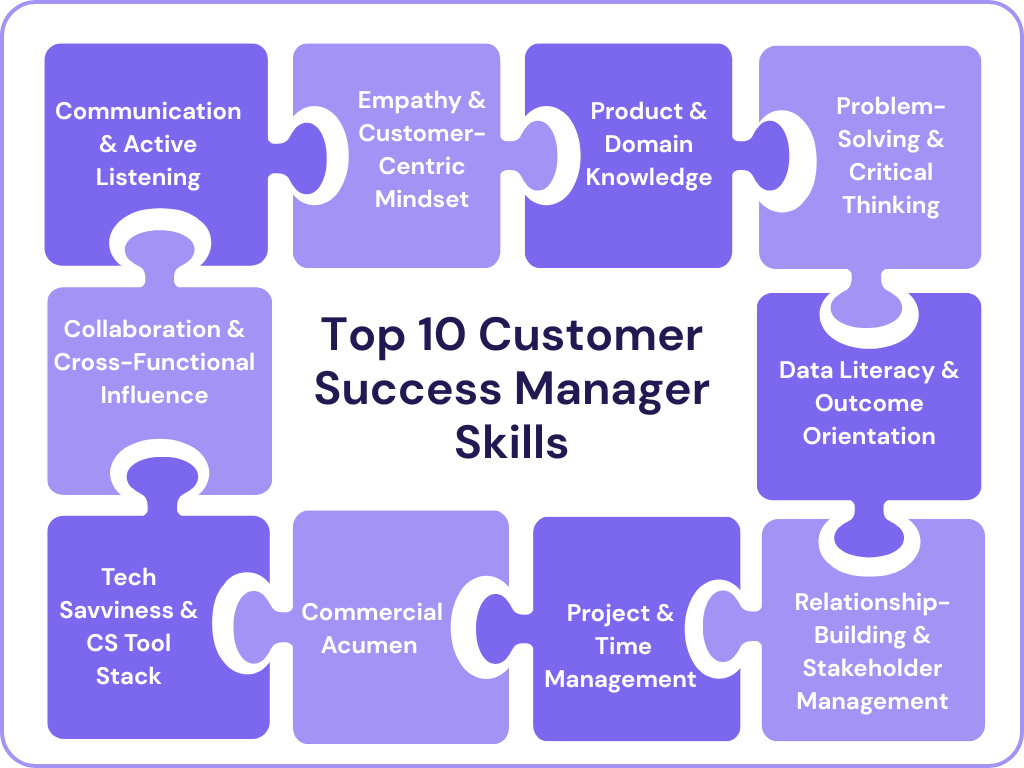
Top 10 Management Skills Every Leader Should Master
Effective management is crucial for the success of any organisation. To excel in a leadership role, one must possess a diverse set of skills that enable them to lead, inspire, and drive their team towards achieving common goals. Here are the top 10 management skills that every leader should master:
- Communication: Clear and effective communication is essential for conveying ideas, providing feedback, and building strong relationships with team members.
- Decision-Making: Good managers are adept at making timely and informed decisions, weighing risks and benefits to achieve the best outcomes for their team.
- Problem-Solving: The ability to identify, analyse, and resolve issues efficiently is a key skill that helps managers navigate challenges effectively.
- Adaptability: In a dynamic work environment, being adaptable and open to change is crucial for staying ahead of the curve and responding effectively to unforeseen circumstances.
- Strategic Thinking: Managers should possess the ability to think long-term, set clear objectives, and develop plans that align with the overall vision of the organisation.
- Team Building: Building a cohesive and high-performing team requires strong interpersonal skills, empathy, and the ability to motivate individuals towards common goals.
- Time Management: Effective managers know how to prioritise tasks, delegate responsibilities, and manage their time efficiently to maximise productivity.
- Negotiation Skills: Negotiation skills are essential for resolving conflicts, reaching agreements, and securing beneficial outcomes in various situations.
- Critical Thinking: Managers who can think critically assess situations objectively, evaluate information logically, and make sound decisions based on evidence.
- Mentoring & Coaching: Supporting the professional development of team members through mentoring and coaching fosters growth, enhances performance, and builds a culture of continuous learning within the organisation.
To excel as a leader in today’s competitive business landscape, mastering these top 10 management skills is essential. By honing these abilities over time and continuously seeking opportunities for growth and development, managers can become effective leaders who inspire their teams to achieve greatness.
Top 10 Management Skills: Key Benefits for Effective Leadership and Organisational Success
- Enhanced communication skills improve team collaboration and productivity.
- Effective decision-making leads to quicker problem resolution and better outcomes.
- Strong problem-solving abilities help managers navigate challenges efficiently.
- Adaptability enables leaders to respond effectively to changing circumstances.
- Strategic thinking fosters long-term planning and goal alignment within the organisation.
- Team building skills create a positive work environment and boost team morale.
- Improved time management maximises productivity and ensures tasks are completed on schedule.
- Negotiation skills facilitate conflict resolution and promote win-win solutions.
Challenges in Mastering the Top 10 Management Skills: Time, Balance, Aptitude, and Adaptability
- Developing and mastering all 10 management skills can be time-consuming and challenging, requiring significant effort and dedication.
- Overemphasis on certain skills may lead to neglect of others, potentially creating imbalances in a manager’s overall effectiveness.
- Not all managers may possess natural aptitude or inclination towards certain skills, making it harder for them to excel in those areas.
- Constantly evolving business environments may require additional or different management skills not covered in the top 10 list, necessitating adaptability and continuous learning.
Enhanced communication skills improve team collaboration and productivity.
Enhanced communication skills play a pivotal role in improving team collaboration and productivity within an organisation. When managers possess strong communication abilities, they can effectively convey goals, expectations, and feedback to their team members, fostering a sense of clarity and alignment. Clear communication also promotes active listening, ensuring that all team members feel heard and valued. This open exchange of information leads to smoother workflows, reduced misunderstandings, and enhanced problem-solving capabilities among team members. Ultimately, a culture of effective communication cultivates stronger relationships within the team, boosts morale, and drives higher levels of productivity towards achieving shared objectives.
Effective decision-making leads to quicker problem resolution and better outcomes.
Effective decision-making is a fundamental pro of mastering the top 10 management skills. When managers are adept at making timely and informed decisions, it not only accelerates the problem-solving process but also leads to better outcomes for the team and the organisation as a whole. By weighing risks, considering various perspectives, and taking decisive action, managers can navigate challenges more efficiently, resulting in quicker problem resolution and ultimately achieving more favourable results. This ability to make sound decisions is a cornerstone of effective leadership that drives success and fosters a culture of achievement within the workplace.
Strong problem-solving abilities help managers navigate challenges efficiently.
Strong problem-solving abilities are a cornerstone of effective management, enabling managers to navigate challenges efficiently and find optimal solutions. When faced with complex issues or unexpected obstacles, managers with adept problem-solving skills can analyse the situation, identify root causes, and devise strategic plans to overcome hurdles effectively. By honing their problem-solving abilities, managers not only enhance their decision-making process but also inspire confidence in their team members and stakeholders, ultimately contributing to the overall success of the organisation.
Adaptability enables leaders to respond effectively to changing circumstances.
Adaptability is a crucial skill that empowers leaders to navigate and respond effectively to evolving circumstances in the dynamic world of business. Leaders who are adaptable can quickly assess new situations, adjust their strategies, and make informed decisions to steer their teams towards success amidst uncertainty and change. By embracing adaptability, leaders demonstrate resilience, creativity, and a willingness to embrace challenges as opportunities for growth and innovation. This ability to pivot and thrive in changing environments sets exceptional leaders apart, enabling them to lead their teams through uncertainty with confidence and agility.
Strategic thinking fosters long-term planning and goal alignment within the organisation.
The pro of strategic thinking as one of the top 10 management skills lies in its ability to cultivate long-term planning and ensure alignment of goals within the organisation. By engaging in strategic thinking, managers can envision the future direction of the company, set clear objectives, and develop cohesive plans that steer the team towards shared goals. This foresight not only enhances organisational efficiency but also enables proactive decision-making that is in line with the overall vision of the company, ultimately leading to sustainable growth and success.
Team building skills create a positive work environment and boost team morale.
Effective team building skills play a pivotal role in fostering a positive work environment and uplifting team morale within an organisation. Managers who excel in this area demonstrate the ability to cultivate strong interpersonal relationships, encourage collaboration, and inspire a sense of unity among team members. By prioritising team building, leaders can create a supportive and inclusive atmosphere where individuals feel valued, motivated, and empowered to contribute their best efforts towards common goals. This not only enhances productivity and efficiency but also cultivates a sense of camaraderie and mutual respect among team members, ultimately leading to a more harmonious and successful work environment.
Improved time management maximises productivity and ensures tasks are completed on schedule.
Enhancing time management skills is a crucial pro of mastering the top 10 management skills. By effectively managing time, managers can optimise productivity within their teams, ensuring that tasks are completed efficiently and on schedule. Prioritising tasks, setting realistic deadlines, and delegating responsibilities appropriately enable managers to streamline workflow processes and avoid delays. Improved time management not only boosts overall productivity but also fosters a culture of accountability and efficiency within the team, ultimately contributing to the successful accomplishment of organisational goals.
Negotiation skills facilitate conflict resolution and promote win-win solutions.
Negotiation skills play a vital role in facilitating conflict resolution and fostering win-win solutions in various settings. Effective negotiation enables managers to navigate disagreements and reach mutually beneficial agreements that satisfy the needs and interests of all parties involved. By employing active listening, empathy, and creative problem-solving techniques, managers can find common ground, build trust, and cultivate positive relationships with stakeholders. Ultimately, the ability to negotiate skillfully not only resolves conflicts amicably but also paves the way for collaborative outcomes that drive organisational success and sustainable growth.
Developing and mastering all 10 management skills can be time-consuming and challenging, requiring significant effort and dedication.
Developing and mastering all 10 management skills can be a daunting challenge for aspiring leaders. The process is undeniably time-consuming and demanding, necessitating a substantial investment of effort and dedication. Juggling the acquisition of various competencies, from effective communication to strategic thinking, can be overwhelming for individuals striving to excel in their managerial roles. However, acknowledging the commitment and perseverance required to enhance these skills is the first step towards becoming a proficient and successful leader in any professional setting.
Overemphasis on certain skills may lead to neglect of others, potentially creating imbalances in a manager’s overall effectiveness.
An important con of focusing solely on the top 10 management skills is that overemphasising certain abilities may inadvertently result in the neglect of others. This imbalance could lead to gaps in a manager’s overall skill set, impacting their effectiveness in various aspects of leadership. While mastering key skills is essential, it is equally crucial for managers to maintain a well-rounded approach to skill development to ensure they can navigate the complexities of leadership successfully.
Not all managers may possess natural aptitude or inclination towards certain skills, making it harder for them to excel in those areas.
Not all managers may possess a natural aptitude or inclination towards certain skills, which can present a significant challenge in their efforts to excel in those areas. While some individuals may find communication, decision-making, or strategic thinking intuitive and effortless, others may struggle to develop these skills to the same level of proficiency. This disparity in inherent abilities can create obstacles for managers seeking to enhance their management capabilities, requiring them to invest additional time and effort in honing these essential skills through training, practice, and self-improvement initiatives.
Constantly evolving business environments may require additional or different management skills not covered in the top 10 list, necessitating adaptability and continuous learning.
In the fast-paced and ever-changing landscape of modern business, one significant drawback of relying solely on the top 10 management skills is that constantly evolving environments may demand additional or different skill sets that are not encompassed in the list. This reality underscores the importance of adaptability and a commitment to continuous learning for managers to effectively navigate unforeseen challenges and stay ahead of industry trends. By embracing change and being open to acquiring new skills as needed, leaders can position themselves to thrive in dynamic business settings and drive sustainable success for their teams and organisations.