
The Art of Delegation: Mastering Essential Leadership Skills
Delegation is a crucial skill that separates effective leaders from mediocre managers. The ability to delegate tasks efficiently not only lightens the workload but also empowers team members, fosters growth, and improves overall productivity.
Why Delegation Matters
Delegating tasks allows leaders to focus on high-priority responsibilities that require their expertise and strategic thinking. It also gives team members the opportunity to develop new skills, take ownership of their work, and feel valued within the organisation.
Key Principles of Effective Delegation
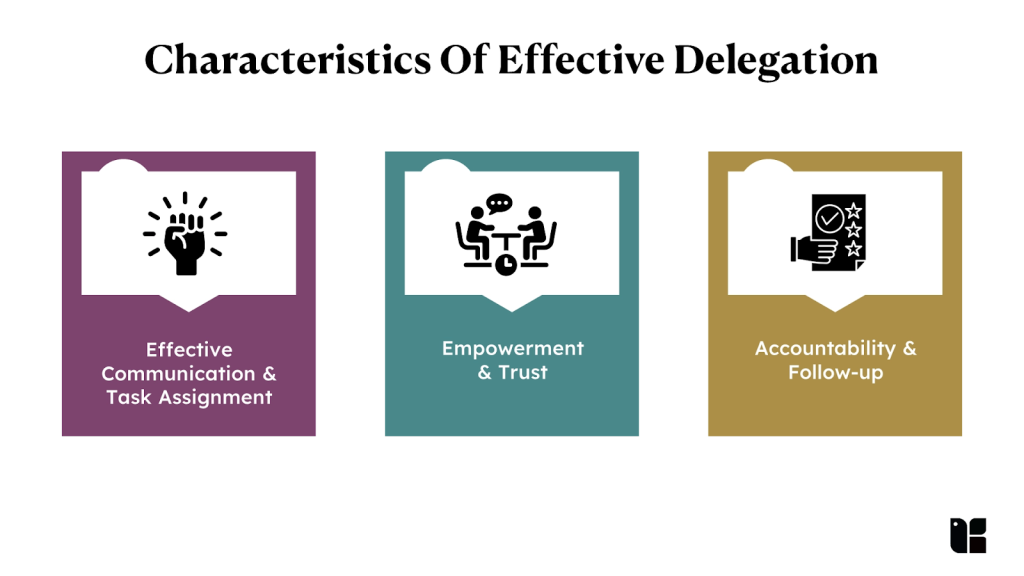
- Clear Communication: Clearly communicate expectations, deadlines, and desired outcomes when delegating tasks to avoid misunderstandings.
- Match Tasks to Skills: Assign tasks based on team members’ strengths and development areas to maximise efficiency and effectiveness.
- Provide Support: Offer guidance, resources, and support to ensure that delegated tasks are completed successfully.
- Trust Your Team: Trust your team members to deliver results and avoid micromanaging, which can hinder productivity and morale.
- Feedback and Recognition: Provide constructive feedback on performance and recognise achievements to motivate team members and encourage continuous improvement.
The Benefits of Effective Delegation
Effective delegation leads to increased productivity, improved teamwork, enhanced employee engagement, better time management, and ultimately, organisational success. By mastering delegation skills, leaders can create a culture of trust, collaboration, and accountability within their teams.
In conclusion, delegation is not just about assigning tasks; it is about empowering individuals, fostering growth, and achieving collective goals. By honing delegation skills, leaders can elevate their leadership capabilities and drive success in today’s dynamic work environment.
Mastering Delegation: Essential Skills and Strategies for Effective Leadership
- 1. What is delegation and why is it important in a professional setting?
- 2. How can I effectively delegate tasks to my team members?
- 3. What are the key benefits of mastering delegation skills as a leader?
- 4. How do I determine which tasks to delegate and to whom?
- 5. What are common challenges faced when delegating tasks and how can they be overcome?
- 6. How can feedback and communication play a role in successful delegation?
1. What is delegation and why is it important in a professional setting?
Delegation is the act of assigning tasks and responsibilities to others while retaining accountability for the outcomes. In a professional setting, delegation is vital for several reasons. Firstly, it allows leaders to focus on strategic decision-making and high-priority tasks that require their expertise, thus improving overall productivity. Secondly, delegation empowers team members by providing opportunities for skill development, fostering a sense of ownership, and boosting morale. Additionally, effective delegation promotes collaboration, enhances teamwork, and builds trust among team members and leaders. Ultimately, delegation is essential in a professional setting as it not only distributes workload efficiently but also cultivates a culture of growth, empowerment, and success within an organisation.
2. How can I effectively delegate tasks to my team members?
When it comes to effectively delegating tasks to team members, clear communication and proper planning are key. Start by clearly outlining the task requirements, expectations, deadlines, and desired outcomes to ensure that everyone is on the same page. Match tasks to team members’ skills and strengths, taking into account their development areas for growth opportunities. Provide necessary support, resources, and guidance throughout the process while also trusting your team to deliver results autonomously. Remember to offer constructive feedback and recognition for a job well done to motivate and encourage continuous improvement. By following these principles of effective delegation, you can empower your team members, enhance productivity, and foster a culture of collaboration and success within your organisation.
3. What are the key benefits of mastering delegation skills as a leader?
Mastering delegation skills as a leader offers a multitude of key benefits that are instrumental in driving organisational success. By effectively delegating tasks, leaders can focus on strategic initiatives, decision-making, and high-priority responsibilities, thereby maximising their productivity and impact. Furthermore, delegation empowers team members to take ownership of their work, develop new skills, and contribute meaningfully to the team’s goals. This fosters a culture of trust, collaboration, and accountability within the team, leading to improved morale, enhanced teamwork, and ultimately increased efficiency and productivity. Overall, mastering delegation skills as a leader not only lightens the workload but also cultivates a more engaged and empowered workforce that is better equipped to achieve collective success.
4. How do I determine which tasks to delegate and to whom?
When considering which tasks to delegate and to whom, it is essential to assess the complexity, urgency, and skill requirements of each task. Identify tasks that align with team members’ strengths, interests, and development goals to maximise efficiency and effectiveness. Prioritise tasks that are time-consuming but do not necessarily require your specific expertise. By delegating responsibilities strategically based on individual capabilities and workload capacity, you can empower team members, promote skill development, and ensure successful task completion within the organisation.
5. What are common challenges faced when delegating tasks and how can they be overcome?
When delegating tasks, leaders often encounter common challenges such as difficulty in letting go of control, concerns about the quality of work, communication barriers, mismatched task assignments, and lack of trust in team members’ abilities. These challenges can be overcome through effective communication to clarify expectations, providing necessary training and resources to support team members, building trust through delegation of progressively challenging tasks, and offering constructive feedback to encourage growth and development. By addressing these challenges proactively and fostering a culture of open communication and collaboration, leaders can enhance their delegation skills and empower their teams for success.
6. How can feedback and communication play a role in successful delegation?
Feedback and communication play a crucial role in successful delegation by providing clarity, alignment, and support throughout the process. Effective feedback ensures that expectations are understood, progress is monitored, and adjustments can be made if needed. Clear communication helps in setting clear objectives, discussing roles and responsibilities, and fostering open dialogue between leaders and team members. By offering constructive feedback and maintaining open lines of communication, leaders can build trust, enhance collaboration, and empower their team to perform at their best when delegated tasks.