
The Importance of Soft Skills in Communication
Communication is a fundamental aspect of our daily interactions, both in personal and professional settings. While technical skills are essential for success in many fields, the role of soft skills in effective communication should not be underestimated.
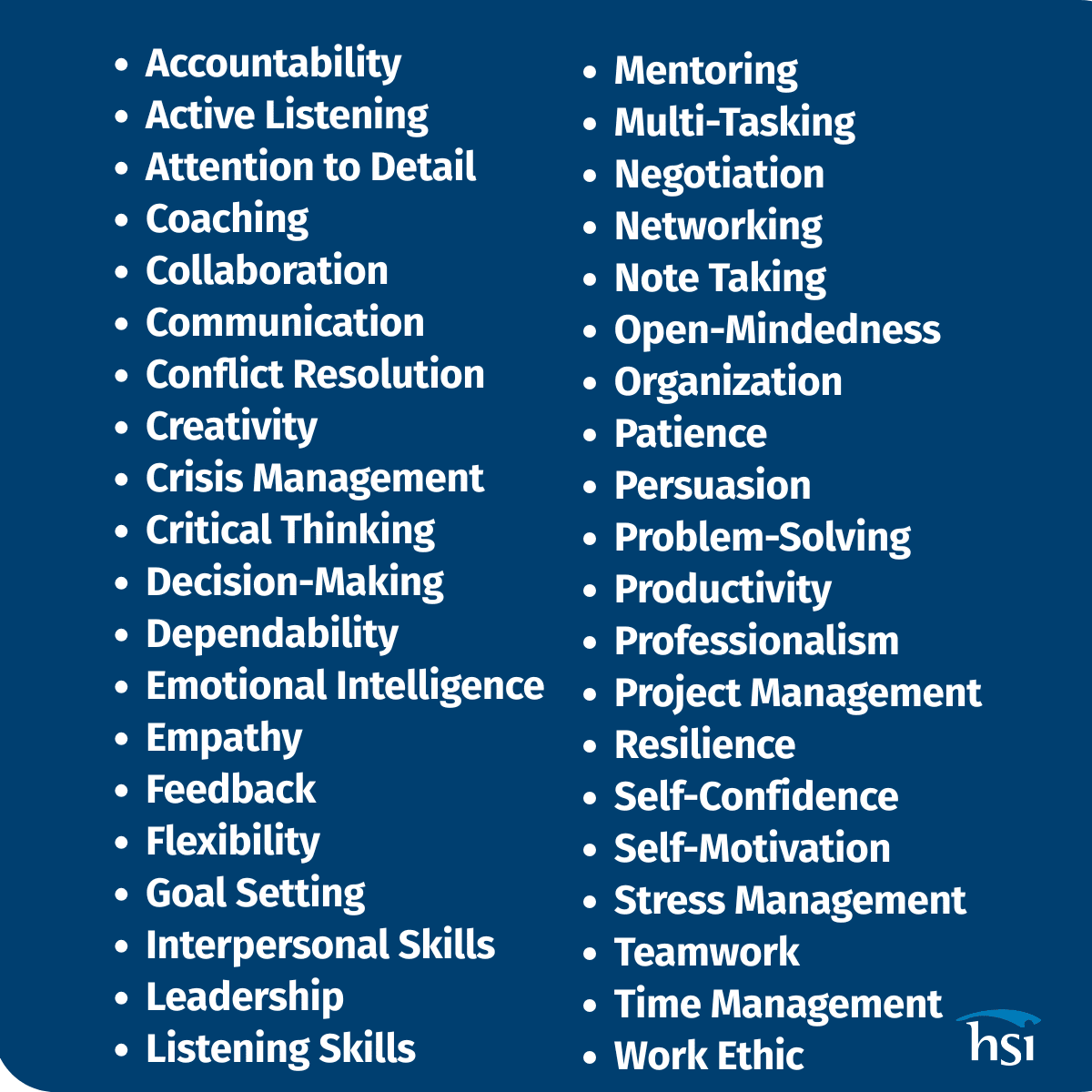
Soft skills encompass a range of attributes that enable individuals to interact harmoniously with others. When it comes to communication, these skills play a crucial role in fostering understanding, building relationships, and resolving conflicts.
Listening
One of the most important soft skills in communication is active listening. This involves not just hearing what the other person is saying but also understanding their perspective and responding appropriately. By actively listening, we show respect and empathy towards others, leading to more meaningful and productive conversations.
Empathy
Empathy is another key soft skill that enhances communication. By putting ourselves in someone else’s shoes and trying to understand their feelings and emotions, we can communicate more effectively and build stronger connections with others. Empathetic communication fosters trust and mutual respect.
Non-Verbal Communication
In addition to verbal communication, non-verbal cues such as body language, facial expressions, and tone of voice also play a significant role in conveying messages. Being aware of these cues and using them effectively can help ensure that our communication is clear and well-received.
Adaptability
Effective communicators are adaptable and flexible in their approach. They can adjust their communication style based on the needs and preferences of others, leading to better outcomes and stronger relationships. Being open to feedback and willing to make adjustments is key to successful communication.
In conclusion, while technical expertise is important in many fields, soft skills are equally essential for effective communication. By honing skills such as active listening, empathy, non-verbal communication, and adaptability, individuals can enhance their ability to connect with others, resolve conflicts constructively, and achieve success in various aspects of life.
9 Essential Tips for Enhancing Your Communication Soft Skills
- Listen actively to others without interrupting.
- Maintain good eye contact during conversations.
- Practice empathy and try to understand others’ perspectives.
- Use clear and concise language to express your thoughts.
- Be mindful of your body language and facial expressions.
- Show appreciation by giving positive feedback.
- Adapt your communication style based on the situation or audience.
- Ask open-ended questions to encourage meaningful discussions.
- Practice active listening by summarising what the other person has said.
Listen actively to others without interrupting.
Active listening is a crucial soft skill in communication that involves fully engaging with the speaker without interruptions. By listening attentively and refraining from interrupting, individuals demonstrate respect, empathy, and a genuine interest in understanding the speaker’s perspective. This approach not only fosters effective communication but also helps build trust and rapport with others, leading to more meaningful and productive interactions.
Maintain good eye contact during conversations.
Maintaining good eye contact during conversations is a crucial aspect of effective communication. It demonstrates attentiveness, respect, and interest in the person speaking. By making eye contact, you convey sincerity and engagement, which helps to build trust and rapport with others. Good eye contact also allows for better understanding of non-verbal cues and signals, enhancing the overall quality of communication. Therefore, incorporating this simple yet powerful tip can significantly improve the way you connect with others and convey your message effectively.
Practice empathy and try to understand others’ perspectives.
Practising empathy and making an effort to understand others’ perspectives is a valuable tip for enhancing soft skills in communication. By empathising with others, we demonstrate compassion and sensitivity towards their feelings and viewpoints. This not only fosters deeper connections but also promotes mutual respect and effective dialogue. Understanding different perspectives can lead to more harmonious interactions, better conflict resolution, and overall improved communication outcomes.
Use clear and concise language to express your thoughts.
When it comes to soft skills communication, a valuable tip is to use clear and concise language to express your thoughts. By articulating your ideas in a straightforward and succinct manner, you can ensure that your message is easily understood by others. Clear communication helps avoid misunderstandings and promotes effective dialogue, enhancing the overall quality of interactions. Clarity and conciseness demonstrate professionalism and respect for your audience’s time, making it easier for them to engage with and respond to your communication effectively.
Be mindful of your body language and facial expressions.
When it comes to effective communication through soft skills, it is crucial to be mindful of your body language and facial expressions. Non-verbal cues play a significant role in conveying messages and can greatly impact the way your communication is received. By maintaining open and positive body language, such as making eye contact, using appropriate gestures, and ensuring a relaxed posture, you can enhance the clarity and effectiveness of your interactions. Similarly, being aware of your facial expressions and ensuring they align with the message you are conveying can help foster understanding and build rapport with others. A conscious effort to control and utilise these non-verbal cues can significantly improve the quality of your communication interactions.
Show appreciation by giving positive feedback.
Showing appreciation by giving positive feedback is a powerful way to enhance soft skills in communication. When we acknowledge and praise others for their contributions or efforts, we not only boost their morale but also strengthen our relationships with them. Positive feedback demonstrates respect, gratitude, and empathy, creating a supportive and encouraging environment for effective communication to thrive. By incorporating this simple yet impactful tip into our interactions, we can cultivate a culture of positivity and mutual appreciation that fosters collaboration and understanding.
Adapt your communication style based on the situation or audience.
Adapting your communication style based on the situation or audience is a crucial tip for effective soft skills communication. By being mindful of the context and preferences of those you are communicating with, you can tailor your approach to ensure that your message is received clearly and positively. Whether it’s adjusting your tone, level of formality, or choice of words, being flexible in your communication style demonstrates empathy and consideration for others, ultimately leading to more successful interactions and stronger relationships.
Ask open-ended questions to encourage meaningful discussions.
To enhance communication and foster meaningful discussions, it is advisable to ask open-ended questions. By posing questions that require more than a simple “yes” or “no” answer, individuals can encourage others to share their thoughts, feelings, and experiences more freely. Open-ended questions promote deeper engagement, exploration of ideas, and the exchange of diverse perspectives, ultimately enriching conversations and strengthening interpersonal connections.
Practice active listening by summarising what the other person has said.
Practising active listening by summarising what the other person has said is a powerful technique that can significantly enhance communication. By summarising the key points or emotions expressed by the speaker, you demonstrate that you are truly engaged and interested in their perspective. This not only helps clarify any potential misunderstandings but also shows respect and empathy towards the speaker, fostering a deeper connection and more meaningful dialogue. Active listening through summarisation is a valuable soft skill that can lead to more effective communication and stronger relationships.