
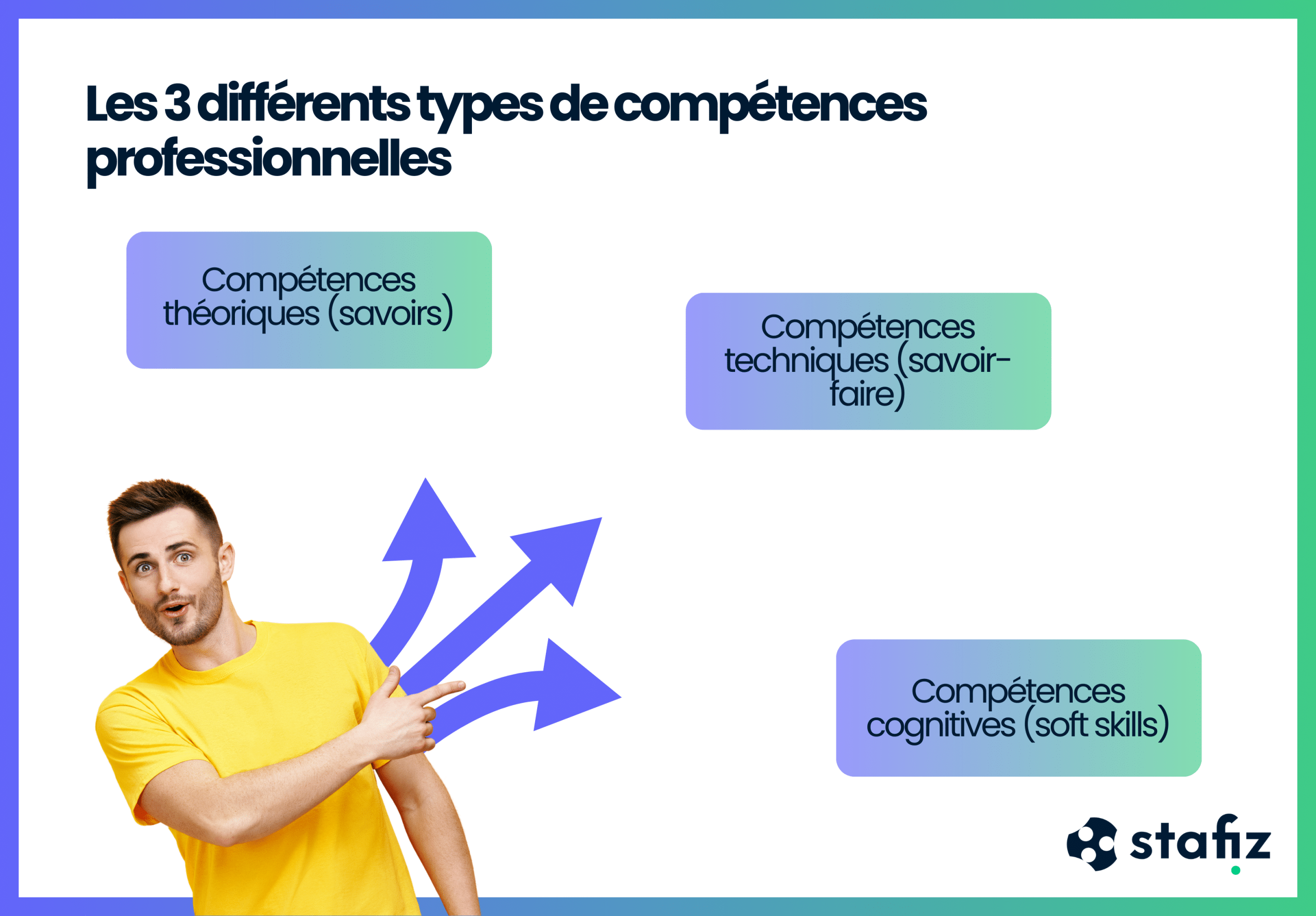
The Importance of Developing Different Types of Skills
In today’s fast-paced and competitive world, having a diverse set of skills is essential for personal growth and professional success. Different types of skills are valuable in various aspects of life, from the workplace to personal relationships. Let’s explore some key categories of skills and why developing them is beneficial.
Technical Skills
Technical skills refer to the abilities and knowledge required to perform specific tasks or use particular tools effectively. These skills are often job-specific and can include expertise in areas such as programming, data analysis, engineering, or graphic design. Developing technical skills can enhance your employability and open up new career opportunities.
Soft Skills
Soft skills are non-technical abilities that enable individuals to interact effectively with others. These skills include communication, teamwork, problem-solving, adaptability, and leadership. Soft skills are crucial for building strong relationships, resolving conflicts, and navigating social situations both in the workplace and in personal life.
Creative Skills
Creative skills involve thinking outside the box, generating new ideas, and expressing oneself through art, music, writing, or other forms of creativity. Developing creative skills can boost innovation, foster self-expression, and enhance problem-solving abilities by encouraging unconventional thinking.
Emotional Intelligence
Emotional intelligence encompasses the ability to understand and manage one’s emotions effectively while also empathising with others’ feelings. This skill set includes self-awareness, self-regulation, social awareness, and relationship management. Enhancing emotional intelligence can lead to improved communication, conflict resolution, and overall well-being.
Critical Thinking Skills
Critical thinking involves analysing information objectively, evaluating evidence logically, and making informed decisions based on reason rather than emotion. Strengthening critical thinking skills can enhance problem-solving capabilities, promote sound judgment, and foster a deeper understanding of complex issues.
In conclusion, developing a diverse range of skills is essential for personal development and success in various areas of life. By honing technical abilities, cultivating soft skills,
nurturing creativity,
fostering emotional intelligence,
and sharpening critical thinking,
individuals can become more adaptable,
resilient,
effective communicators,
innovative thinkers,
and empathetic leaders.
Invest time
and effort into expanding your skill set
–
it will pay dividends in both your personal growth
and professional advancement.
Enhance Your Abilities: 5 Essential Tips for Developing Key Skills
- Practice active listening to understand others better.
- Use a planner or calendar to schedule tasks efficiently.
- Lead by example and inspire your team through actions.
- Break down complex problems into smaller parts for easier solutions.
- Explore new ideas and perspectives to foster innovative thinking.
Practice active listening to understand others better.
Practising active listening is a valuable skill that can significantly enhance our ability to understand others better. By actively engaging with the speaker, focusing on their words, and demonstrating genuine interest through verbal and non-verbal cues, we show respect and empathy towards their thoughts and feelings. Active listening not only helps us grasp the speaker’s message accurately but also fosters stronger connections and promotes effective communication. This skill is essential in various aspects of life, from personal relationships to professional interactions, as it lays the foundation for meaningful dialogue and mutual understanding.
Use a planner or calendar to schedule tasks efficiently.
Using a planner or calendar to schedule tasks efficiently is a valuable tip for managing different types of skills effectively. By organising your responsibilities and activities in a structured manner, you can prioritise tasks, allocate time for skill development, and ensure that nothing important gets overlooked. A well-maintained planner helps you stay on track, meet deadlines, and make the most of your time, ultimately enhancing your productivity and proficiency across various skill sets.
Lead by example and inspire your team through actions.
Leading by example and inspiring your team through actions is a powerful way to demonstrate the importance of different types of skills. When you embody the skills you want your team to develop, such as communication, teamwork, and problem-solving, you set a standard for excellence that motivates others to follow suit. By showcasing these skills in your own work and interactions, you not only show their value but also provide a tangible example for your team to emulate. This approach fosters a culture of continuous learning and improvement, where everyone is encouraged to develop their skills and contribute effectively towards shared goals.
Break down complex problems into smaller parts for easier solutions.
Breaking down complex problems into smaller parts is a valuable strategy that can lead to more manageable and effective solutions. By dissecting a challenging issue into smaller, more digestible components, individuals can approach each part methodically, identify key elements, and address them systematically. This approach not only simplifies the problem-solving process but also allows for a clearer understanding of the underlying issues at play. By tackling each smaller part individually, individuals can build momentum towards resolving the larger problem while gaining insights and confidence along the way.
Explore new ideas and perspectives to foster innovative thinking.
To foster innovative thinking, it is essential to explore new ideas and perspectives. By stepping outside of familiar boundaries and embracing diverse viewpoints, individuals can stimulate creativity and generate fresh solutions to challenges. Engaging with a variety of ideas not only broadens one’s understanding but also encourages thinking beyond conventional norms, leading to innovative approaches and breakthroughs in problem-solving.