
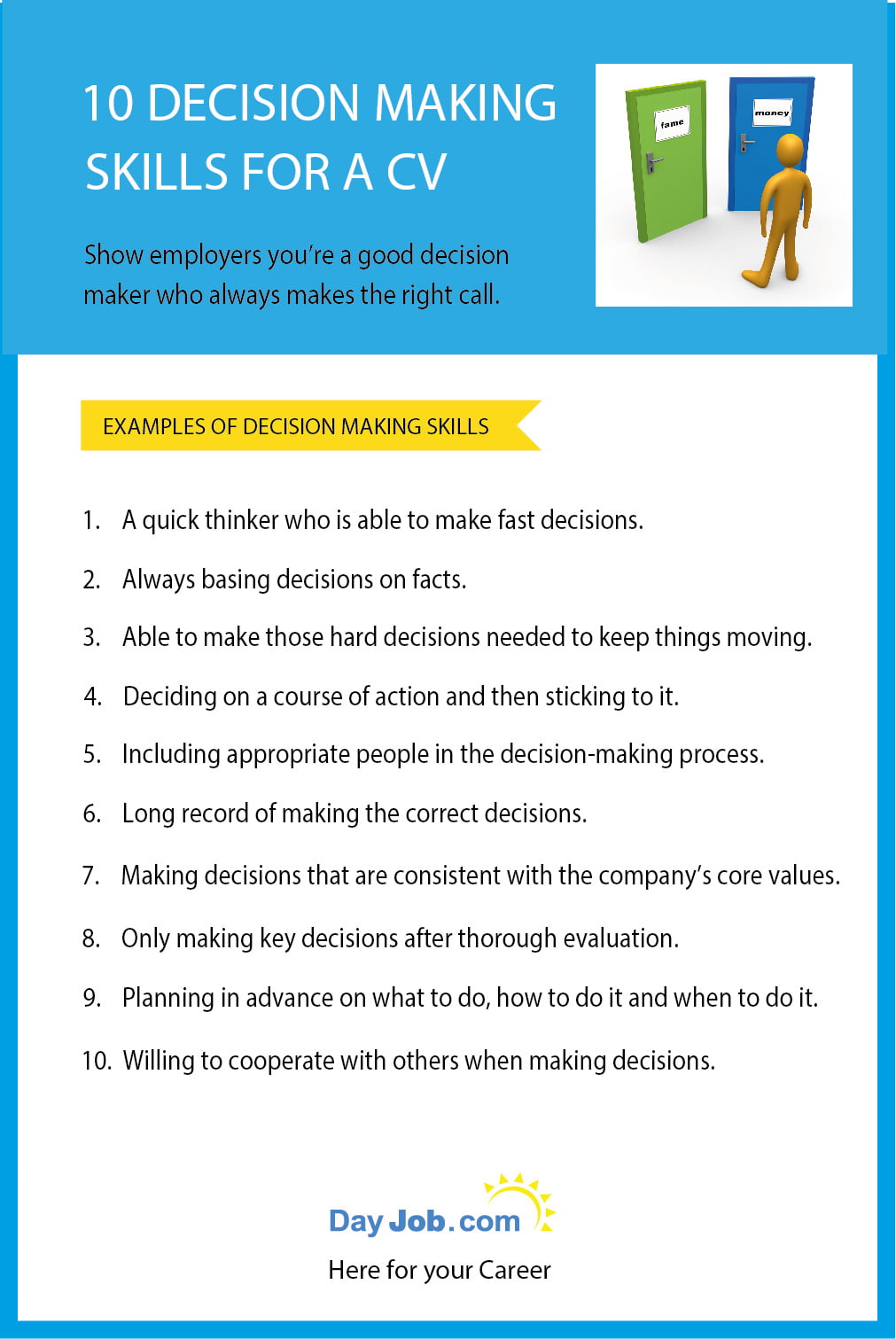
The Importance of Decision-Making Skills
Decision-making is an essential skill that we use every day, whether we are aware of it or not. From choosing what to have for breakfast to making important life-changing decisions, our ability to make sound choices impacts every aspect of our lives.
Effective decision-making involves a combination of critical thinking, problem-solving, and weighing the pros and cons of different options. It requires us to consider various factors, anticipate outcomes, and ultimately choose the best course of action.
Why Decision-Making Skills Matter
Having strong decision-making skills is crucial for personal and professional success. Individuals who can make informed decisions are more likely to achieve their goals, navigate challenges effectively, and adapt to changing circumstances.
In the workplace, good decision-makers are highly valued for their ability to assess situations quickly, identify opportunities for growth, and make strategic choices that benefit the organisation as a whole. They are also better equipped to handle pressure and uncertainty, leading to increased productivity and job satisfaction.
Developing Your Decision-Making Skills
Fortunately, decision-making skills can be honed and improved over time. Here are some tips to help you enhance your ability to make better decisions:
- Evaluate Information: Gather relevant information and consider all available options before making a decision.
- Weigh the Pros and Cons: Identify the potential benefits and drawbacks of each choice to make an informed decision.
- Seek Input: Consult with others who may offer valuable perspectives or expertise on the matter at hand.
- Trust Your Instincts: Listen to your intuition while also relying on rational analysis to guide your decision-making process.
- Learn from Mistakes: Embrace failures as learning opportunities that can help you refine your decision-making skills in the future.
In Conclusion
Cultivating strong decision-making skills is an ongoing process that requires practice, reflection, and a willingness to learn from both successes and setbacks. By developing this essential skill set, you can enhance your confidence, effectiveness, and overall quality of life.
Understanding and Enhancing Decision-Making Skills: Answers to Common Questions
- What are decision-making skills?
- Why are decision-making skills important?
- How can I improve my decision-making skills?
- What factors influence the decision-making process?
- Can decision-making skills be learned or developed?
- What are the consequences of poor decision-making?
- How do emotions affect decision making?
- Are there different types of decision-making styles?
What are decision-making skills?
Decision-making skills encompass the ability to assess situations, evaluate options, and choose the most appropriate course of action based on careful consideration of available information. These skills involve critical thinking, problem-solving, and weighing the consequences of different choices. Effective decision-making skills enable individuals to make informed and rational decisions in various aspects of their lives, from everyday choices to complex professional dilemmas. By honing decision-making skills, individuals can enhance their ability to navigate challenges, seize opportunities, and achieve their goals with confidence and clarity.
Why are decision-making skills important?
Understanding the importance of decision-making skills is crucial in navigating life’s complexities. Effective decision-making skills are essential as they empower individuals to assess situations, weigh options, and choose the best course of action. These skills not only enable individuals to make informed choices but also help them adapt to changing circumstances and achieve their goals efficiently. In personal and professional contexts, strong decision-making abilities contribute to increased productivity, problem-solving capabilities, and overall success. Ultimately, honing decision-making skills equips individuals with the tools needed to navigate challenges effectively and make impactful decisions that positively influence their lives.
How can I improve my decision-making skills?
To improve your decision-making skills, it is essential to start by evaluating information thoroughly and considering all available options before making a choice. Additionally, weighing the pros and cons of each decision, seeking input from others with valuable perspectives, trusting your instincts while also relying on rational analysis, and learning from past mistakes are all key steps in enhancing your ability to make informed and effective decisions. By practising these strategies consistently and being open to continuous learning and growth, you can strengthen your decision-making skills and become more confident in navigating various situations with clarity and purpose.
What factors influence the decision-making process?
Various factors influence the decision-making process, shaping the choices we make in different situations. External factors such as societal norms, cultural values, economic conditions, and peer influence can all play a significant role in how we approach decision-making. Internally, our emotions, past experiences, personal beliefs, and cognitive biases also impact the decisions we ultimately make. Understanding and being mindful of these diverse influences can help individuals navigate the decision-making process more effectively and make choices that align with their goals and values.
Can decision-making skills be learned or developed?
The question of whether decision-making skills can be learned or developed is a common one, and the answer is a resounding yes. Decision-making, like any other skill, can be honed and improved through practice, experience, and self-awareness. By actively engaging in situations that require decision-making, seeking feedback, and reflecting on outcomes, individuals can enhance their ability to make informed and effective choices. Through continuous learning and a willingness to adapt and grow, anyone can develop their decision-making skills and become more confident and decisive in navigating life’s challenges.
What are the consequences of poor decision-making?
Poor decision-making can have significant consequences that impact various aspects of our lives. From personal relationships to professional opportunities, making ill-informed choices can lead to missed opportunities, damaged reputations, and increased stress. In the workplace, poor decision-making can result in financial losses, decreased productivity, and strained team dynamics. On a personal level, it can lead to feelings of regret, self-doubt, and a sense of being stuck in unfavourable situations. Ultimately, the consequences of poor decision-making underscore the importance of honing our skills in this area to navigate life’s challenges with confidence and clarity.
How do emotions affect decision making?
Emotions play a significant role in the process of decision-making, influencing our choices in profound ways. When faced with a decision, our emotions can impact how we perceive information, evaluate options, and ultimately make a choice. Positive emotions such as joy or excitement may lead to more risk-taking behaviour, while negative emotions like fear or anger can cloud judgment and lead to more cautious decisions. Understanding how our emotions influence decision-making is crucial for making informed choices and developing strategies to manage and leverage our emotional responses effectively.
Are there different types of decision-making styles?
When it comes to decision-making, individuals often wonder about the existence of different styles that people may adopt. Indeed, various decision-making styles have been identified, each reflecting a unique approach to the decision-making process. Some individuals may lean towards a more analytical style, carefully weighing all available information before making a choice. Others might exhibit a more intuitive style, relying on gut feelings and instincts to guide their decisions. Additionally, some people may prefer a collaborative approach, seeking input from others and considering multiple perspectives before reaching a conclusion. Understanding these different decision-making styles can help individuals better recognise their own preferences and adapt their approach to suit the situation at hand.