
The Importance of Hard and Soft Skills in Today’s Workplace
In the dynamic landscape of the modern workplace, the distinction between hard skills and soft skills plays a crucial role in determining an individual’s success and career progression. Both types of skills are valuable assets that complement each other, contributing to a well-rounded and effective professional.
Hard Skills
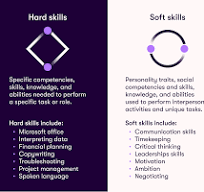
Hard skills refer to specific technical abilities and knowledge that are acquired through education, training, or experience. These skills are typically quantifiable and can be easily measured. Examples of hard skills include proficiency in programming languages, data analysis, project management, and graphic design.
Employers often seek candidates with strong hard skills relevant to the job requirements. Possessing these technical competencies not only demonstrates expertise in a particular field but also enhances one’s credibility and efficiency in performing job tasks. Continuous development of hard skills is essential to stay competitive in rapidly evolving industries.
Soft Skills
In contrast, soft skills are interpersonal attributes that enable individuals to interact effectively with others and navigate various social situations. These skills are often intangible and relate to emotional intelligence, communication, teamwork, leadership, adaptability, and problem-solving.
Soft skills are equally important as hard skills in the workplace as they contribute to building strong relationships, fostering collaboration, and promoting a positive work culture. Employees with well-developed soft skills tend to excel in roles that require effective communication with colleagues, clients, or stakeholders.
The Synergy Between Hard and Soft Skills
While hard skills are essential for performing specific tasks efficiently, soft skills play a vital role in enhancing teamwork, creativity, decision-making, and overall workplace harmony. The synergy between these two skill sets creates a balanced professional capable of adapting to diverse challenges and driving innovation.
Employers increasingly value candidates who possess a combination of both hard and soft skills as they recognise the importance of holistic capabilities in achieving organisational goals. Individuals who actively cultivate their hard and soft skill sets demonstrate versatility and resilience in an ever-changing work environment.
In Conclusion
As professionals navigate their career paths, honing both hard and soft skills is essential for personal growth and career advancement. By recognising the significance of developing a diverse skill set encompassing technical expertise alongside interpersonal capabilities, individuals can position themselves as valuable assets within their respective industries.
The Importance of Balancing Hard and Soft Skills for Career Success
- Hard skills demonstrate technical proficiency and expertise in a specific field.
- Soft skills enhance communication, teamwork, and interpersonal relationships in the workplace.
- Hard skills are quantifiable and measurable, providing clear indicators of capability.
- Soft skills contribute to effective leadership, problem-solving, and conflict resolution.
- Employers value candidates with a combination of hard and soft skills for well-rounded capabilities.
- Continuous development of hard skills ensures relevance and competitiveness in evolving industries.
- Strong soft skills foster positive work environments, employee morale, and organisational success.
Challenges in Balancing Hard and Soft Skills: Navigating Obsolescence, Subjectivity, and Adaptability
- Hard skills may become outdated quickly in fast-paced industries, requiring continuous retraining.
- Soft skills are often subjective and challenging to quantify or measure accurately.
- Overemphasis on hard skills may neglect the importance of interpersonal relationships and emotional intelligence in the workplace.
- Developing hard skills exclusively may lead to a lack of adaptability when faced with unexpected changes or challenges.
- Balancing the acquisition of hard and soft skills simultaneously can be time-consuming and require significant effort.
Hard skills demonstrate technical proficiency and expertise in a specific field.
Demonstrating technical proficiency and expertise in a specific field through hard skills is a significant advantage in today’s competitive job market. Employers value individuals who possess a strong foundation of hard skills as it showcases their ability to perform tasks with precision and efficiency. By showcasing proficiency in areas such as programming, data analysis, or project management, professionals can establish themselves as reliable and knowledgeable assets within their respective industries. Hard skills not only demonstrate competence but also provide a solid framework for continuous learning and growth in one’s career journey.
Soft skills enhance communication, teamwork, and interpersonal relationships in the workplace.
Soft skills are invaluable in the workplace as they significantly enhance communication, teamwork, and interpersonal relationships among colleagues. Employees with well-developed soft skills can effectively convey ideas, listen actively, and resolve conflicts amicably, fostering a harmonious work environment. Strong teamwork and collaboration are facilitated by individuals who possess empathy, leadership qualities, and the ability to build trust among team members. Ultimately, investing in the development of soft skills not only improves individual performance but also contributes to a cohesive and productive workplace culture where mutual respect and understanding thrive.
Hard skills are quantifiable and measurable, providing clear indicators of capability.
Hard skills, being quantifiable and measurable, offer clear indicators of an individual’s capability in a specific technical domain. Employers value hard skills as they provide tangible evidence of proficiency and expertise in areas such as programming, data analysis, or project management. The ability to quantify these skills not only aids in assessing a candidate’s suitability for a role but also enables professionals to track their own progress and development in a structured manner. This transparency in measuring hard skills enhances accountability and facilitates targeted improvement efforts, ultimately contributing to enhanced performance and productivity in the workplace.
Soft skills contribute to effective leadership, problem-solving, and conflict resolution.
Soft skills play a pivotal role in fostering effective leadership, facilitating adept problem-solving, and promoting successful conflict resolution within various professional settings. Leaders equipped with strong soft skills such as empathy, communication, and emotional intelligence can inspire and motivate their teams towards achieving common goals. Additionally, the ability to navigate complex problems with a collaborative and innovative approach is enhanced by well-developed soft skills. When conflicts arise, individuals proficient in soft skills can defuse tensions, facilitate constructive dialogue, and reach mutually beneficial resolutions, thereby fostering a harmonious work environment conducive to productivity and growth.
Employers value candidates with a combination of hard and soft skills for well-rounded capabilities.
Employers highly appreciate candidates who possess a blend of hard and soft skills as it equips them with well-rounded capabilities essential for thriving in today’s competitive workplace. While hard skills showcase technical proficiency and expertise in specific tasks, soft skills such as communication, teamwork, and adaptability are equally crucial for fostering effective collaboration, leadership, and problem-solving. By combining both sets of skills, individuals demonstrate versatility, resilience, and the ability to navigate diverse challenges with confidence and efficiency, making them valuable assets to any organisation seeking comprehensive skill sets in their workforce.
Continuous development of hard skills ensures relevance and competitiveness in evolving industries.
Continuous development of hard skills is paramount in ensuring one’s relevance and competitiveness in rapidly evolving industries. As technology advances and market demands shift, staying abreast of the latest technical competencies is essential for professionals to adapt to changing landscapes and seize new opportunities. By investing in the ongoing enhancement of hard skills, individuals not only demonstrate their commitment to professional growth but also position themselves as valuable assets capable of meeting the evolving needs of their industry. The ability to continuously develop hard skills not only sustains one’s expertise but also fosters a proactive approach towards career advancement and success in dynamic environments.
Strong soft skills foster positive work environments, employee morale, and organisational success.
Strong soft skills play a pivotal role in fostering positive work environments, boosting employee morale, and driving organisational success. Individuals with well-developed interpersonal attributes such as communication, empathy, teamwork, and leadership contribute to creating a harmonious workplace where collaboration thrives and relationships flourish. By nurturing a culture of respect, understanding, and effective communication through strong soft skills, employees feel valued, motivated, and engaged in their roles. This positive work environment not only enhances productivity and innovation but also attracts top talent and fosters long-term organisational success.
Hard skills may become outdated quickly in fast-paced industries, requiring continuous retraining.
In fast-paced industries, a notable drawback of hard skills is their tendency to become outdated rapidly, necessitating constant retraining and upskilling. Technological advancements and evolving market demands can render certain technical competencies obsolete within a short timeframe, making it challenging for professionals to maintain relevance without investing in ongoing education and skill development. This con highlights the importance of adaptability and a proactive approach to learning in order to stay competitive and thrive in dynamic work environments where change is constant.
Soft skills are often subjective and challenging to quantify or measure accurately.
Soft skills are frequently perceived as a con in comparison to hard skills due to their subjective nature, making them challenging to quantify or measure accurately. Unlike hard skills that can be easily assessed through tests or certifications, evaluating soft skills such as communication, empathy, and adaptability relies heavily on personal interpretation and situational context. This lack of concrete measurement criteria can lead to difficulties in objectively determining an individual’s proficiency in these essential interpersonal attributes, posing a significant challenge for employers seeking to evaluate candidates based on soft skill competencies.
Overemphasis on hard skills may neglect the importance of interpersonal relationships and emotional intelligence in the workplace.
An overemphasis on hard skills in the workplace can lead to a neglect of the crucial role that interpersonal relationships and emotional intelligence play in fostering a harmonious and productive work environment. While technical competencies are undeniably important for task execution, soft skills such as effective communication, empathy, and teamwork are equally vital for building strong connections with colleagues, resolving conflicts, and promoting collaboration. Ignoring the development of interpersonal skills may hinder employee engagement, hinder team dynamics, and ultimately impede organisational success by overlooking the human aspect of work interactions.
Developing hard skills exclusively may lead to a lack of adaptability when faced with unexpected changes or challenges.
Focusing solely on the development of hard skills may inadvertently result in a deficiency in adaptability when confronted with unforeseen changes or challenges. While hard skills are essential for performing specific tasks proficiently, the ability to adapt and problem-solve in dynamic situations often requires a combination of hard and soft skills. Without a strong foundation in soft skills such as flexibility, resilience, and critical thinking, individuals may struggle to navigate unfamiliar circumstances effectively. Therefore, cultivating a balance between hard and soft skills is crucial for fostering adaptability and success in an ever-evolving professional landscape.
Balancing the acquisition of hard and soft skills simultaneously can be time-consuming and require significant effort.
Balancing the acquisition of hard and soft skills simultaneously can be a challenging con in professional development, as it demands a considerable investment of time and effort. While dedicating time to enhancing technical competencies is necessary for excelling in specific roles, concurrently developing soft skills such as communication, teamwork, and emotional intelligence requires additional focus and practice. Juggling the pursuit of both skill sets can be time-consuming and may necessitate a structured approach to prioritising skill development activities effectively. Nonetheless, recognising the value of cultivating a diverse skill set encompassing both hard and soft skills can lead to long-term career success and personal growth in the ever-evolving workplace landscape.